
What Does a Landscape Designer Actually Do in Grayslake, IL?
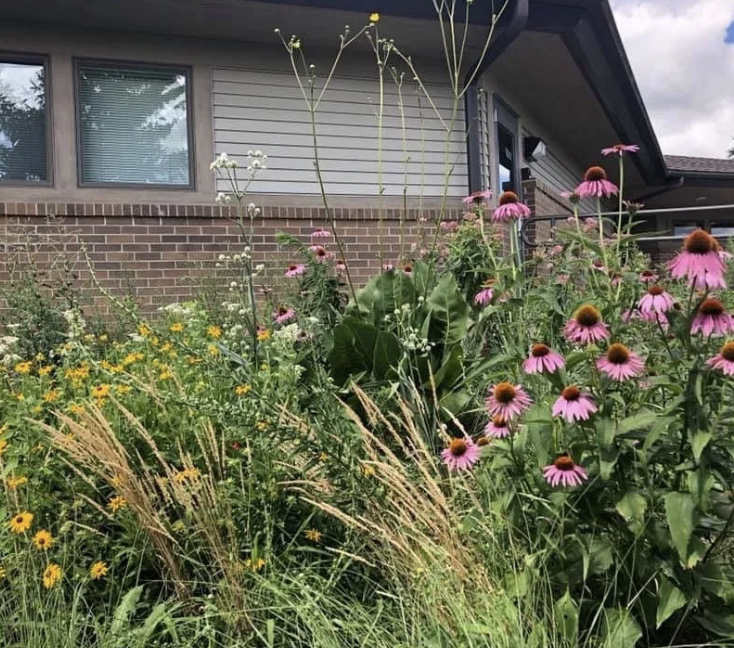
What does a landscape designer actually do? In plain terms, they turn the yard you have into a plan you can build. That means walking the property with you, listening to how you use it, and drawing a to-scale plan that shows every bed, plant, path, patio and light. A good plan also comes with a cost estimate, so you know what the install will take before anyone digs.
A lot of homeowners picture a designer as someone who picks pretty flowers. That’s a small piece of it. Most of the job is solving problems.
Where does the water go when it rains? Which corner bakes in the sun all afternoon? Where will people actually walk? The plants come after those questions get answered. Here is what that work looks like, step by step, the way we do it at Eubanks Environmental.
TLDR:
- A landscape designer starts by walking your yard and asking how you want to use it.
- They study sun, shade, soil, slopes and where the rain runs before choosing a single plant.
- You get a to-scale plan, drawn on the computer in full color, that shows the whole yard.
- The plan lays out hardscape like patios, walkways, retaining walls, lighting and water features.
- A detailed estimate lists the quantities of each plant and material, so the install has no guesswork.
- You can build the plan all at once or in phases over a few seasons.
The First Visit: What a Landscape Designer Looks For
Every project starts with a walk around the property. Our first consultation is free, and it’s mostly listening. We want to know what bugs you about the yard now and what you wish it did.
Some people want a place to sit out at night. Some want less lawn to mow. Some just want the front of the house to stop looking bare.
While we walk, we’re also reading the site. A designer looks at things most people walk past every day without noticing:
- **Sun and shade.** A bed on the north side of the house and a bed by the driveway need very different plants.
- **Soil.** Heavy clay is common around here. It holds water in spring and cracks in August, and it decides what will thrive.
- **Water.** We look for low spots, soggy corners, and where the downspouts dump.
- **Slopes.** A slope can be a problem or a chance for a retaining wall or a terraced bed.
- **What you already love.** If you have a favorite tree or a peony your grandmother planted, we design around it, or we move it to a better spot.
None of this takes long, but skipping it is how yards end up with plants that die in two summers or a patio that floods. If you’re trying to decide whether this step is worth paying for, our page on what a good designer brings to a project walks through it.
Turning Your Wish List Into a To-Scale Plan
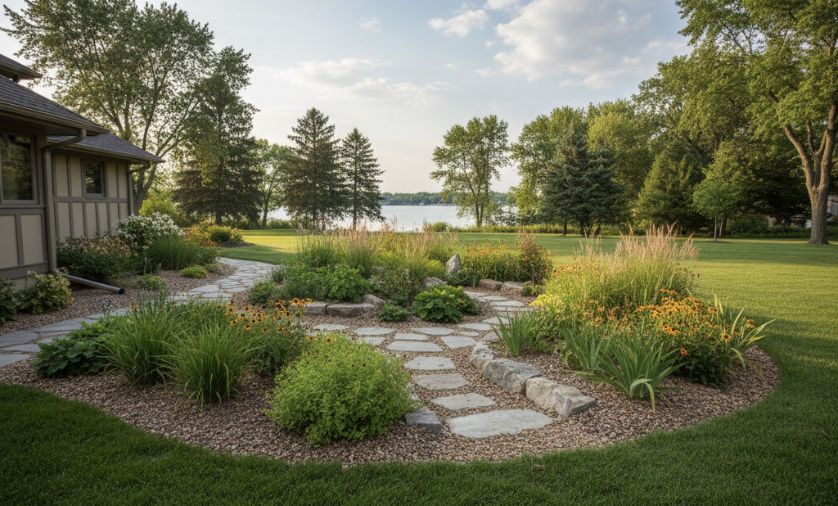
After the visit, the real design work happens at the desk. We take the measurements, the notes and your wish list and draw the yard to scale. The plan is computer drawn and in full color, so it’s easy to read even if you’ve never looked at a site plan before.
A to-scale plan matters more than people think. It shows how wide a path really needs to be, whether a patio will fit a table and chairs, and how big a shrub gets in ten years instead of the day it’s planted. When everything is drawn to scale, the surprises happen on paper instead of in your yard.
The plan shows:
- Every bed and its shape.
- Each plant, by species, and where it goes.
- Lawn areas, and how much lawn you’re keeping.
- Patios, walkways, retaining walls and steps.
- Landscape lighting and any water feature.
Design plans usually take one to three weeks, depending on the size of the property and how many pieces it has. For smaller yards and simple beds, it moves faster. Bigger projects with hardscape and special features take more drawing and more back and forth with you.
Picking Plants That Fit Your Yard
Plant choice is where a designer’s experience shows. The goal isn’t just a nice look in June. It’s a yard that looks good from April to November and doesn’t need you out there with a hose every night.
We lean on native plants for a lot of that. Natives are used to our winters, our clay and our dry spells. Once they’re settled, they need less watering and no heavy fertilizer or pesticide routine. They also bring in birds and butterflies, which most homeowners end up loving more than they expected.
That doesn’t mean every yard turns into a prairie. Native plants can be laid out in tidy, clean beds that look right in front of a regular house. We mix them with shrubs and trees for structure, so there’s something to look at even in winter. If you want to go deeper on the plant side, our native plant design work is built around exactly that.
We also give you plant advice you can use after the job, like which plants to cut back in fall, which to leave standing for the birds, and what to watch for in the first summer.
Fitting In Patios, Walkways and Lighting
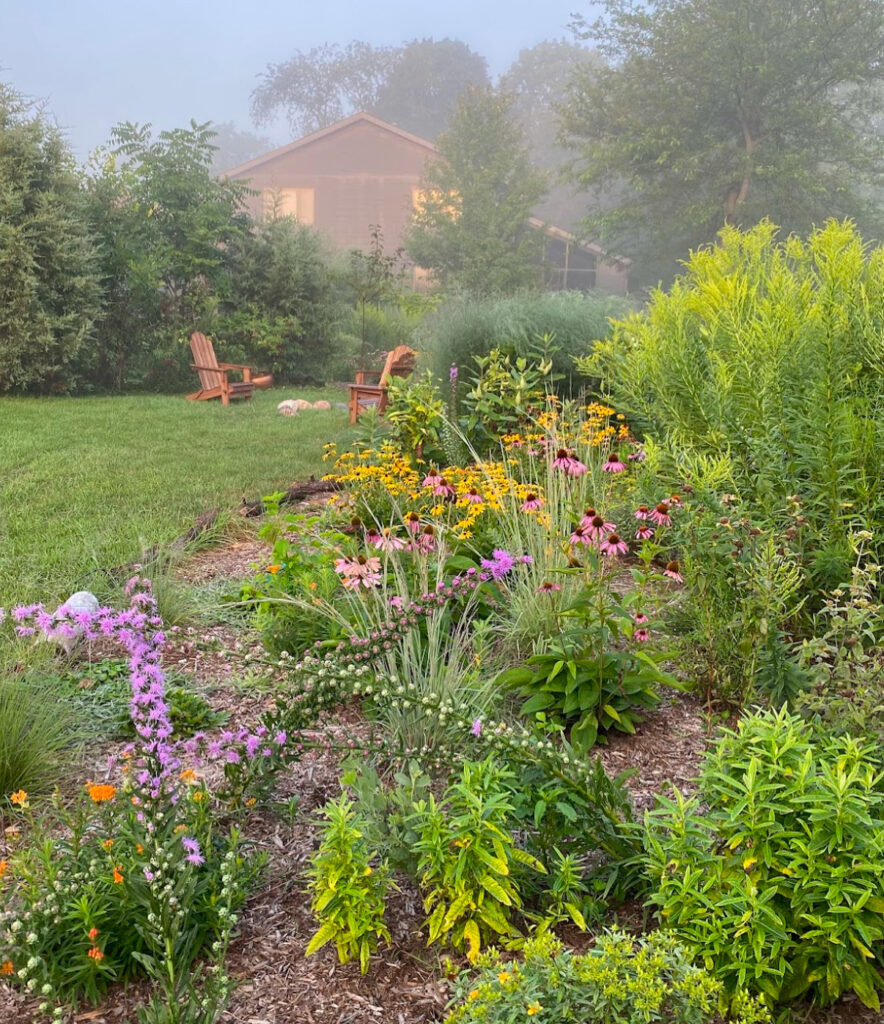
A yard isn’t just plants. Where you walk, sit and eat outside is part of the design too. A landscape designer lays out the hardscape so it works with the beds instead of fighting them.
That includes patios, walkways, retaining walls, landscape lighting and water features. A path should follow the way people already cut across the lawn. A patio should catch the evening shade. Lighting should show the steps and the best trees without lighting up the neighbor’s bedroom. Planning all of this together is how you avoid ripping out new plants later to run a wire or pour a footing.
This is also where small and odd-shaped yards get the most help. A narrow side yard, a steep slope or a tiny back patio can still look great. It just takes more care with scale and with which plants you pick. Big yards have their own problem: too much space and no plan for it. Either way, the design is what pulls it together.
What You Get at the End of the Design
When the design is done, you hold two things.
The first is the plan itself. It’s in color, it’s to scale, and it shows the whole property, so you and anyone working on the yard are looking at the same picture.
The second is a detailed cost estimate. It lists the quantities of each plant by species and each material, like stone, edging and mulch. That way the install price isn’t a guess. You can see exactly where the money goes and decide what matters most.
From there, you can build it all at once or in phases. A lot of homeowners do the front yard one year and the back the next. The plan keeps each phase lined up so the pieces fit when they’re done. For a closer look at how we work with you through all of this, see our design consultation process.
Why Homeowners Bring Their Yard Plans to Eubanks Environmental
We’re a local company with an office on Route 45 in Grayslake, and David has been designing and building landscapes around Lake County for about 30 years. We do both residential and commercial work.
The same company that draws your plan can also install it. That matters because the people building it already know why every plant and stone is where it is. Nothing gets lost between the drawing and the install.
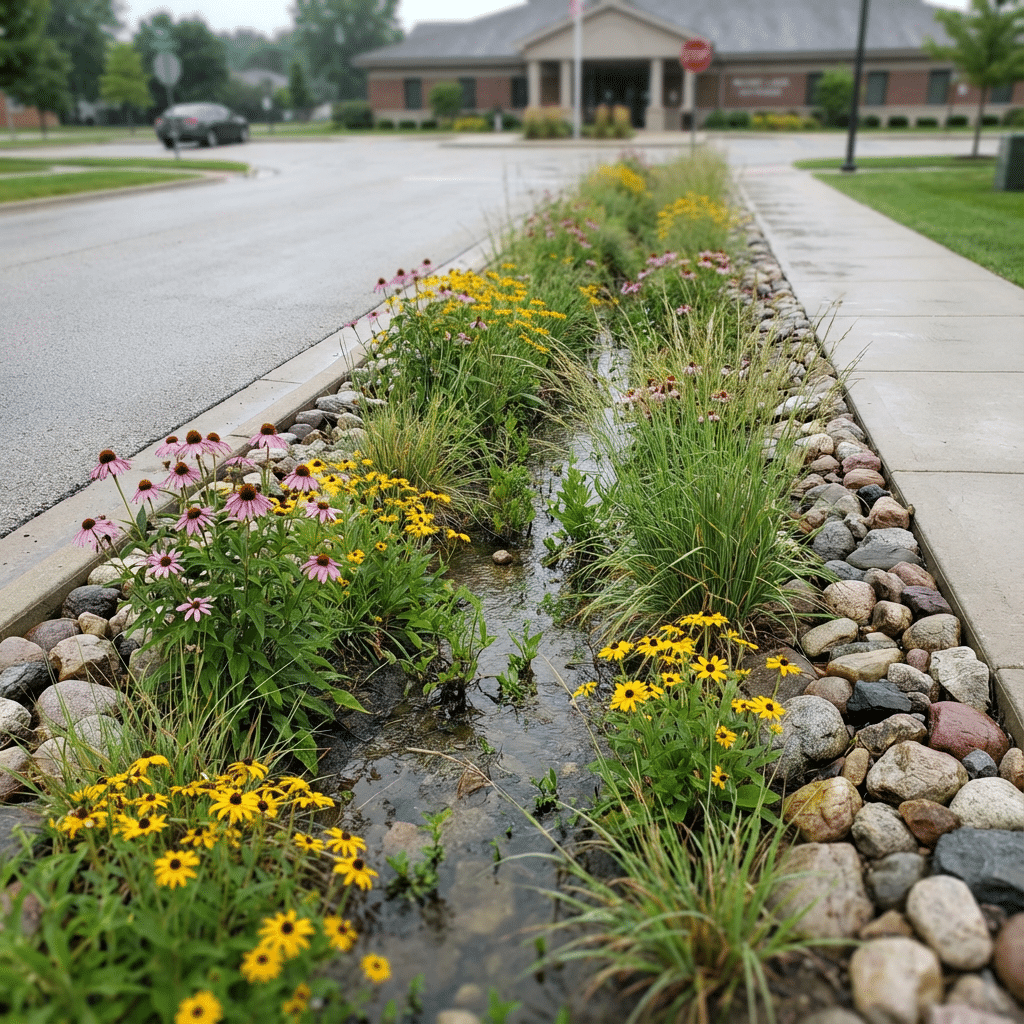
We’re members of Landscape Illinois, the statewide group for landscape professionals. And we care about yards that work with the land: plants that handle drought, beds that soak up rain, and less need for watering and chemicals. You can see more of what we build on our landscape design home page.
If you’re still sorting out who does what, our page on how a designer differs from a landscape architect clears that up. The University of Illinois Extension also has solid, free home gardening guides if you want to read up before we meet.
Frequently Asked Questions
Do I need a landscape designer for a small yard?
Not always, but small yards often get the most out of a plan. With less room, every plant and every foot of path counts. A designer makes sure things fit at full size and that the space works for how you actually use it.
How long does a landscape design take?
Most design plans take one to three weeks after the first visit. Simple beds move faster. Larger yards with patios, walls, lighting or a water feature take longer because there are more pieces to fit together and more back and forth with you.
Will a designer keep the plants I already have?
Yes, if you want them. We design around the plants you love and can move them to a better spot if they’re struggling where they are now. Many yards have good bones already, and a plan should build on them.
Can a landscape designer help with drainage?
Yes. Water is one of the first things a landscape designer should look at on any property. A plan can use beds that soak up rain, better grading and native plants with deep roots so water stops pooling near the house or across the lawn.
Ready to See What Your Yard Could Be?
The easiest way to find out what a plan would look like for your property is to walk it together. The first consultation is free, and you’ll leave with a clear idea of what’s possible.
Call us at (847) 456-5604 or send us a message to set up a time. We’ll come out, listen, and take a look at your yard with you. You can also start with our team’s design approach and see some of our past work first.