
Why Do Grayslake Homeowners Hire a Landscape Designer Instead of a Landscape Architect?
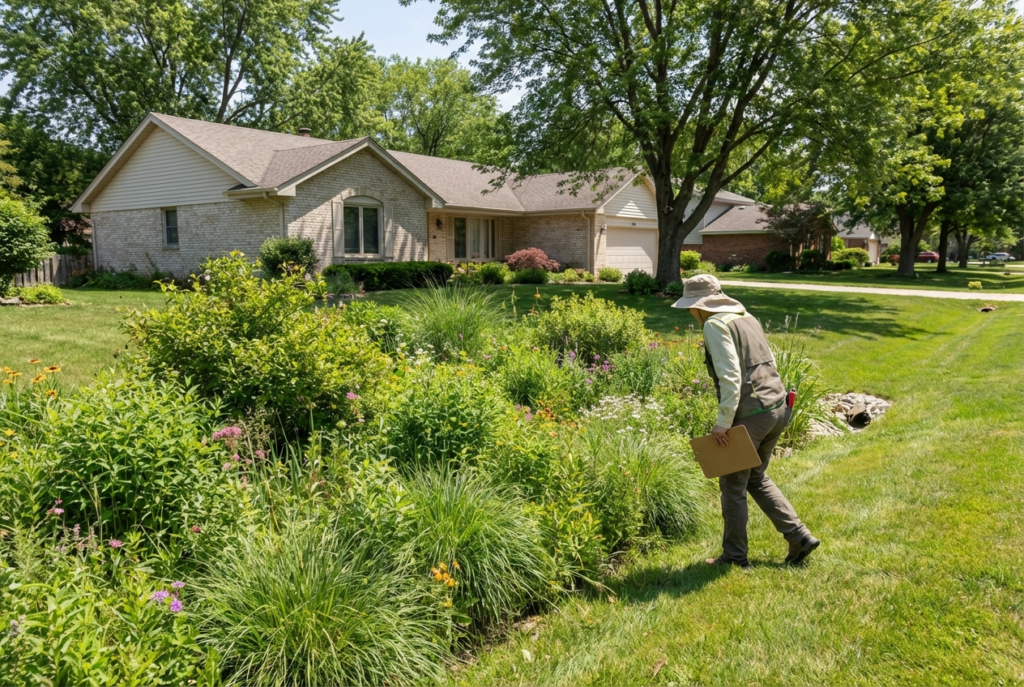
Why Do Grayslake Homeowners Hire a Landscape Designer Instead of a Landscape Architect? Well, a landscape architect holds a licensed professional degree and focuses primarily on large-scale commercial, public, and municipal projects. A landscape designer works at the residential scale — plant selection, drainage planning, hardscape design, and site-specific ecological work. For most Grayslake homeowners, a landscape designer is the right call because residential projects don’t require the technical overhead of a licensed architect and benefit far more from deep local knowledge of Lake County soil and climate conditions.
Most homeowners searching for landscape help don’t know which professional they actually need before they start making calls. That confusion can lead to hiring the wrong person for the scope of the project — or paying for a level of expertise the project doesn’t require. Understanding the distinction before you hire saves time and money.
This page explains exactly what separates a landscape architect from a landscape designer and why that distinction matters specifically for properties in Grayslake and Lake County.
TLDR:
- Landscape architects hold licensed professional degrees and work primarily on large commercial and public projects
- Landscape designers work at the residential scale with deep expertise in plants, drainage, hardscape, and local ecology
- Most Grayslake residential properties don’t require a licensed landscape architect
- Local knowledge of Lake County clay soil, freeze-thaw cycles, and permit requirements matters more than general licensure for residential work
- Some projects genuinely require a landscape architect — large commercial work, structural engineering, public spaces
- For most Grayslake homeowners, a landscape designer with 30 years of local experience is the right fit
Why Do Grayslake Homeowners Hire a Landscape Designer Instead of a Landscape Architect?
What a Landscape Architect Actually Is and Does
A landscape architect is a licensed professional. That means a bachelor’s or master’s degree in landscape architecture from an accredited program, followed by passing the Landscape Architect Registration Examination — the LARE. It’s a rigorous process that covers site engineering, grading, hydrology, environmental systems, and construction documentation at a level of technical depth that most residential landscape projects never require.
The work landscape architects are trained to do reflects that scope. Large public parks, urban streetscapes, campus master plans, municipal greenways, commercial developments requiring environmental impact assessment — these are the projects where a licensed landscape architect’s credentials are genuinely necessary. The scale is different, the regulatory requirements are different, and the public safety implications are different.
According to the American Society of Landscape Architects, licensure requirements vary by state but all require accredited education, documented work experience, and passage of the LARE. In Illinois that license is required to stamp plans for certain commercial and public projects where a design failure could affect more than one family.
For a homeowner in Grayslake looking to redesign their yard, fix a drainage problem, or establish a native landscape — that’s not the scope a landscape architect is built for. It’s the scope a landscape designer handles every day.
What a Landscape Designer Does and Why the Distinction Matters
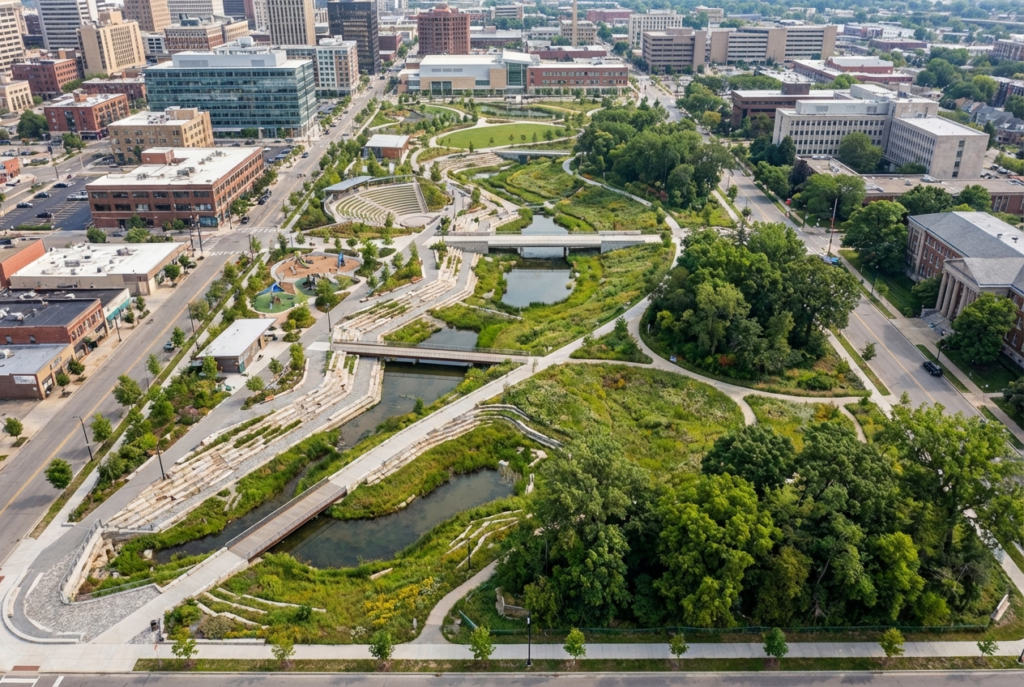
A landscape designer doesn’t hold a state license the way a landscape architect does. What they bring instead is deep expertise in the work that actually matters for residential properties — plant selection based on local soil and climate conditions, drainage planning before hardscape goes in, hardscape design, ecological systems, and long-term property planning that accounts for how a yard functions across all four seasons.
The residential scale is where landscape design lives. A homeowner in Grayslake with drainage problems, a yard full of plants that don’t belong in Lake County clay, or a property that needs a native prairie or shoreline restoration doesn’t need a licensed architect. They need someone who knows this soil, knows these plants, and has worked on enough properties in this area to know how decisions play out two and three years after installation.
That kind of expertise doesn’t come from a licensing exam. It comes from decades of working in a specific place with specific conditions. According to the Association of Professional Landscape Designers, landscape designers bring specialized knowledge of horticulture, ecology, and site-specific design that is particularly well suited to residential and small-scale commercial projects where local plant and soil knowledge drives outcomes.
David Eubanks has worked as a landscape designer in Grayslake and Lake County for over 30 years. That work spans native plant installation, ecological restoration, shoreline stabilization, prairie and wetland restoration, and drainage planning on properties where the underlying site conditions drive every design decision. That’s not general landscape training applied to a local property — it’s three decades of working in this specific soil and seeing how decisions hold up over time.
Where the Two Overlap and Where They Don’t
Both landscape architects and landscape designers work with plants, hardscape, drainage, and outdoor space design. Both serve clients who want their properties to look and function better. On the surface the work looks similar — site assessment, design plan, plant selection, hardscape recommendations. The difference shows up in scale, licensing, and what the project actually requires.
Where they genuinely overlap is on mid-size residential projects that involve drainage, grading, and hardscape alongside planting. A landscape designer with strong technical knowledge handles all of that on a residential lot. A landscape architect brings the same capabilities plus the licensing to stamp plans for projects that require regulatory approval. For a Grayslake homeowner, that licensing requirement almost never applies.
Where they clearly don’t overlap is at the commercial and public scale. A landscape architect designing a municipal park, a campus master plan, or a large stormwater infrastructure project is working in territory that requires their specific credentials. A landscape designer working on a residential native planting, a shoreline restoration, or a drainage correction on a private property is working in territory where local expertise matters far more than general licensure.
The cost difference reflects that. Landscape architects carry significant overhead — licensure, insurance requirements, and the infrastructure of a practice built to handle commercial-scale projects. That overhead shows up in what residential clients pay. A landscape designer whose practice is built around residential and ecological work in a specific area operates at a different cost structure — and often delivers better results for residential projects because the work is their primary focus, not a smaller version of something they do at commercial scale.
Why Most Grayslake Homeowners Need a Landscape Designer Not an Architect
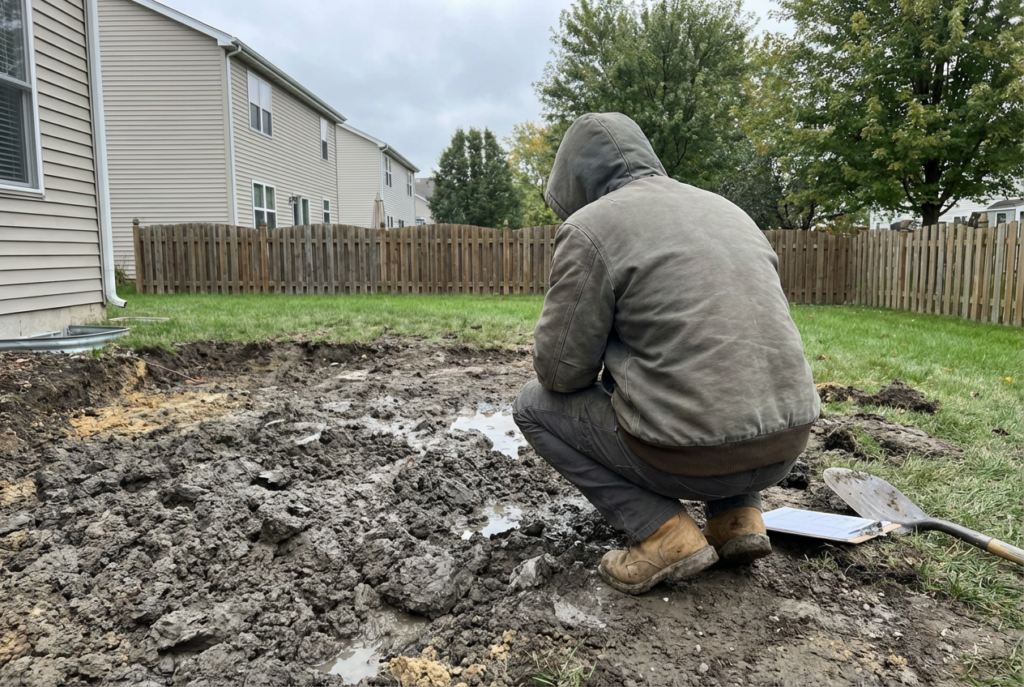
Grayslake residential properties don’t require licensed architectural oversight. The work that matters on most lots here — getting plant selection right for Lake County clay, solving drainage before hardscape goes in, establishing native plantings that perform across all four seasons, coordinating permits for grading or retaining wall work — is landscape design work. It requires local knowledge, not a professional stamp.
Clay soil conditions in Grayslake behave differently than soil conditions in other parts of Illinois. The freeze-thaw cycle destroys plants that work fine elsewhere. Drainage patterns on low-lying Lake County lots create problems that don’t show up in general landscape training. A landscape architect from outside this area applying general principles to a Grayslake property will get some things right and miss the things that require knowing this specific terrain.
Ecological restoration work — prairie establishment, shoreline stabilization, wetland restoration, prescribed burns — is landscape design territory, not architectural territory. These are the services that make Eubanks Environmental different from a general landscape company and different from a licensed architectural firm. They require deep knowledge of native plant ecology, local hydrology, and the specific permit requirements that govern restoration work in Lake County and along the Lake Michigan coastline.
Thirty years of working in this soil produces a different kind of expertise than thirty years of working on large commercial projects. The plant failures David has seen, the drainage problems he has assessed, and the restoration projects he has completed on properties across this area inform every design decision in ways that a general landscape architecture education simply doesn’t replicate. That’s what local expertise actually looks like on a Grayslake property.
When a Landscape Architect Is the Right Call
Being honest about this matters. Not every project needs a landscape designer — and not every project needs David. There are situations where a licensed landscape architect is genuinely the right call, and knowing the difference before you hire saves time and money in both directions.
A landscape architect is the right fit when the project involves large-scale commercial or municipal design. Parks, campuses, urban streetscapes, large stormwater infrastructure — these projects require the engineering depth, regulatory oversight, and professional stamp that landscape architect licensure provides. A landscape designer isn’t the right fit for that scale of work.
Structural engineering is another clear line. Projects that involve retaining walls or grading at a scale that requires stamped engineering drawings, large commercial site development with complex drainage infrastructure, or multi-family residential projects where regulatory approval requires a licensed professional — these call for an architect.
Public spaces where design failures could affect large numbers of people rather than a single family also fall into landscape architect territory. The liability implications of public space design are different from residential work, and the licensing requirements reflect that.
For most Grayslake homeowners — a residential lot, a native planting, a drainage correction, a shoreline stabilization, an ecological restoration project — none of those scenarios require a licensed landscape architect. They require someone who knows this area, knows this soil, and has seen how decisions on properties like yours play out over time.
What 30 Years of Lake County Ecological Design Looks Like in Practice
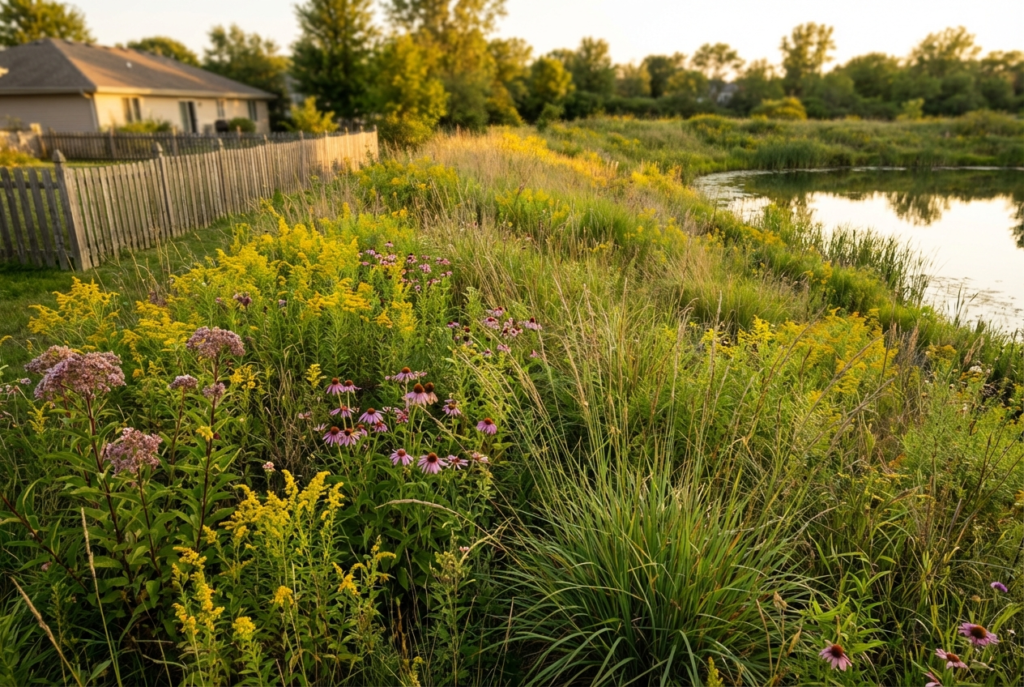
There’s a meaningful difference between someone who studied landscape design and someone who has spent three decades working in a specific place with specific conditions. The former knows the principles. The latter knows what happens when those principles meet Lake County clay, a hard freeze-thaw cycle, a wetland buffer ordinance in Highland Park, or a Lake Michigan bluff with clay soil and wave exposure at the toe.
David Eubanks has been doing ecological restoration and native landscape design in Grayslake and Lake County since the early 1990s. That work includes prairie establishment on residential and municipal properties, shoreline and wetland restoration along Lake County waterways, woodland and oak savanna restoration, prescribed burns, and native landscape design for homeowners who want something that actually works in this soil rather than something that looks good at the nursery in May.
The permit knowledge that comes from that work is specific to this area. IDNR requirements for shoreline work, Army Corps Section 404 coordination, Lake County steep slope ordinances, municipal wetland buffer requirements that vary between Highland Park, Lake Forest, and Lake Bluff — these aren’t things you learn from a general landscape education. They come from navigating them on real projects over decades.
For a Grayslake homeowner who needs plant selection that survives Lake County winters, drainage planning that accounts for clay soil, or ecological restoration work on a property near a wetland or shoreline — that depth of local experience is what actually makes the difference. Not a license. Not a credential. Thirty years of working in this specific place and knowing what holds up over time.
If you want to see what that looks like on your property, start with a conversation before any decisions get made.