
What Does Buckthorn Removal Cost in Lake County, IL?
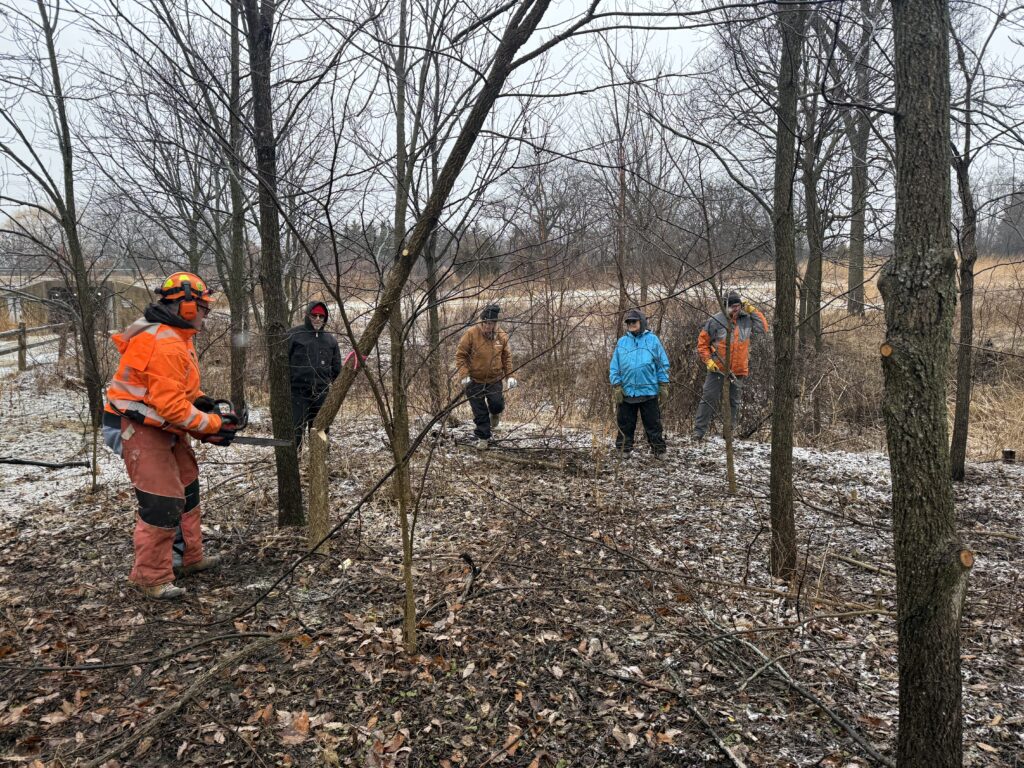
Buckthorn removal cost in Lake County depends mostly on how thick the buckthorn is and how big the stems have gotten. A few shrubs along a fence is a short day. A solid wall of 20 foot buckthorn across a wooded acre is a whole different job. Access, slopes, wet ground, what happens to the brush and how many follow-up visits you need all move the number too.
David Eubanks has been doing restoration and native landscape work around here since the early 1990s, and buckthorn takes over more properties here than any other invasive. Below is how a fair price for buckthorn work actually gets built, piece by piece, so you can read a quote and know what you’re paying for. It all ties into our buckthorn clearing work, where buckthorn is usually step one.
TLDR:
- Nobody can give you an honest price for buckthorn work without walking it first.
- How thick the thicket is and how big the stems are set most of the price.
- Slopes, wet ground, tight access and hauling brush all add time.
- Stump treatment and follow-up visits for seedlings belong in the quote.
- Planting natives afterward is what keeps you from paying for this twice.
How Buckthorn Removal Cost Gets Figured
There’s no menu price for this. Two yards on the same street can look alike from the road and be totally different once you walk in. One has a few big shrubs you can get a saw around. The other has thousands of finger-thick stems packed so tight you can’t see ten feet in.
When David walks a property, he’s really asking four questions. How much buckthorn is there, and how big is it? How easy is it to get people and gear to it? What do you want done with the brush? And what’s the plan for the ground once it’s open?
Those answers turn into hours, equipment and materials. That’s all a price really is. It’s also why the numbers you find online swing so wildly. A per-acre figure on some national cost site has no idea if your acre is open woods with a few shrubs or a tangle you’d need a machete to get into.
One more thing worth checking before you pay anyone: make sure it really is buckthorn. A few native shrubs look a lot like it, and you don’t want to pay to cut down plants that belong there. The Wisconsin DNR has a clear common buckthorn fact sheet with photos of the bark, leaves and berries.
So the honest answer is you get a real number after someone walks it with you. David does that, and he puts the number in writing.
Thicket Density and Stem Size Set Most of the Price
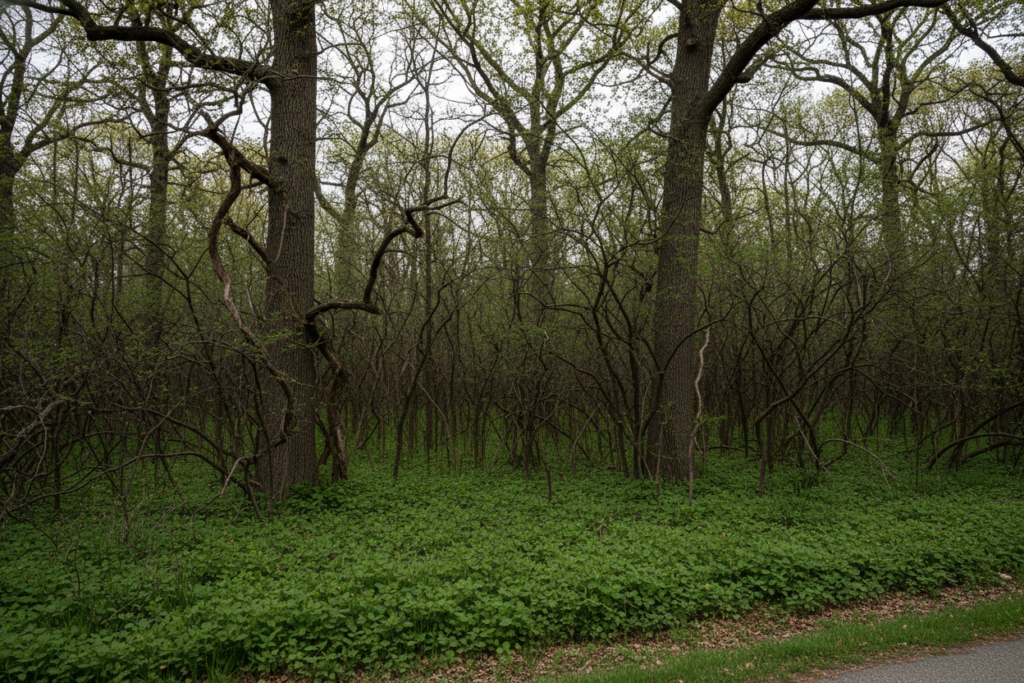
Density is the big one. A thicket that’s been growing for 15 or 20 years usually has buckthorn in every size, from seedlings up to trunks as thick as your leg. Every stem has to be cut. Every stump big enough to sprout has to be treated. More stems means more hours, plain and simple.
Stem size matters almost as much. Seedlings and thin stems can be pulled by hand. Stems up to an inch or two can often come out whole with a puller tool like an Extractigator, mostly when the soil is soft. Anything bigger gets cut low with a saw and the stump gets treated by a licensed applicator. And the bigger the trunks, the more wood there is to deal with afterward.
Then there’s what the buckthorn is tangled up with. If it’s growing tight against old oaks, native shrubs or a garden bed, every cut is slower and more careful. Open ground with nothing worth saving goes much faster. A small patch wrapped around big oaks can actually take longer than a bigger patch out in the open.
This is why David counts and sizes instead of guessing from a photo. A picture shows you the front row. It doesn’t show the hundred stems hiding behind it.
Other Things That Change the Number
Access and Slopes
Can a truck or a chipper get close, or does every branch get dragged by hand up a hill? Ravines and steep banks slow everything down. On slopes we cut and treat instead of pulling, so the dead roots stay put and help hold the soil while new plants fill in.
Wet Ground
Glossy buckthorn loves wet spots, pond edges and low woods. Soft ground can mean waiting for a hard freeze so people and gear don’t rut it up. Near water, the stump treatment has to be a product labeled for use around water.
What Happens to the Brush
Hauling it off, chipping it on site, or stacking it in brush piles for wildlife all take different amounts of time. Chips can go on trails. Piles are the least work, but they take up room.
Follow-Up and Replanting
Seedlings will keep coming up from seed in the soil for a few years. Whether follow-up visits are part of the plan, and whether you want native seed or plants put in, both belong in the quote.
What a Low Bid Usually Leaves Out
The lowest quote for buckthorn work is often a quote for cutting only. Someone shows up with saws, drops everything, maybe chips it, and leaves. It looks great for a couple of months. Then every stump sends up a ring of new shoots, and by next summer you’ve got a thicket again, usually bushier than the first one.
Before you sign with anybody, ask these:
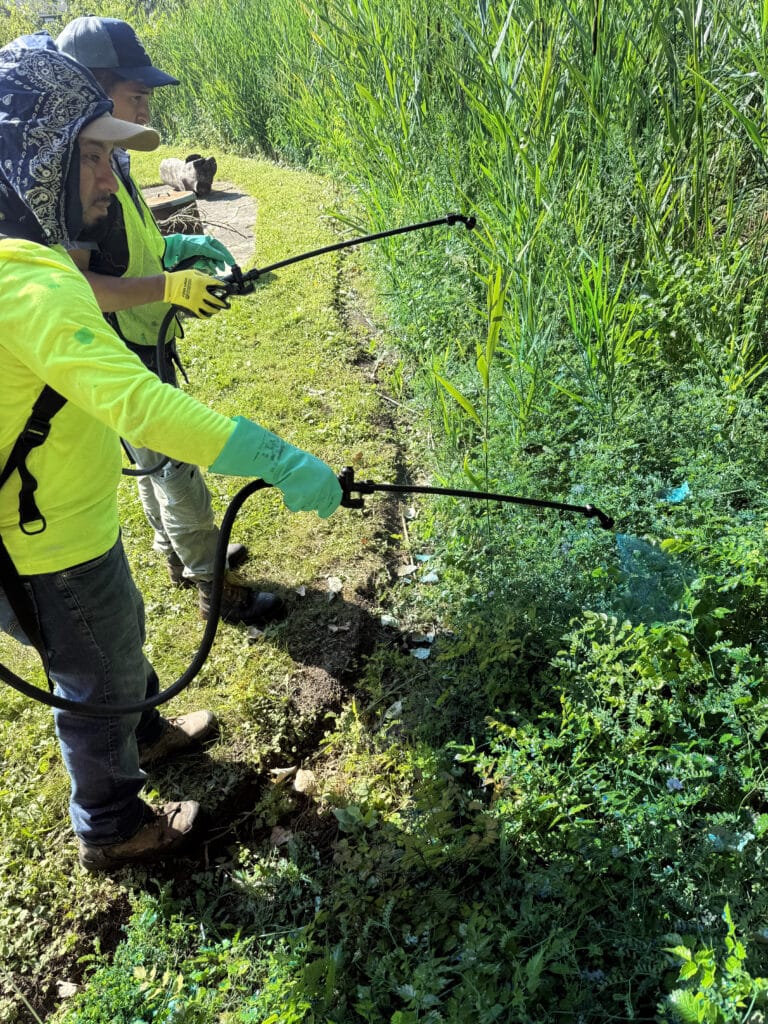
- Is every stump treated the same day it’s cut?
- Who is putting on the herbicide, and are they licensed?
- What happens to the brush?
- Are follow-up visits for seedlings included or priced separately?
- What goes in the ground once the buckthorn is gone?
If the answer to that first one is no, you’re paying for a haircut, not a removal. That bargain becomes the most expensive option once you pay someone to do it all over again.
The other thing a lot of quotes skip is the seed bank. Female buckthorn drops berries by the thousands, birds spread them, and the seeds sit in the soil waiting for light. A good plan expects those seedlings and budgets for them, so you’re not surprised in year two. That’s why our buckthorn and invasive shrub control is always planned past the first cut.
Why Property Owners Trust Eubanks Environmental with Buckthorn Removal
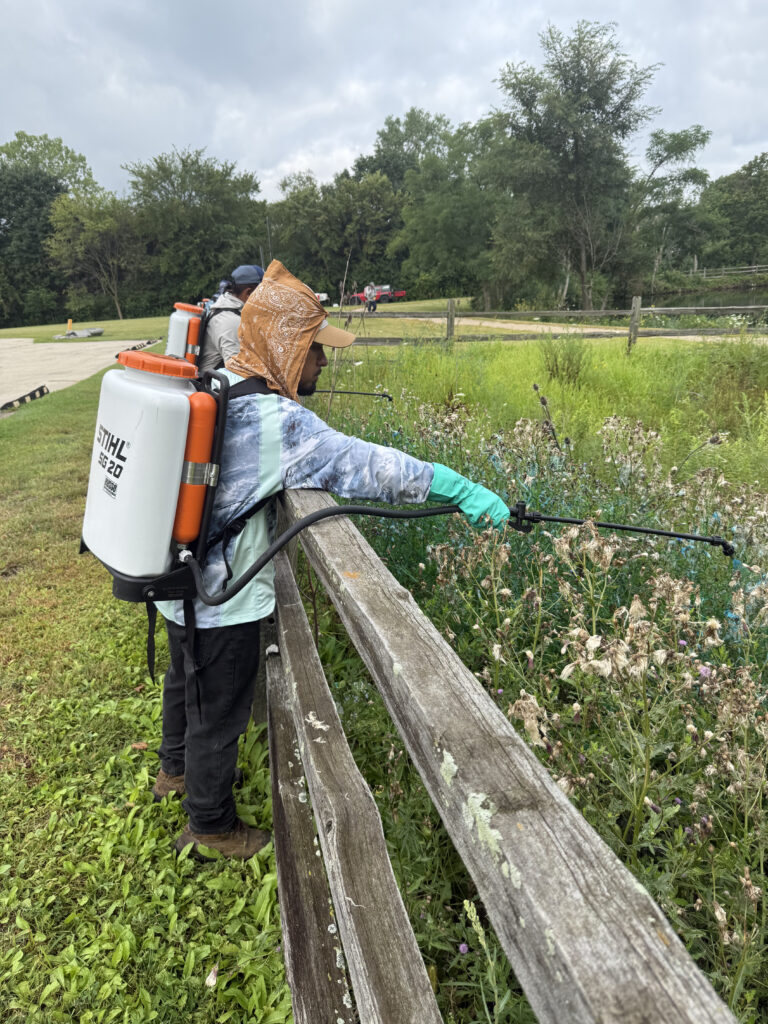
David has been doing ecological restoration here for about 30 years. Buckthorn is a big part of that work, but it’s never the whole job. The same team runs prescribed burns, brings back oak woodlands and plants prairie, so the plan doesn’t stop when the brush pile is gone.
That matters for price, too. When the company cutting your buckthorn also knows what should grow there next, you’re not paying two outfits that never talk to each other. The thicket gets opened, stumps get treated, seedlings get checked, and natives go in once the ground is ready. Our oak savanna and woodland restoration picks up right where the clearing ends.
We do this work from our Grayslake office out to Libertyville, Mundelein, Gurnee, Lake Forest and Lake Bluff. David is also a member of Landscape Illinois.
If you’d like the bigger picture on the other invasives that tend to show up with buckthorn, like honeysuckle and garlic mustard, here’s how we handle invasive plant removal.
Frequently Asked Questions
Is it worth paying to get buckthorn out of my yard?
Yes, if you want anything else to grow there. Buckthorn leafs out early, holds its leaves late and shades out nearly everything under it, and every year you wait there are more stems to cut and more seeds sitting in the soil.
Why does buckthorn take more than one visit to get rid of?
The cutting is one visit, but seeds already in the soil keep sprouting for a few years after the big shrubs are gone. Follow-up visits catch those seedlings while they’re small and quick to handle, before they grow up and start dropping berries of their own.
Do buckthorn roots have to be dug out?
Usually not. On bigger shrubs the stump is cut low and treated right away, which kills the roots where they sit and leaves them holding the soil, so you aren’t paying for digging and patching holes. Small stems can be pulled out whole with a puller tool when the ground is soft.
Can you clear buckthorn a little at a time to spread out the cost?
Yes, and on big properties it’s often the smart way to go. A common plan takes out the berry-producing shrubs first so the spread slows down, then clears one section at a time over a few seasons, with follow-up on each area as you go.
Want a Real Number for Your Buckthorn? Here’s What Happens Next
You came here looking for a price, and the fair answer is that it depends on what’s growing on your land. Finding out doesn’t take long, though. David walks the property with you, points out what’s buckthorn and what’s worth keeping, and talks through options, from one season of clearing to a plan spread over a few years.
After the walk you get a written number that spells out cutting, stump treatment, brush, follow-up and planting. That way you can hold it up next to any other quote, line by line.
Call David at (847) 456-5604 or send a note through our contact page to set up a walk-through. Fall and winter are prime buckthorn season, so reaching out early makes it easier to get on the schedule.