What Should You Plant After Removing Buckthorn in Lake County, IL?
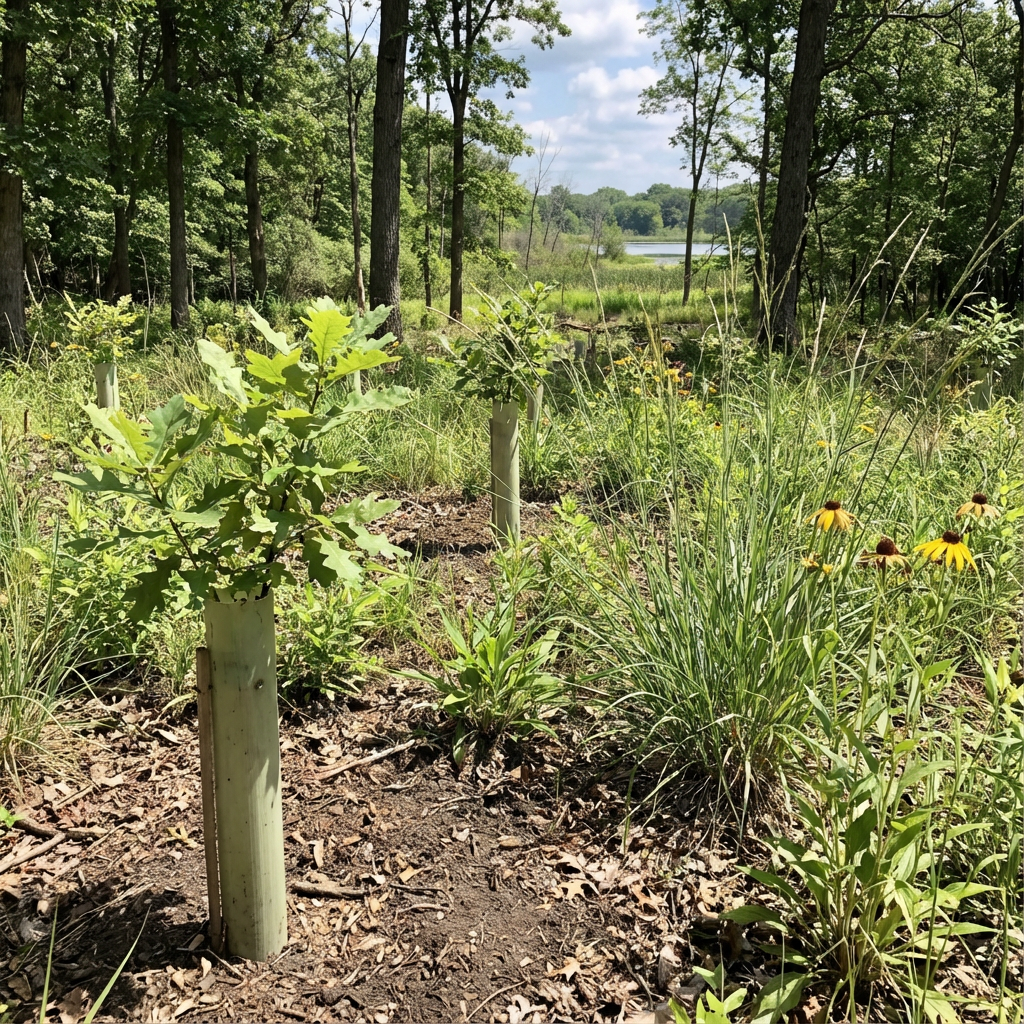
The best things to plant after removing buckthorn are fast native groundcovers first, like Virginia wild rye, bottlebrush grass and woodland sedges, then native shrubs and trees that bring the shade back. The goal is simple. Cover the bare soil before buckthorn seedlings do. What you pick depends on how much sun the spot gets, how wet it stays, and whether you want woods, prairie or a screen.
David Eubanks has been planting natives and restoring woods and prairie here since the early 1990s. Taking buckthorn out is only half of a good job. What goes in next decides whether the space stays open or turns into the next thicket. Replanting is the last step of our buckthorn clearing service.
TLDR:
- Cover bare ground fast with native grasses and sedges.
- Pick plants by sun, shade and how wet the soil stays.
- Add native shrubs and trees over time to bring back shade.
- Never replant with invasive shrubs like burning bush or Japanese barberry.
- Keep pulling buckthorn seedlings while the new plants fill in.
Why You Should Plant After Removing Buckthorn Right Away
Once a thicket comes out, the ground underneath is usually bare. Buckthorn shade killed off most of what grew there, and its leaves break down fast, so there’s very little leaf litter left covering the soil. Now that ground gets full sun for the first time in years.
Buckthorn seeds love exactly that. Seeds already in the soil sprout in the light, and birds keep dropping more. If nothing else is growing there, the next crop of buckthorn moves right in. Garlic mustard and other weeds often show up with it.
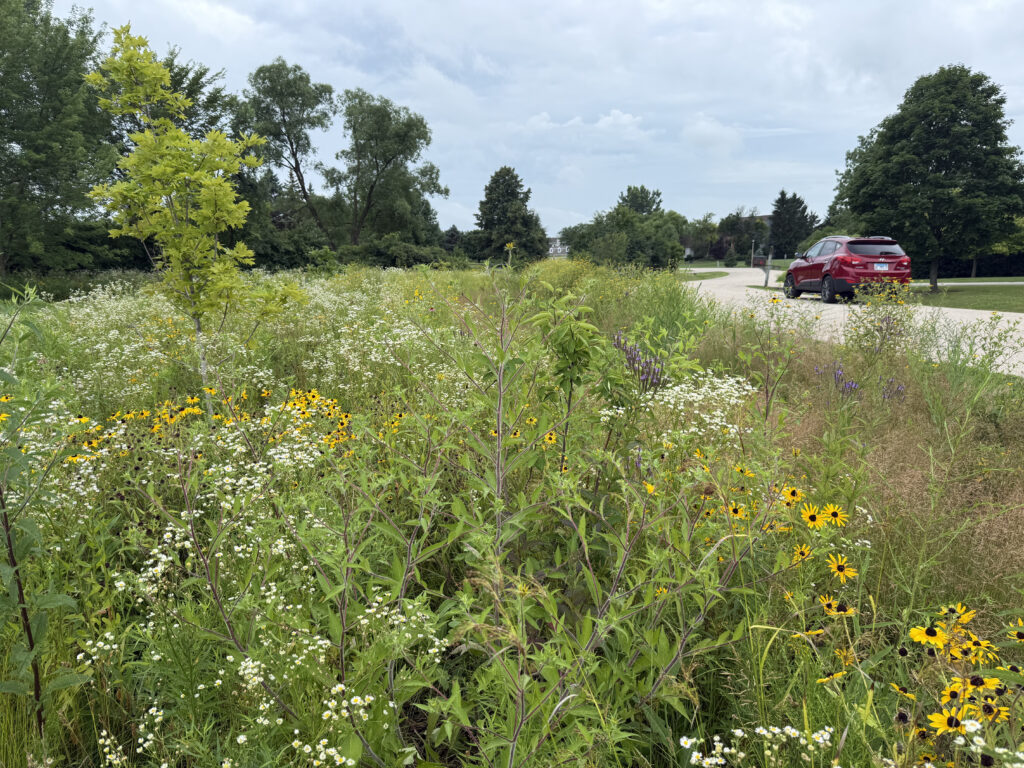
Planting fills that gap. A cover of native grasses and sedges shades the soil, holds it in place on slopes, and gives seedlings something to fight with. It won’t stop buckthorn by itself, but it makes the follow-up work a lot easier. It also starts turning a cleared patch into something you actually want to look at.
Think of it in layers. The first year is about cover on the ground. The next few years are about adding shrubs, and then trees where there’s room. Each layer takes away a little more of the light buckthorn needs.
Skipping this step is the most common reason a cleared area slides back. Bare dirt and sunshine are an open invitation, and buckthorn always says yes.
Match the Plants to the Spot
There’s no one seed mix that works everywhere, even within Lake County. The right plants depend on what the spot looks like once the buckthorn is gone.
Shady Woods Under Oaks
Virginia wild rye, bottlebrush grass and Pennsylvania sedge all do well here. Wildflowers like wild geranium, woodland phlox and zigzag goldenrod add color in spring and fall. Under big trees, these low layers matter more than stuffing in lots of new shrubs.
Woodland Edges and Yard Lines
This is where people usually want a screen back. Native shrubs like gray dogwood, American hazelnut, nannyberry, ninebark and serviceberry fill in well and feed birds without taking over the woods the way buckthorn does.
Sunny Openings
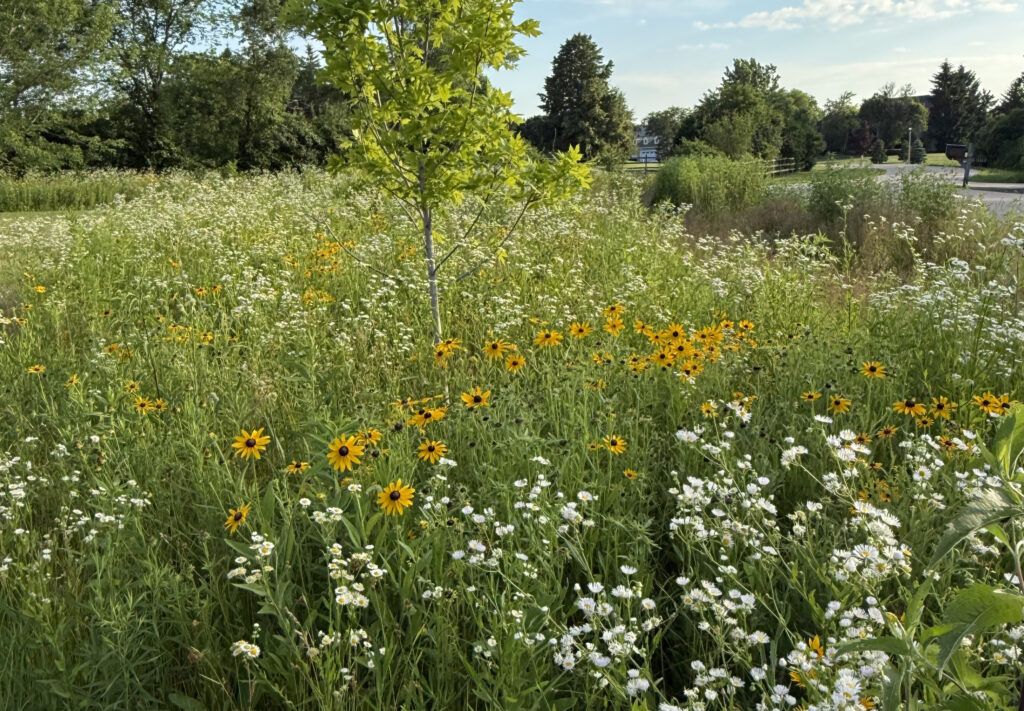
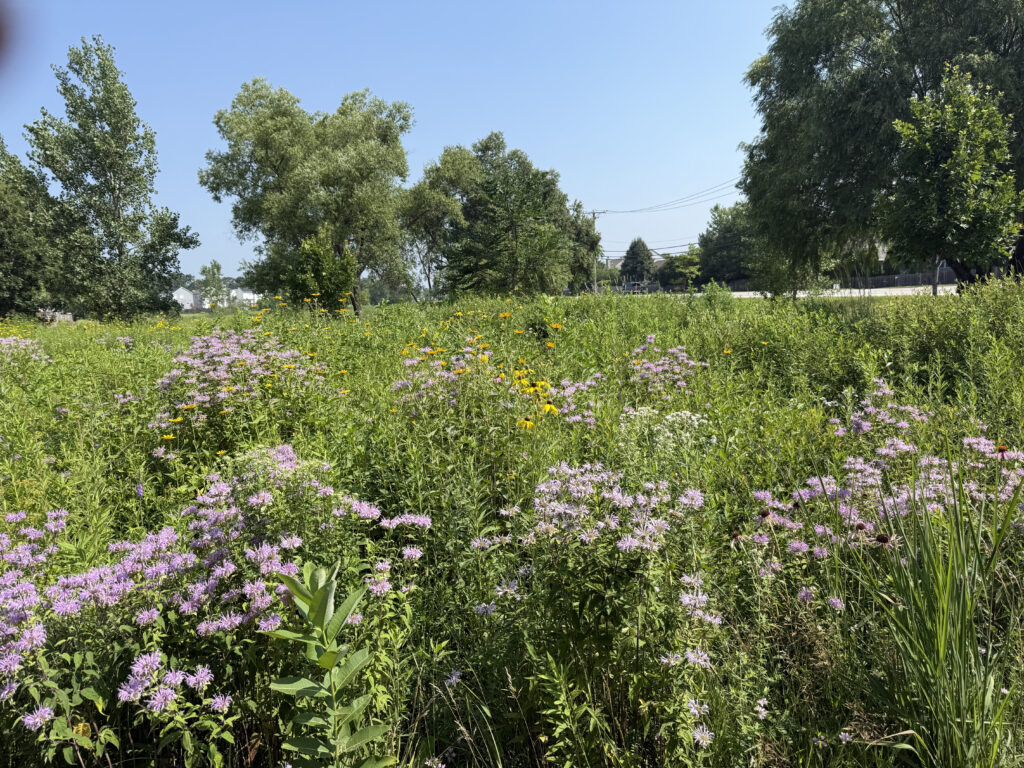
If clearing opened up a bright patch, think savanna or prairie. Little bluestem, Canada wild rye, black-eyed Susan, wild bergamot and purple coneflower all handle full sun.
Wet Ground
Glossy buckthorn often grows where it stays damp. There, native sedges, blue flag iris, red-osier dogwood, buttonbush and swamp white oak are better fits.
Trees for the Long Game
Bur oak, white oak and swamp white oak bring back the canopy over time. Young trees need tubes or cages, though, or deer will browse them down before they ever get going.
What Most Companies Skip After the Buckthorn Comes Out
A lot of buckthorn jobs end with the last brush pile. The quote covered cutting and maybe stump treatment, and nobody talked about what comes next. A year later the owner is looking at a carpet of tiny buckthorn and wondering what happened.
The other mistake is planting too much, too soon. If you fill a cleared woodland with nursery shrubs the first spring, you’ve made the follow-up harder. Now every seedling is tangled up with something you want to keep, and pulling or spot-treating gets slow and risky.
What tends to work better goes in three steps. Seed fast native cover right away. Let the first flush of buckthorn seedlings come up, and deal with it. Then add shrubs and trees in the next season or two, once the worst of the seedlings are handled.
Watch what you buy, too. Burning bush, Japanese barberry and privet have been sold for years as landscape shrubs, and each one can escape into the same woods you just cleared. University of Illinois Extension keeps a list of invasive trees and shrubs, and it’s worth a look before you shop.
That follow-up and planting is built into how we plan buckthorn removal and restoration, so the job doesn’t stop at the brush pile.
When to Plant and When to Call for Help
Timing matters. Native seed for groundcover can go down in late fall or early winter, when freezing and thawing work it into the soil, or in spring. Plugs, shrubs and trees go in during spring or early fall, when there’s enough moisture to get roots growing.
You can do a lot of this yourself on a small yard edge. Rake the bare soil lightly, spread a native woodland or prairie seed mix, keep any plugs watered through their first summer, and pull buckthorn seedlings by hand as they show up.
It makes sense to bring in help when the area is big, when it’s a slope or a lakeshore, when it’s wet, or when you’re not sure what’s native and what isn’t. A plan for half an acre of woods is a lot easier to get right when someone has looked at the light, the soil and what’s already trying to come back.
That’s the work our native plant design and native plant installation services handle. On bigger sites it can also tie into prairie restoration or bringing an oak woodland back.
Why Property Owners Trust Eubanks Environmental With Replanting After Buckthorn
David has done ecological restoration and native landscape work here for about 30 years. So the same company that clears your buckthorn also knows what belongs in that ground next. Clearing outfits and planting outfits are often two different companies. With us it’s one plan from start to finish.
That matters for this problem in a big way. The plants that go in after buckthorn have to fit the light, the soil and the deer pressure, and they have to go in at a pace that leaves room for seedling follow-up. Getting that balance right comes from years of doing restoration on real ground, not from a seed catalog.
The same team also runs prescribed burns and oak woodland restoration, so a cleared area can move toward healthy woods or prairie instead of just sitting there. We do this work from our Grayslake office out to Libertyville, Mundelein, Gurnee, Lake Forest and Lake Bluff. David is also a member of Landscape Illinois.
If you’re still in the clearing stage, here’s more about getting rid of buckthorn for good before the planting starts.
Frequently Asked Questions
Should I take out buckthorn if it’s my only privacy screen?
Yes, but plan the replacement before you cut. You can clear it in stages and plant native shrubs like gray dogwood, nannyberry and American hazelnut as you go, so you’re not left staring at the neighbors for years while the new screen fills in.
Is there a buckthorn that isn’t invasive?
Illinois does have a couple of native buckthorn relatives, but they’re small, uncommon shrubs and hard to find for sale. If you want that same dense green screen, native shrubs like nannyberry, gray dogwood, American hazelnut or ninebark do the job and feed birds without taking over the woods.
How soon can I plant after buckthorn is cut?
You can seed native grasses and sedges right away, as soon as the brush is cleared, and that’s usually the smart move. Wait a season or two on bigger shrub and tree plantings, so the first round of buckthorn seedlings can be handled without working around everything you just planted.
What plants help keep buckthorn from growing back?
Dense native cover helps most: woodland sedges and wild rye in shade, prairie grasses and wildflowers in sun, and native shrubs and trees to bring the canopy back. Nothing stops buckthorn completely while birds keep dropping seed, but thick native growth means far fewer seedlings and makes them much easier to pull.
Just Cleared Buckthorn? Here’s How to Plan What Comes Next
If the buckthorn is out, or about to be, now is the moment to decide what fills that space. Wait too long and the seed bank decides for you.
David can walk the area with you and look at the light, the soil and the drainage. Then he’ll lay out what to seed now, what to plant later, and how to keep seedlings in check while everything fills in. Whether you want shady woods, a sunny prairie patch or a new native screen, the plan fits the spot.
Call David at (847) 456-5604 or send a note through our contact page to set up a walk-through. Fall is a great time to plan, since native seed can go down over the winter.