
When Is the Best Time to Remove Buckthorn in Lake County, IL?
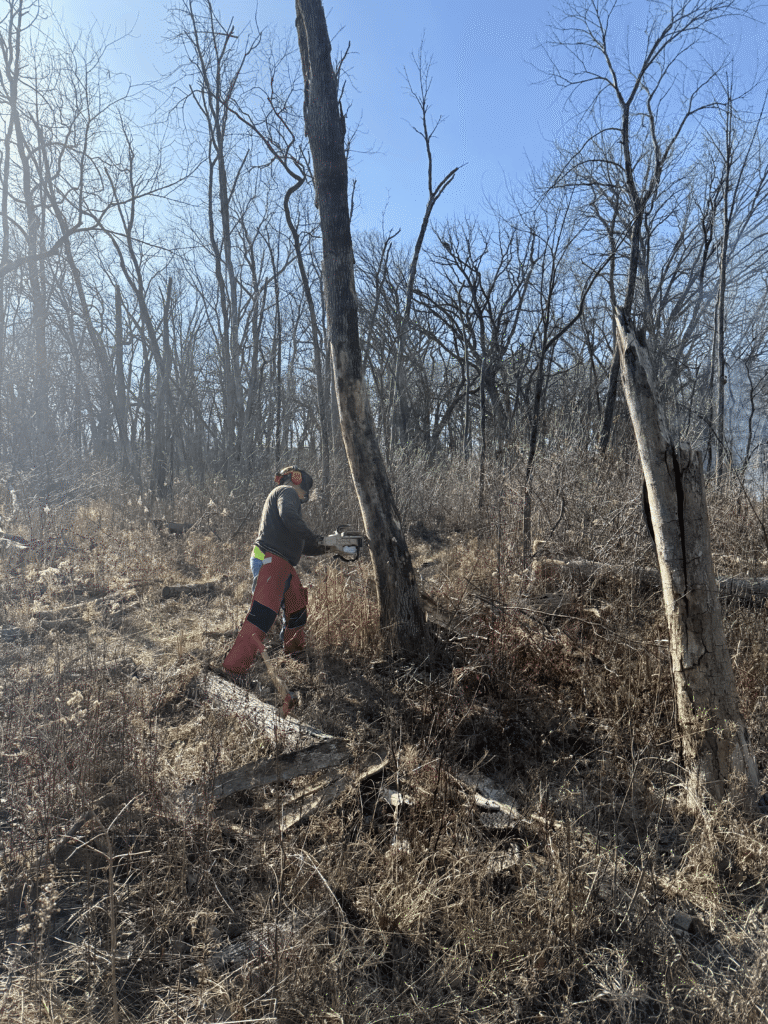
The best time to remove buckthorn is late fall through winter, after most native plants drop their leaves and before birds start nesting in spring. Buckthorn stays green late, so it’s easy to find in November. Stump treatments work well through the fall, and frozen ground holds up better under boots and equipment. The worst window is late spring, when the plant is leafing out and stump treatments don’t take as well.
David Eubanks has been doing restoration work through every season here since the early 1990s, and the calendar shapes almost every buckthorn plan he puts together. Below is a season-by-season look at what works, what doesn’t, and why timing matters as much as the cutting itself. It’s all part of our buckthorn removal service.
TLDR:
- Late fall and winter are the best months for most buckthorn removal.
- Buckthorn keeps its green leaves after natives drop theirs, which makes it easy to find.
- Late summer and fall are strong months for stump treatment.
- Skip big cutting jobs in May and June, when stump treatment works poorly.
- Working in the dormant season protects nesting birds and the soil.
Why Late Fall and Winter Are the Best Time to Remove Buckthorn
Take a walk in the woods in early November. Most of the native shrubs are bare, the oaks have gone brown, and there’s one shrub still holding bright green leaves. That’s buckthorn. It leafs out before almost everything else in spring and hangs on to its leaves late into fall.
That habit makes fall the easiest time to find every plant, even the small ones hiding under taller brush. You can flag them, map them and know exactly what you’re dealing with before the first cut.
Fall is also when the plant is moving energy down into its roots for winter. A stump treated then carries the herbicide down with it, which is a big reason fall stump work tends to hold.
Winter has its own perks. Once the ground freezes, wet spots and slopes can be worked without rutting the soil or crushing next year’s wildflowers. And with no birds nesting in the shrubs, clearing a big thicket doesn’t wreck anyone’s nest.
Put those together and you can see why restoration folks plan so much buckthorn work for the cold months. You can see it, you can treat it, you can walk on the ground without hurting it, and you’re not working around nests.
What Each Season Is Good For
Every season has a job. Some are just better for cutting than others.
Late Summer
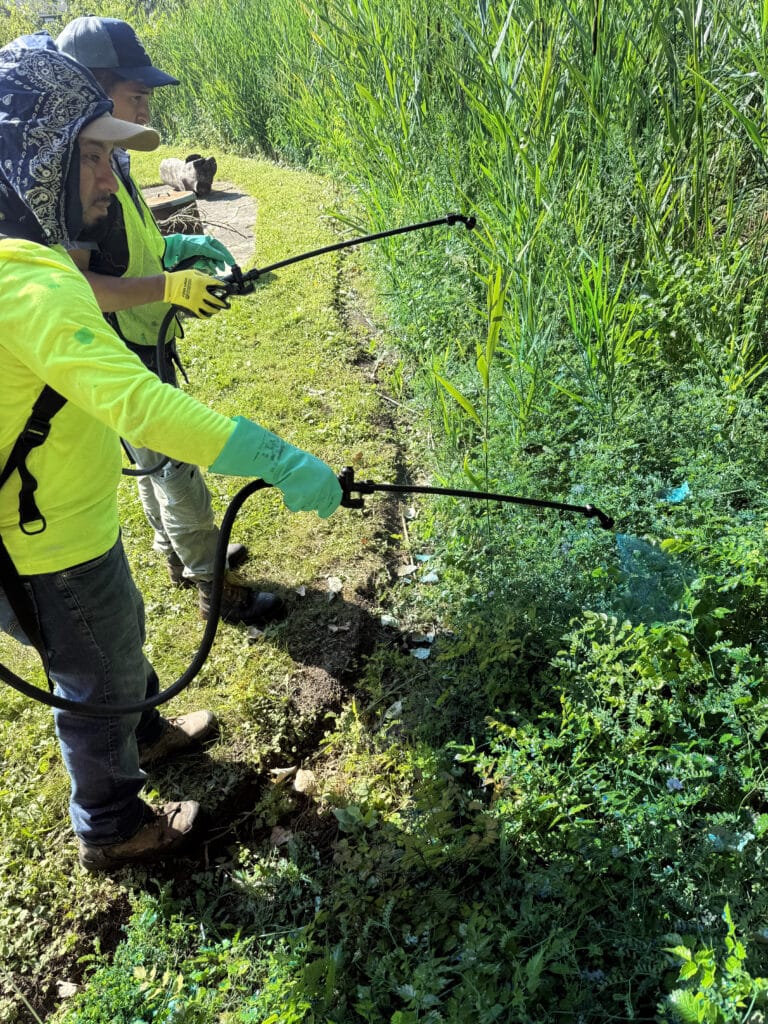
Stump treatments start working well again as summer winds down. It’s also a good time to pull or spot-treat small seedlings while the soil is soft. Female buckthorn ripens its black berries in late summer and early fall, so getting berry shrubs cut early means fewer seeds hit the ground.
Fall
This is the prime window. Buckthorn is easy to spot, treatments work, and most birds are done nesting. If you only get one round in each year, make it this one.
Winter
Good for big clearing jobs, mostly on wet ground or slopes once they’re frozen. A normal Lake County winter gives you some solid stretches of frozen ground, and those are worth grabbing. Some stump products only work above freezing and others are made for cold weather. The label says which is which, and a licensed applicator picks the right one.
Spring
Early spring is still fine for spotting buckthorn, since it greens up before most natives. By May, though, the plant is pushing hard into new growth and stump treatments work poorly. Birds are nesting too, so big clearing waits.
Early Summer
May and June are the months to skip for cut-and-treat work. Hand-pulling small seedlings in damp soil is about all that makes sense then.
Why Spring Is When People Call, and Why That’s Backwards
Most people notice their buckthorn in spring. The yard is waking up, they’re out cleaning, and suddenly that wall of green along the back fence looks like a real problem. So that’s when the phone rings.
The trouble is that spring is close to the worst time to do the work. By the time a job is quoted and scheduled, it’s May. Now you’re cutting in the window when stump treatment works worst, right in nesting season, and often on soggy ground.
The better move is to call in spring or summer, have the property walked, and put the clearing on the calendar for fall and winter. You’re not rushing, and the timing works for you instead of against you.
Here’s another part most companies don’t say out loud. Timing isn’t a one-time choice, because a buckthorn plan runs across several years.
The big clearing happens in the dormant season. Seedling follow-up happens the next summer and fall. Planting happens when the ground is ready. Each step has its own best window, and missing one can cost you a full year of progress.
That multi-season rhythm is how we plan buckthorn control from the first cut to the last check.
How Timing Fits With Burns and Replanting
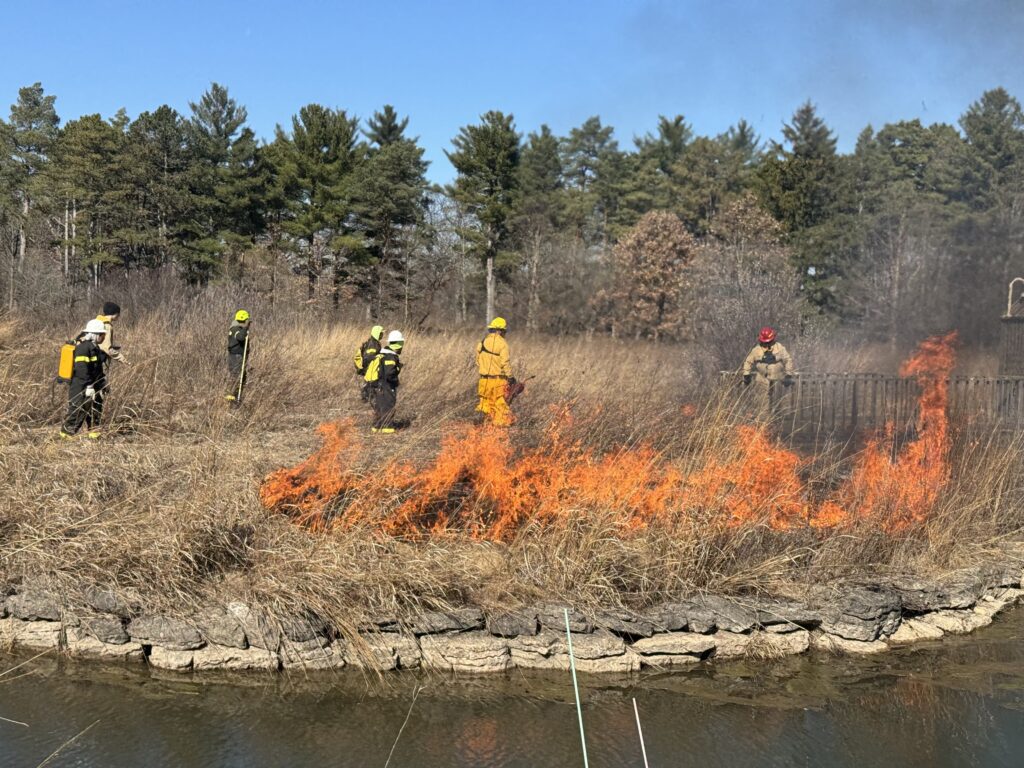
On oak woodland and prairie sites, buckthorn removal often lines up with prescribed burns. Burns usually happen in spring or fall when the weather and the dry fuel on the ground are right. A burn after the big shrubs are cleared helps knock back the flush of seedlings that comes up once sunlight reaches the soil. Our prescribed burn services fit right into that schedule.
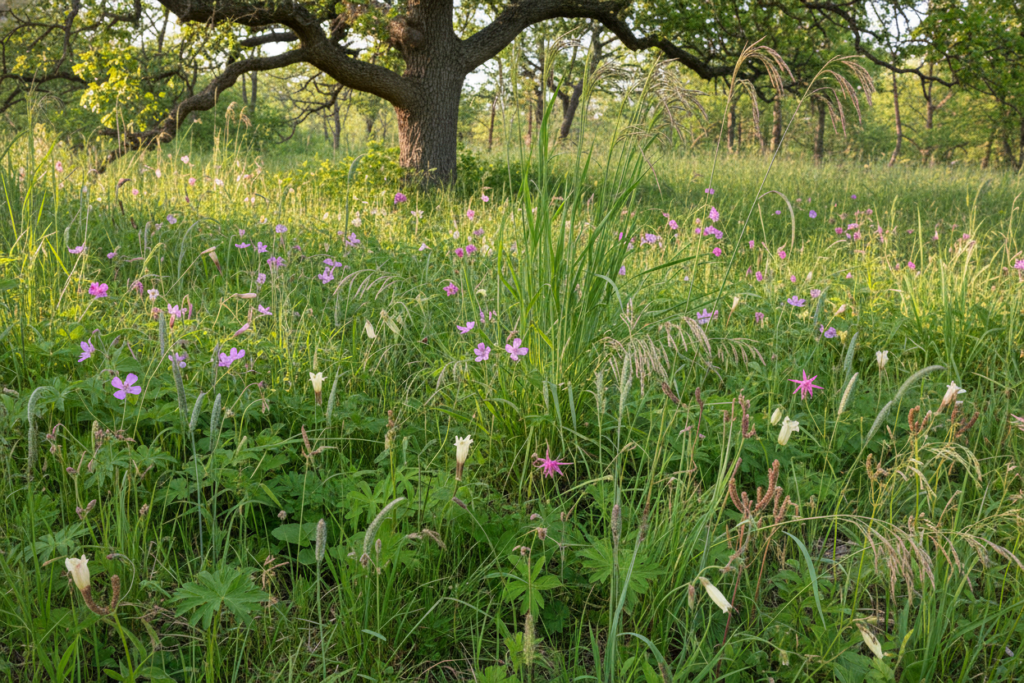
Replanting has its own calendar too. Native seed can go down in late fall or winter, when freezing and thawing work it into the soil. Plugs, shrubs and trees go in during spring or early fall, when there’s enough moisture to get roots going. Planning the clearing and the planting together keeps bare ground from sitting open too long.
If you want to do some of this yourself, fall is the best season to pull seedlings and mark what’s left. Leave anything big, anything near water, and any herbicide work to a licensed applicator, and follow the label.
Not sure what you’re looking at? University of Minnesota Extension has a helpful guide to spotting common buckthorn, including how its leaves stay green late into fall. It’s a good thing to read before your November walk.
Why Property Owners Trust Eubanks Environmental to Time Buckthorn Work Right
David has done ecological restoration and native landscape work here for about 30 years. Working with the seasons instead of against them is second nature after that long.
A good buckthorn plan is mostly a good calendar. Clearing lands in the dormant season. Seedling follow-up goes in when the seedlings are easiest to catch. Burns and plantings happen when the weather and soil allow. Because one team handles all of it, nothing sits waiting on another company’s schedule.
We do this work from our Grayslake office out to Libertyville, Mundelein, Gurnee, Lake Forest and Lake Bluff. David is also a member of Landscape Illinois.
If you’d like to see how the whole process fits together, from identifying the plants to replanting, take a look at how we clear buckthorn.
Frequently Asked Questions
Can buckthorn be removed in the summer?
It can, but it isn’t ideal for big jobs. Late spring and early summer are the weakest time for stump treatment and the busiest time for nesting birds, so summer is better spent pulling small seedlings and getting the property walked so the main clearing can happen in fall.
Is fall a good time to spray buckthorn?
Fall is one of the best times to treat buckthorn, whether that’s cut stumps or small regrowth, since the plant is moving energy into its roots and is easy to find while native shrubs are bare. Any spraying should be done by a licensed applicator following the label and kept off the native plants nearby.
Can you pull buckthorn in the winter?
Small stems are hard to pull from frozen ground, so pulling works best in early spring or fall when the soil is moist and soft. Winter is better for cutting and treating bigger shrubs, mostly on wet ground that would get torn up in other seasons.
How fast does buckthorn spread if I wait another year?
Faster than most people expect. Female shrubs drop berries every year, birds carry the seeds all over, and a few seedlings can turn into a thick patch within a few seasons, so waiting means more stems to cut and more seed building up in the soil.
Ready to Get Buckthorn on the Calendar? Here’s What to Do
If you’ve been staring at buckthorn and wondering when to deal with it, the answer is usually “plan now, cut in the cold months.” The sooner the property gets walked, the easier it is to land the work in the right window.
David will walk it with you, point out what’s buckthorn and what’s worth keeping, and build a plan that puts each step in its best season. That includes clearing, stump treatment, follow-up and native planting.
Call David at (847) 456-5604 or send a note through our contact page to get on the schedule. Calling in late summer or early fall gives you the best shot at a fall or winter start.