
Trail and Park Design Services in Round Lake, IL
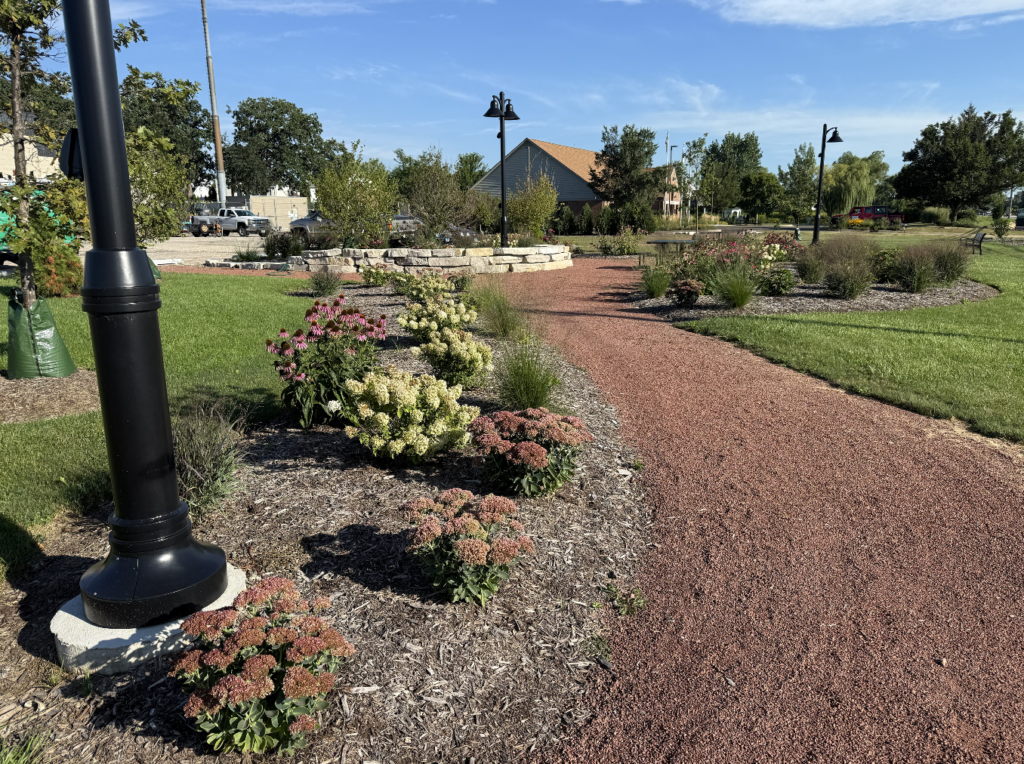
Public trails and parks deal with challenges residential landscapes don’t face. Hundreds of people using the same paths weekly. Limited maintenance budgets. Accessibility requirements. Most firms treat these like oversized residential projects and miss critical details. Trail surfaces turn into mud. Plant selections need constant replacement. Layouts create maintenance problems. We’ve designed trails and park spaces for Lake County municipalities for decades. The approach is practical—where do people want to go, how does everything connect, what native plantings handle foot traffic without weekly maintenance. Public spaces need designs that last without dedicated crews.
How Trail and Park Projects Work
Understanding Site Context and User Needs
Trail and park projects begin with understanding how people will actually use the space. Walk the property and you’ll see worn paths revealing where foot traffic naturally wants to go. These desire lines matter more than arbitrary routing. Parking access, nearby neighborhoods, and destination points all shape how trails should connect. Topography determines whether you’re dealing with flat, easy routing or grades requiring switchbacks. Existing trees might be worth designing around, or you might be working with degraded areas needing restoration. While residential and commercial landscape principles differ, public spaces demand even more durability and lower maintenance. Drainage patterns, soil quality, ecological features—all get evaluated before proposing layouts.
Trail Routing and Connectivity Planning
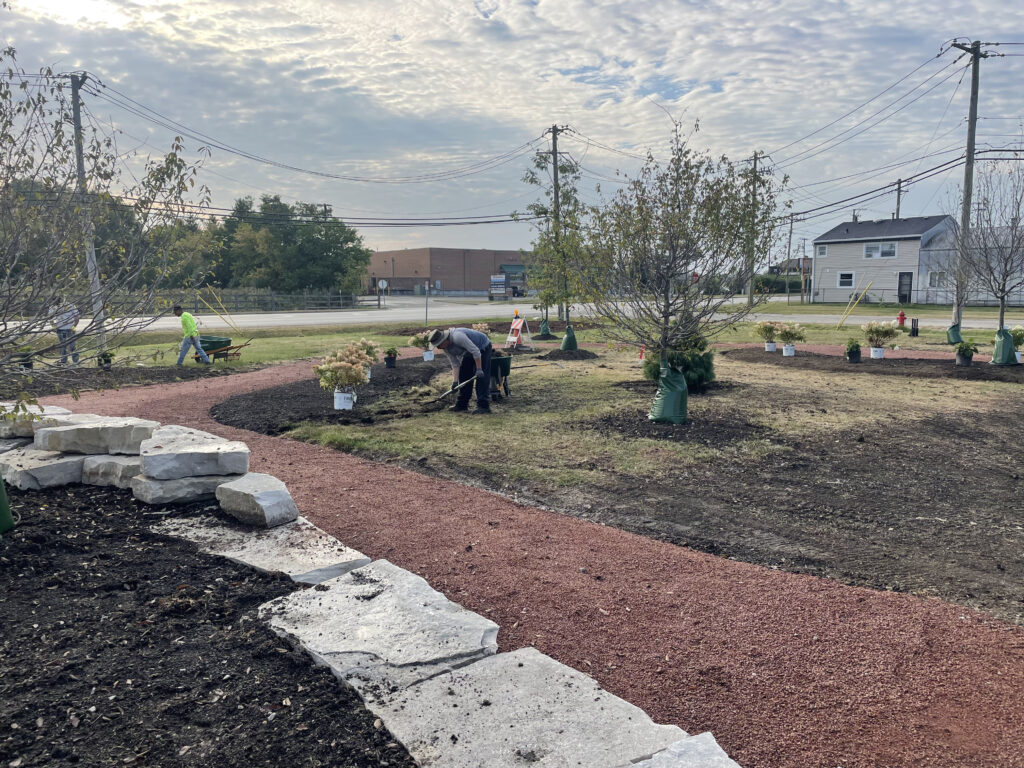
Good trail design goes beyond connecting point A to point B. Loop options let people choose their distance without retracing steps. Tying into sidewalks, parking areas, or adjacent properties increases usage dramatically. Grade changes need managing—steep sections demand switchbacks or steps with accessible bypass routes. Sightlines affect both safety and wayfinding. Trail width depends on expected use. Narrow paths work fine for nature walks. Wider routes handle bikes and joggers passing each other. The whole system should feel logical, not like someone drew random lines on a map.
ADA Compliance and Accessibility
Public trails face strict accessibility requirements that affect every decision. Running slopes, cross slopes, surface materials, turning radii—regulations cover it all. Not every trail segment needs full ADA compliance, but at least portions must meet standards. Trailhead design matters as much as the path itself. How parking connects, where signage goes, transitions from pavement to natural surface—these details determine whether the trail actually functions as accessible. Designs must meet both federal ADA requirements and Illinois trail standards for public outdoor spaces. Building these requirements into initial designs beats retrofitting later when someone complains.
Native Plantings for Public Landscapes
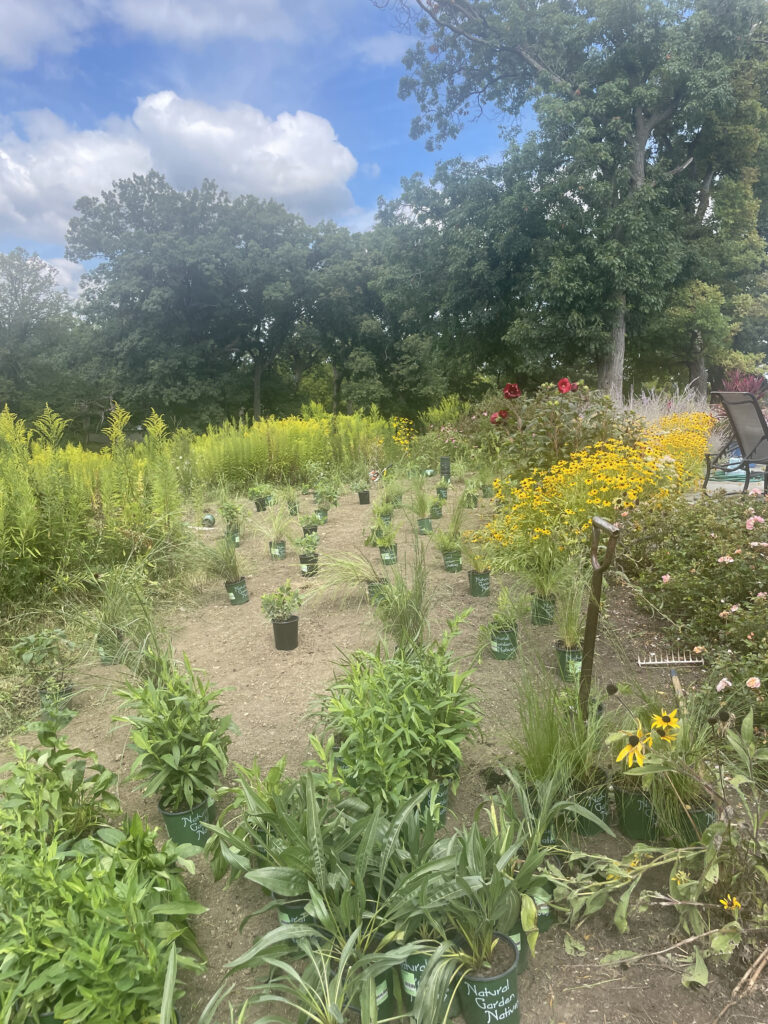
Plants in parks deal with abuse residential gardens never see. Compacted soil from foot traffic. Irregular watering. Zero fertilizer. Native species handle these conditions better than imports requiring perfect care. Prairie grasses along trail edges don’t need mowing and tolerate people cutting corners. Woodland plants work under existing tree canopy. Species considered aggressive in home gardens often make sense for naturalized park areas where you want things filling in without constant replanting.
Stormwater Management in Public Spaces
Parks generate runoff from compacted trails and parking lots. Rain gardens placed strategically handle water while looking like planned landscape features. Bioswales along paved sections manage drainage before it hits storm sewers. Grading prevents erosion on slopes. Some towns require stormwater infrastructure as part of trail permits. Making these features blend into the overall design beats having obvious engineered detention basins.
Trail Surface Selection
Surface choices create trade-offs between cost, maintenance, accessibility, and user experience. Crushed limestone works well for multi-use trails—stable enough for wheelchairs, permeable for drainage, reasonable cost. Natural surface paths run cheaper initially but demand more upkeep. Paved sections near trailheads handle heavy traffic. Boardwalks cross wetlands without environmental damage. No perfect surface exists. Each option makes sense for specific situations.
Long-Term Maintenance Considerations
Public budgets can’t support high-maintenance landscapes. Designs requiring weekly attention fail within a season or two. Native plantings slash mowing, watering, and replacement expenses. Trail surfaces need occasional regrading but shouldn’t constantly break down. Layouts must allow equipment access—crews need to reach problem areas without destroying adjacent plantings. We provide maintenance schedules showing seasonal tasks with realistic frequencies that actual municipal crews can handle.
Experience With Municipal Projects
Working with municipalities operates differently than residential or commercial clients. Board approval processes, public input sessions, grant funding timelines, bidding requirements—these realities shape how projects move forward. Three decades providing trail and park design services in Round Lake and across Lake County townships means understanding what planning committees need to see, how to navigate approval processes, and which design elements cause political headaches versus which sail through.
The difference shows in practical details. Knowing which native species work in high-traffic areas because we’ve watched them perform for years. Understanding equipment access requirements because we’ve talked with the crews maintaining these spaces. Designing wayfinding that actually helps people navigate instead of adding visual clutter. These insights come from repeated municipal work, not occasional dabbling.
Designs That Match Available Resources
Municipal budgets constrain everything. A trail design requiring specialized maintenance equipment or weekly attention fails regardless of how impressive it looks on paper. We design within the reality of what townships can actually maintain. Native plant selections reduce long-term costs dramatically. Trail layouts accommodate standard equipment. Phasing plans align with budget cycles and grant funding schedules. The goal is creating public spaces communities can sustain year after year.
Start With a Site Assessment
Trail and park projects begin with a thorough site assessment to evaluate your property’s conditions, usage patterns, and connectivity opportunities.
Call (847) 546-7353 to discuss your trail or park design needs. Projects throughout Lake County, the greater Chicago region, and neighboring areas in Wisconsin.