What Landscaping Decisions Do Homeowners in Grayslake Regret Most?
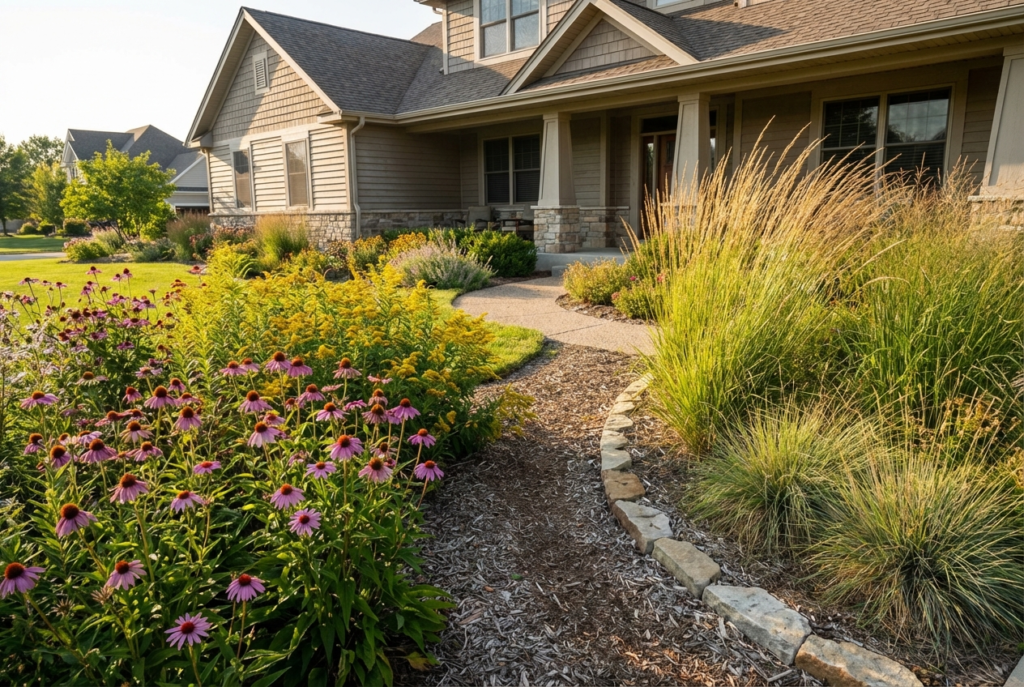
If you’re wondering what landscaping decisions do homeowners in Grayslake regret most, the answer almost always comes back to three things — choosing the wrong plants for clay soil, skipping drainage planning before hardscape goes in, and starting without a design plan. These aren’t dramatic mistakes. They’re quiet decisions made early that don’t show up as problems until year two or three — when plants are dying, the patio floods every spring, or the yard looks nothing like what was planned.
Grayslake properties have specific conditions that catch people off guard. Clay-heavy soil, hard freeze-thaw cycles, and drainage patterns that behave differently than other parts of Illinois all affect what works and what doesn’t. By the time the problems surface, fixing them costs two to three times what getting it right the first time would have.
This page covers each of those decisions in detail — what goes wrong, why it happens in this area specifically, and what a different approach looks like.
What Landscaping Decisions Do Homeowners in Grayslake Regret Most?
Choosing Plants That Don’t Belong in Northern Illinois
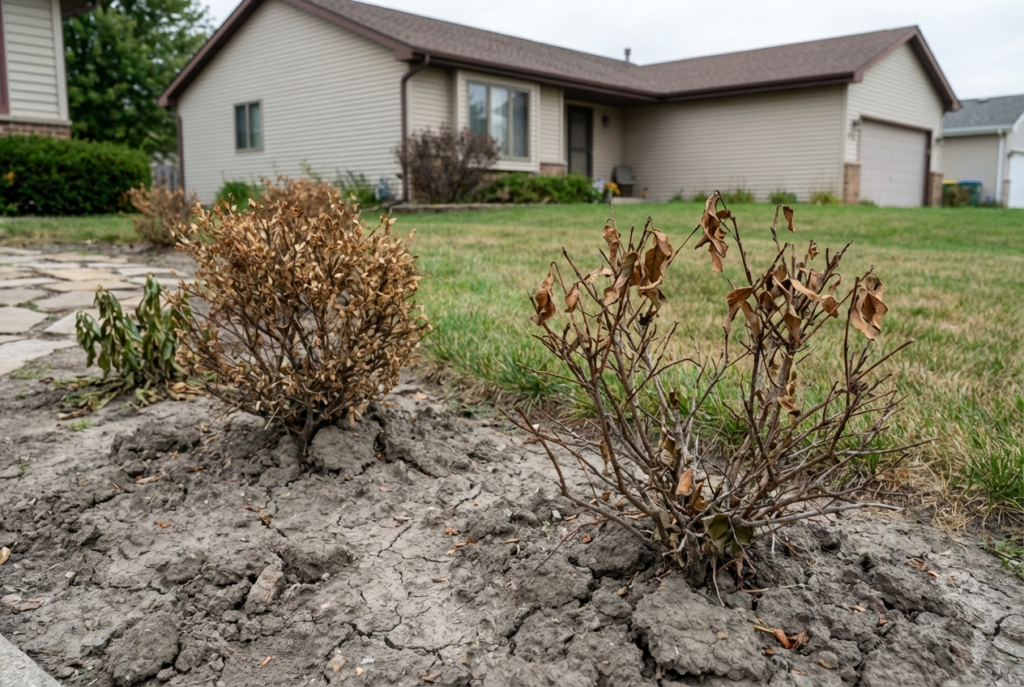
Most garden centers sell what looks good. They don’t sell what works in Grayslake clay. That’s a problem, because Lake County soil is heavy, compacted, and holds water longer than most plants can tolerate. Homeowners pick something up at the nursery because it looks great in bloom, plant it, and watch it struggle through its first summer.
The freeze-thaw cycle makes it worse. Plants that might survive clay soil in a milder climate get destroyed when the ground freezes hard, thaws, and freezes again between November and March. Root systems that weren’t built for that kind of stress don’t recover.
The plants that actually work here have deep root systems, tolerate wet feet in spring and drought in August, and don’t need babying to get through a Lake County winter. Big bluestem, Pennsylvania sedge, and Indian grass are built for these conditions. They stabilize soil, manage moisture, and come back stronger every year without replacement costs.
Choosing plants based on appearance at the garden center instead of performance in this specific soil is the single most common reason Grayslake homeowners end up replanting the same spots two and three times. Working with someone who does native plant design in Lake County before buying anything saves that cycle entirely.
Installing Hardscape Before Solving Drainage
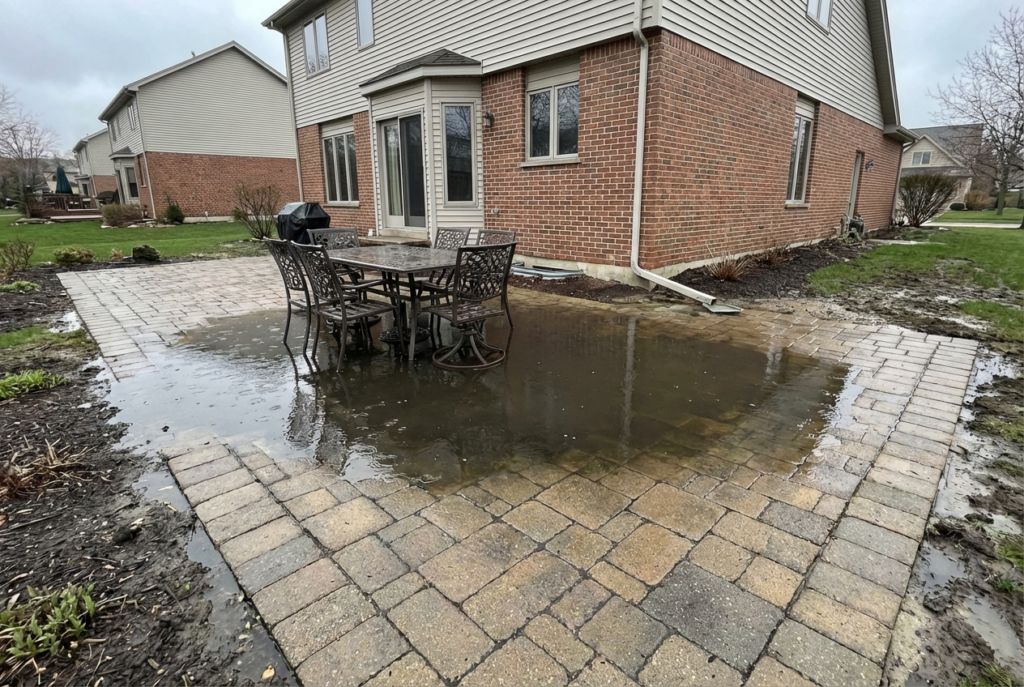
Grayslake sits in a low-lying area of Lake County with clay soil that doesn’t drain naturally. Water moves slowly through it, pools in low spots, and has nowhere to go after a hard rain. Homeowners who install a patio, retaining wall, or walkway before accounting for this end up with hardscape that floods, shifts, and fails within a few seasons.
The freeze-thaw cycle compounds the damage. Water that pools under or around hardscape freezes, expands, and moves the material. Pavers shift. Retaining walls crack. The slope that was supposed to drain away from the house starts draining toward it. These aren’t installation failures — they’re planning failures that show up after the fact.
Drainage has to be solved before hardscape goes in, not after. That means understanding where water comes from, where it needs to go, and what’s in the way. A rain garden design in Grayslake or a properly graded bioswale can move water away from structures before it becomes a problem. These solutions cost far less when they’re planned upfront than when they’re retrofitted around existing hardscape.
The sequence matters more than most homeowners realize. Drainage first, hardscape second. Skipping that order is one of the most expensive landscaping decisions a Grayslake property owner can make.
Planting Without a Long-Term Plan
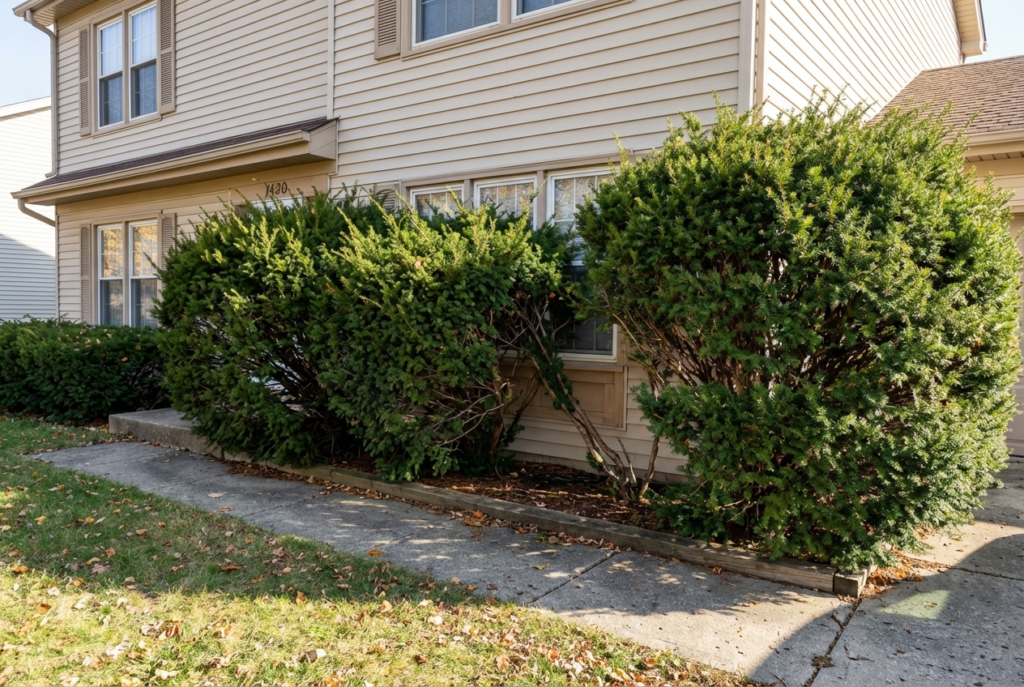
A lot of Grayslake homeowners buy a few plants each spring, fill in whatever looks bare, and call it done. It feels productive in the moment. But three years later the shrubs are crowding each other, a tree is too close to the house, and the yard needs to be redone from scratch.
Plants don’t stay the size they are at the nursery. A shrub that looks perfect in a five-gallon pot can hit six feet wide in four years. A tree planted close to a foundation because it seemed small becomes a problem that’s expensive to fix. These aren’t unusual situations — they happen constantly on Lake County properties because nobody thought through mature size before planting.
The same goes for seasonal interest. If everything you plant blooms in May, your yard looks great for three weeks and dead for the rest of the year. A plan thinks through what looks good in July, September, and even January — not just spring.
Getting landscape design help in Grayslake before buying anything is the simplest way to avoid this. It doesn’t have to be complicated. It just has to happen before the plants go in the ground — not after you’ve already made the decisions you’ll spend years correcting.
Prioritizing Curb Appeal Over Function
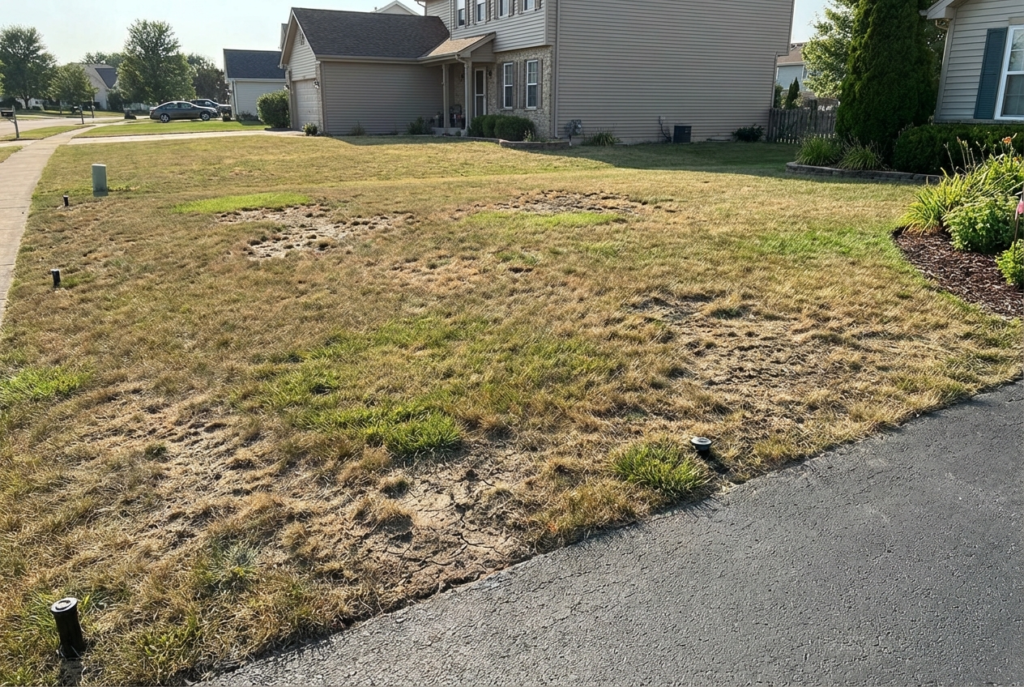
A yard that looks great in photos but doesn’t work for the people living in it is one of the most common sources of landscaping regret. Homeowners see something they like online, try to recreate it, and end up with a space that’s either impossible to maintain or doesn’t fit how they actually use their property.
Traditional lawns are a good example. A thick green lawn looks clean and appealing, but in Grayslake’s clay soil it requires constant fertilizing, aeration, and irrigation to stay that way. The maintenance cost in time and money adds up fast. And when drought hits in August — which it does in Lake County — a traditional lawn is the first thing to go brown.
Native landscapes perform differently. Deep root systems handle drought without irrigation. They manage excess moisture in wet springs without drowning. They provide habitat, reduce runoff, and require significantly less input once established. They don’t look like a golf course, but they work better for this soil and this climate than anything that does. According to the EPA WaterSense program, native plants typically use up to 50% less water than conventional landscaping once established.
Function also means thinking about how the space gets used. A beautiful patio nobody sits on because it gets full afternoon sun, or a garden bed that blocks the view from the main window — these are design decisions that prioritize appearance over livability. A professional landscape designer thinks through both at the same time.
Ignoring Maintenance Before Committing to a Design
A lot of Grayslake homeowners pick a landscape style they love in photos and don’t think about what it takes to keep up. An elaborate perennial garden with dozens of plant varieties looks incredible in June. By August it’s a full-time job.
Be honest about how many hours a week you actually want to spend in your yard. Some people love that — it’s their hobby. Most people don’t. A yard that requires more time than you have doesn’t stay beautiful for long. It becomes the thing on your to-do list you keep avoiding.
Native plantings designed for this soil and climate are the lowest-maintenance option for Lake County properties. Once established they don’t need irrigation, fertilizing, or replanting. A traditional English garden needs all three constantly. The difference in time and money over five years is significant.
A good landscape design consultation in Grayslake starts with how you actually want to use your yard — not just what looks good. That one conversation prevents a lot of regret down the road.
Trying to DIY What Requires Local Expertise
There’s a lot of landscaping work a Grayslake homeowner can handle themselves. Planting annuals, laying mulch, basic pruning — none of that requires a professional. But grading, drainage, soil assessment, and design planning are different. These require someone who knows what Lake County clay does in a wet spring, how freeze-thaw cycles affect hardscape, and which plants actually survive here long term.
The cost of fixing DIY drainage work that failed, or replacing plants that weren’t right for the soil, almost always exceeds what a professional consultation would have cost upfront. This isn’t about capability — it’s about information. A homeowner who hasn’t worked in this soil for decades is making decisions without the data that comes from that experience.
Lake County also has permit requirements for certain landscape work — grading changes, work near wetlands, and some retaining wall installations require approval before anything gets built. Missing those requirements creates problems that are expensive and time-consuming to resolve after the fact.
The best use of a landscape designer in Grayslake isn’t to hand over every decision. It’s to get the planning and sequencing right before any money gets spent on materials or installation. That one step prevents most of the mistakes on this page.
If you’re planning a landscape project in Grayslake and want to get it right the first time, reach out to our landscape design team before the first plant goes in the ground. A single conversation about your property, your soil, and your goals costs far less than fixing decisions you’ll regret later.