What Landscaping Mistakes Do Grayslake Homeowners Make Before the First Plant Goes in the Ground?
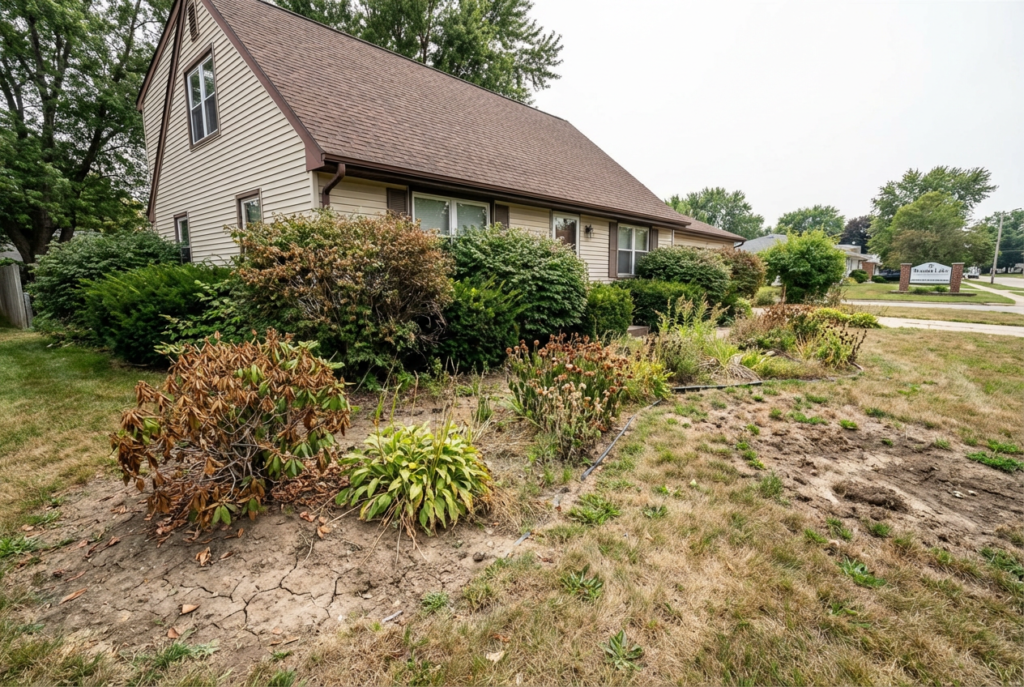
Wondering what landscaping mistakes do Grayslake homeowners make before the first plant goes in the ground? This usually almost always comes down to the same things — no plan, wrong plants for the soil, drainage skipped before hardscape, and designs that don’t account for what the yard looks like in October. These aren’t installation failures. They’re planning failures that don’t show up until year two or three when the money is already spent and the decisions are already in the ground.
Grayslake and Lake County properties have specific conditions that make pre-planting decisions more consequential than most homeowners realize. Clay soil that doesn’t drain the way plants expect, freeze-thaw cycles that destroy root systems not built for it, and drainage patterns that behave differently than other parts of Illinois — these conditions mean that what you decide before the first plant goes in determines whether the project works long term.
This page covers the most common pre-planting mistakes Grayslake homeowners make — and what getting it right before anything goes in the ground actually looks like.
TLDR:
- Starting without a design plan creates a disconnected yard that costs more to fix than plan
- Choosing plants based on appearance instead of performance in Lake County clay leads to repeated replacement
- Skipping drainage before hardscape goes in costs 2-3x more to fix after the fact
- Not accounting for mature size means overgrown foundations and crowded walkways within a few years
- Planting only for spring leaves the yard looking bare for eight months of the year
- Underestimating maintenance before committing to a design creates a yard you resent instead of enjoy
What Landscaping Mistakes Do Grayslake Homeowners Make Before the First Plant Goes in the Ground?
Not Having a Plan Before the First Plant Goes In
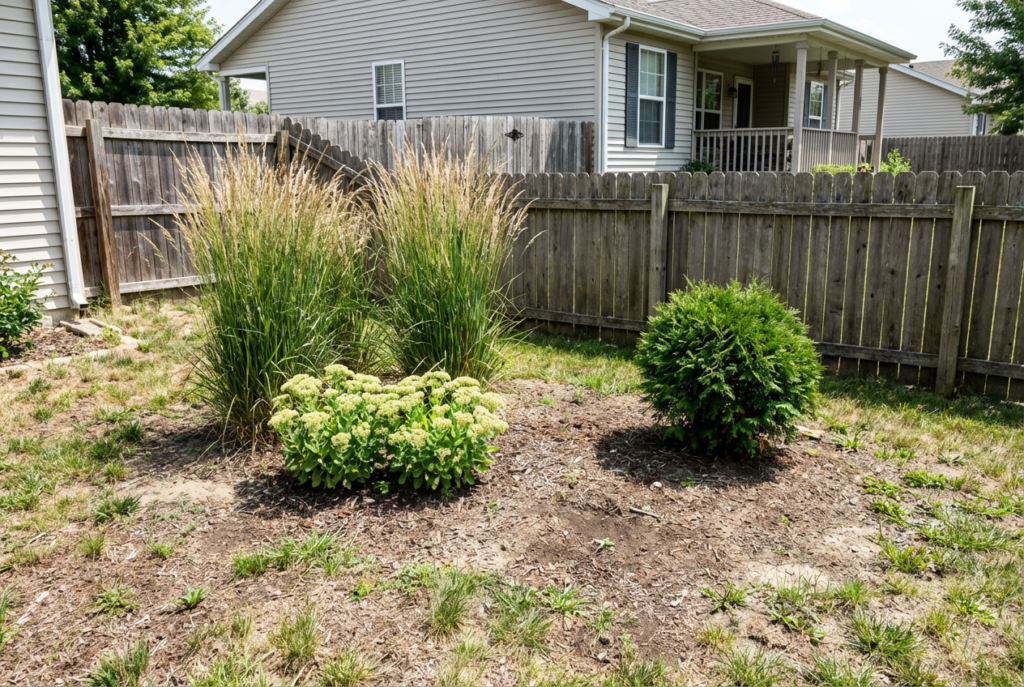
Most Grayslake homeowners don’t start a landscaping project without any intention of planning. They just plan as they go — a bare spot gets a shrub, a corner looks empty so something goes in, a sale at the garden center leads to three plants that end up in the ground because they were there. Three years later the yard has things in it but doesn’t work as a whole. It was never designed — it was accumulated.
That piecemeal approach creates problems that compound over time. The shrub that filled the bare spot is now crowding the walkway. The plants bought on impulse at three different garden centers don’t relate to each other visually or ecologically. The drainage problem that showed up after the patio went in wasn’t accounted for because nobody thought about drainage before the patio went in.
A design plan doesn’t have to be elaborate. It doesn’t require a full landscape architecture drawing before you’re allowed to buy a plant. It just has to answer a few questions before money gets spent — where does water move on this property, what are the soil conditions, what needs to happen before hardscape goes in, what size will these plants be in five years, and what should the yard look like in January not just May. Those questions answered before the first purchase prevent most of the mistakes on this page.
The cost of replanning after installation is almost always higher than the cost of planning before it. Plants that have to come out, hardscape that has to be pulled up to fix drainage underneath, trees that have to be removed because they were planted too close to the foundation — these corrections cost two to three times what getting the sequence right upfront would have cost. A conversation with someone who does this work in Grayslake before the first plant goes in costs far less than fixing the decisions made without one.
Choosing Plants Based on Appearance Instead of Soil Performance
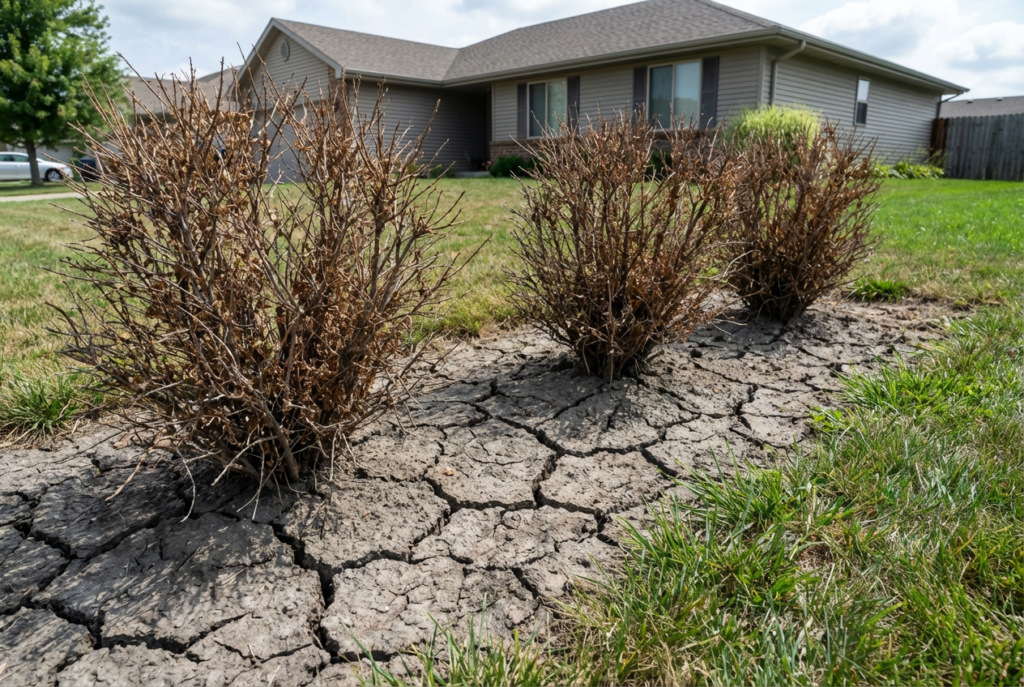
The garden center is where most Grayslake landscaping mistakes begin. Not because the plants are bad — because nobody at the register is going to tell you which ones will fail in Lake County clay. The tag says sun or shade, wet or dry, and that’s about it. What it doesn’t say is whether the root system can handle being waterlogged in April, bone dry in August, and frozen hard three times between November and March.
Clay soil in Grayslake holds water longer than most plants tolerate. It compacts under foot traffic. It drains slowly after rain and bakes hard in summer drought. Plants that perform well in loamy soil two counties south struggle here. Plants that survive mild clay conditions in central Illinois get destroyed by the freeze-thaw cycle up here. That cycle — ground freezing, thawing, freezing again across a Lake County winter — breaks root systems that weren’t built for it. You don’t find out until spring when the plant doesn’t come back.
The plants that actually perform in this soil have deep root systems that tolerate both wet springs and dry summers. Big bluestem, Pennsylvania sedge, coneflower, wild bergamot, and native prairie grasses are built for these conditions. They don’t need replacing every two years. They don’t need irrigation once they’re established. They get stronger each season instead of weaker. Choosing them over ornamentals that look better at the nursery in May saves most homeowners more in replacement costs within three years than a professional consultation would have cost before the first purchase.
The mistake isn’t buying the wrong plant once. It’s buying it, losing it, replacing it with something similar, losing that too, and spending three rounds of plant money before accepting that the soil conditions here require a different approach. According to the University of Illinois Extension, plant selection based on local soil and climate conditions is the single most important factor in long-term landscape success in northern Illinois.
Skipping Drainage Before Hardscape Goes In
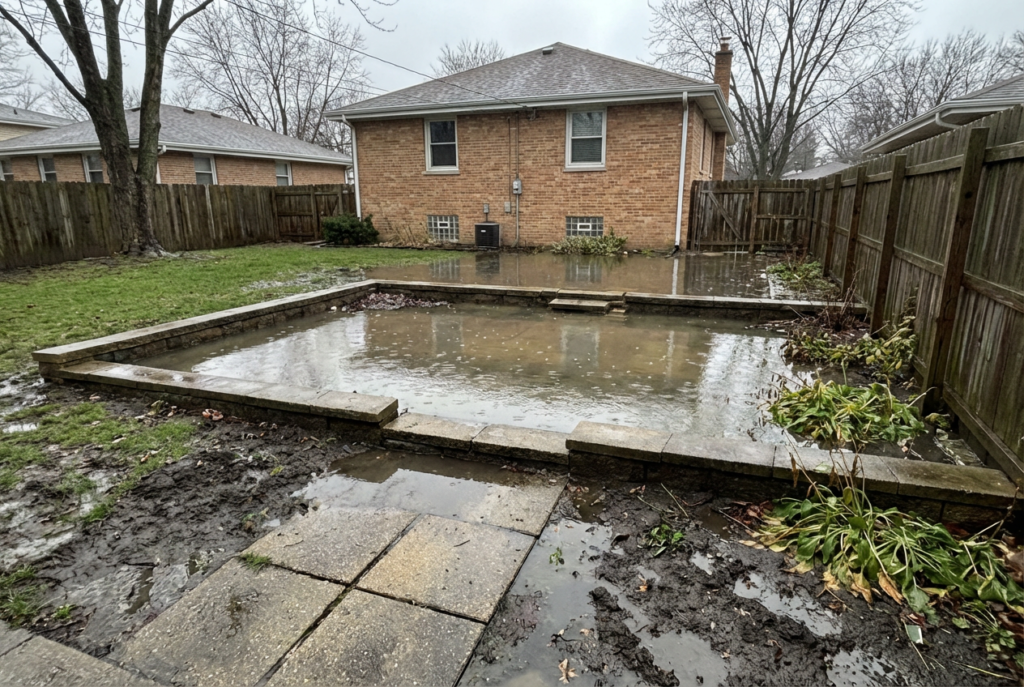
Grayslake sits in a low-lying part of Lake County where water moves slowly and clay soil makes it worse. After a hard rain, water pools in low spots, saturates the clay, and stays there longer than most homeowners expect. Most don’t think about this until the patio floods, the retaining wall starts leaning, or the basement takes on water every spring. By then the hardscape is already in the ground and fixing the drainage means pulling it up.
The sequencing mistake is almost always the same. The patio goes in first because that’s the exciting part. The walkway goes in. The retaining wall goes in. Drainage gets figured out later — or doesn’t get figured out at all. A few seasons later the pooling starts, the pavers shift from freeze-thaw pressure on saturated soil underneath, and the slope that was supposed to drain away from the house is draining toward it. These aren’t installation failures. The work was done correctly. The problem is that drainage wasn’t solved before any of it went in.
Getting drainage right before hardscape is a sequencing decision, not a design decision. It means understanding where water comes from on a specific lot, where it needs to go, and what’s in the way before a single paver gets laid. A rain garden in the right spot, a properly graded bioswale, or a French drain installed before the patio goes in costs a fraction of the same solution retrofitted around existing hardscape. The hardscape often has to be partially removed to fix what’s underneath — and that’s not a small job on a Lake County property where the clay soil made the original drainage problem worse.
Drainage first, hardscape second. That sequence prevents the most expensive mistake most Grayslake homeowners make before the first plant goes in — and it’s a decision that has to happen before anything else does, not after the problems show up.
Not Accounting for Mature Size on Lake County Properties
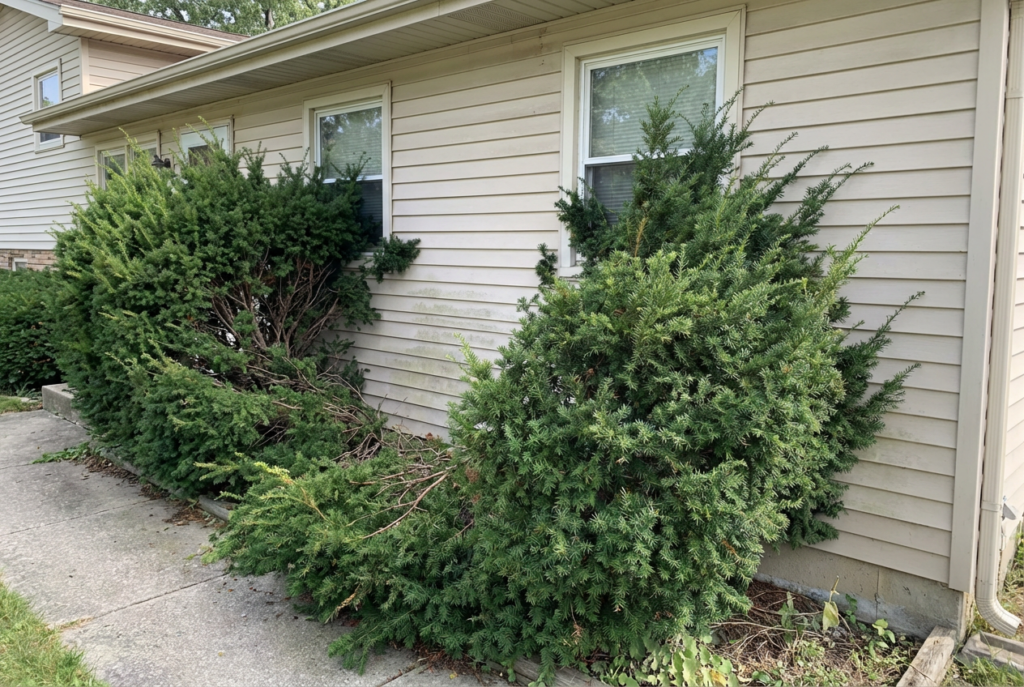
A shrub that looks perfect in a five-gallon pot at the nursery can hit six feet wide in four years. A tree planted eight feet from the foundation because it seemed small becomes a structural problem within a decade. These aren’t unusual situations on Lake County properties — they happen constantly because nobody thought through mature size before anything went in the ground.
The nursery size problem is one of the most consistent mistakes David sees on first property assessments. A homeowner wanted the yard to look full immediately so they planted generously. Five years later the shrubs are pressing against the siding, blocking the windows, and crowding each other to the point where pruning is a weekly maintenance commitment just to keep things manageable. The plants that looked intentional at installation look overwhelming at maturity — and fixing it means removing established plants, which costs more than spacing them correctly in the first place.
Trees are where this mistake gets expensive. A fast-growing ornamental tree planted close to a foundation because it was three feet tall at purchase can have roots interfering with the foundation within ten years. A tree planted under a utility line because it looked manageable at installation needs removal when it reaches full height. These aren’t problems that develop slowly enough to catch early — by the time the issue is obvious the tree is established and removal is a significant cost.
The fix is straightforward but requires knowing mature sizes before making purchases. Getting that information from someone who works with these plants in Lake County conditions before anything goes in the ground prevents the overgrowth cycle that costs most homeowners more in removal and replacement than the original planting did.
Planting for Spring and Ignoring the Other Three Seasons
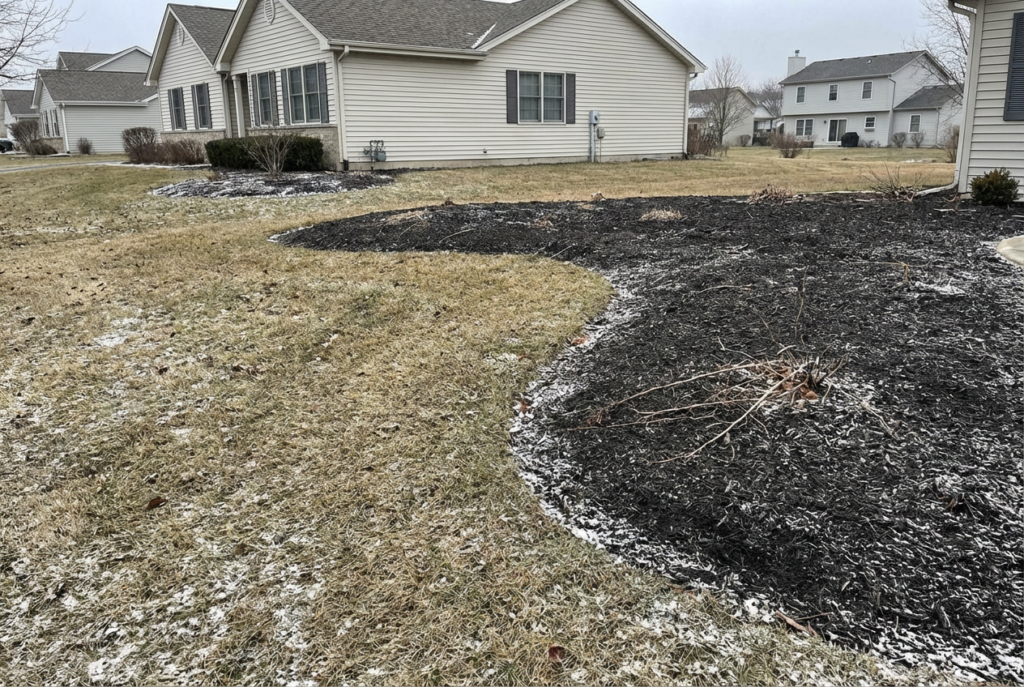
Everything looks good in May. That’s the problem. Homeowners go to the nursery in spring, buy what’s in bloom, plant it, and end up with a yard that looks great for three weeks and bare or brown for the other eleven months. It’s one of the most common landscaping mistakes in Grayslake — and one of the easiest to prevent if the planning happens before the purchasing does.
Northern Illinois winters are long and hard. From November through March the yard is visible from inside the house every single day. A design that accounts only for spring color leaves nothing of interest during the six months when most people are looking at the yard through a window rather than spending time in it. Bare stems, dead ornamental grasses that haven’t been cut back, and empty mulched beds don’t communicate a well-designed landscape — they communicate a decision that was made at the garden center in April without thinking past June.
The plants that provide year-round interest in Lake County are native species with structure that holds through winter. Big bluestem and native grasses hold their form through January and provide movement in winter wind. Coneflower seed heads feed birds through December. Serviceberry provides early spring bloom before anything else wakes up, summer fruit, and fall color. Designing around these species rather than ornamentals that peak in May and disappear by August produces a yard that earns its keep across all four seasons.
Seasonal planning also affects hardscape decisions made before planting. Where does afternoon sun hit the patio in July? Where does the yard get icy in January? A design that accounts for how the space gets used in August and February — not just May — produces something that actually works for the people living in it year round. These are decisions that have to happen before plants go in, not after the first winter reveals the gaps.
Underestimating Maintenance Before Committing to a Design
A lot of Grayslake homeowners commit to a landscape design based on how it looks in photos without thinking through what it takes to keep it looking that way. An elaborate perennial garden with dozens of species looks incredible in June. By August it’s a full-time job. By the following spring the homeowner is already dreading the season instead of looking forward to it.
Maintenance requirements vary dramatically between design styles and plant choices. A traditional lawn in Grayslake clay requires constant fertilizing, aeration, and irrigation to stay green through a dry August. It needs overseeding every fall to fill in the bare patches that summer drought creates. It requires herbicide applications to stay ahead of the weeds that thrive in compacted clay. The time and money commitment to keep a traditional lawn looking good in Lake County conditions is significant — and most homeowners underestimate it before the first season.
Native landscapes perform differently. Deep root systems manage moisture without irrigation once established. Reduced weed pressure after the first few seasons as native plants fill in and crowd out competition. No fertilizing, no aerating, no overseeding. According to the EPA WaterSense program, native plants typically use significantly less water than conventional landscaping once established, and require far less ongoing input to maintain their appearance.
The maintenance conversation has to happen before the design gets built — not after the first season reveals that the yard requires more time than you have. Be honest about how many hours a week you want to spend outside maintaining the landscape versus enjoying it. A good design accounts for that answer before a single plant goes in the ground. One that doesn’t creates a yard that looks great on day one and becomes a burden by year two.
What Getting It Right Before the First Plant Goes In Actually Looks Like
Every mistake on this page has the same root cause — decisions made without enough information about the specific property, the specific soil, and the specific conditions that make Grayslake and Lake County different from everywhere else. Getting it right before the first plant goes in isn’t complicated. It just requires asking the right questions before anything gets purchased or installed.
It starts with a site assessment. Someone who knows Lake County soil walks the property and looks at what’s actually happening — where water moves after a hard rain, what the soil conditions are, what’s already growing and whether it’s worth keeping, where the sun hits different parts of the yard at different times of day. That information drives every decision downstream. Without it, the decisions are guesses.
Drainage gets evaluated before anything else. Where water goes on a Grayslake property determines what hardscape can go in, where it can go, and in what order. A property that drains toward the house needs that addressed before a patio, walkway, or retaining wall goes anywhere near the problem area. Getting that sequence wrong is the most expensive pre-planting mistake on this list.
Plant selection happens after soil conditions and drainage are understood — not before. Which plants perform in Lake County clay, which ones handle the freeze-thaw cycle, which ones provide interest in January and not just May, which ones fit the space at mature size and not nursery size. These questions have answers that are specific to this area and this soil. A designer who has worked in it for decades knows them. A homeowner making decisions at the garden center in April doesn’t.
Maintenance commitment gets discussed before design decisions. A yard that fits your actual schedule stays a yard you enjoy. One that requires more time than you have becomes a burden within a season.
If you’re planning a landscape project in Grayslake and want to get those questions answered before the first plant goes in the ground, talking to someone who knows this soil is the most useful thing you can do before spending any money on plants or materials.