
What is the Difference Between a Garden Designer and a Landscape Designer?
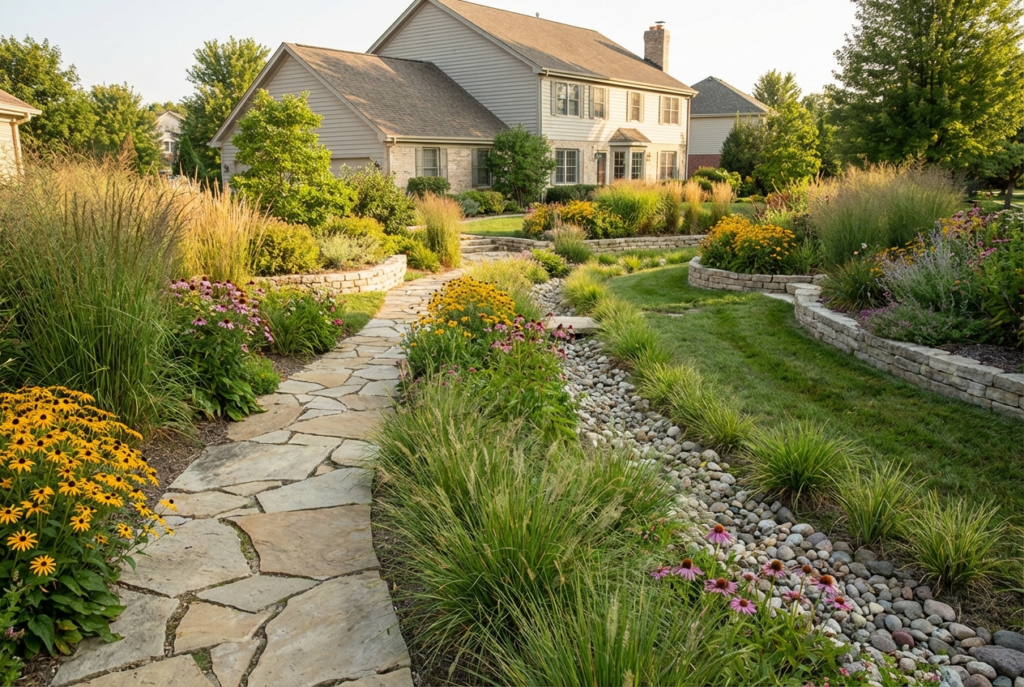
So, you’re probably wondering what is the difference between a garden designer and a landscape designer is scope. A garden designer focuses on planting schemes, flower beds, and how an outdoor space looks. A landscape designer handles all of that plus drainage, grading, hardscape, ecological systems, and long-term property planning. For most Grayslake and Lake County properties, a landscape designer is the right call because clay soil, drainage challenges, and permit requirements go beyond what garden design covers.
Most homeowners don’t know there’s a difference until they’ve already hired the wrong one. By then the underlying problems — drainage that wasn’t addressed, hardscape that wasn’t planned correctly, permits that weren’t pulled — are already in the ground and expensive to fix.
This page breaks down exactly what separates the two and why it matters for properties in this area specifically.
TLDR:
- Garden designers focus on plants, aesthetics, and how a space looks
- Landscape designers cover plants plus drainage, grading, hardscape, and ecology
- Grayslake clay soil and drainage conditions require landscape design expertise
- Permit requirements in Lake County go beyond garden design scope
- Most Lake County residential properties need a landscape designer not a garden designer
What is the Difference Between a Garden Designer and a Landscape Designer?
What a Garden Designer Actually Does
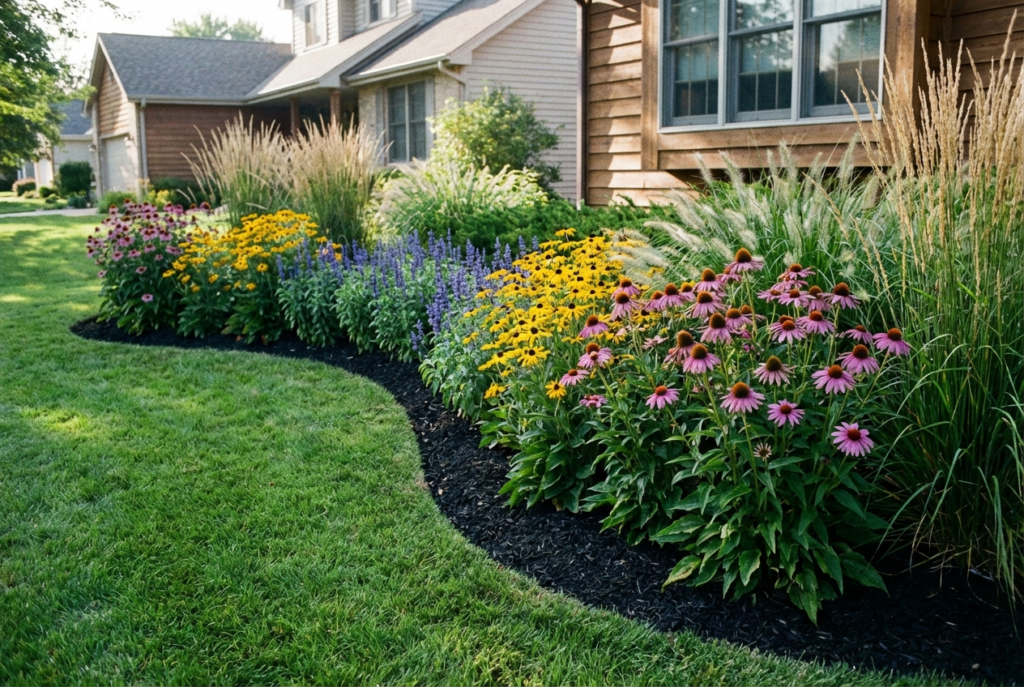
A garden designer’s work centers on plants and how they look together. Which species go where, what blooms in May versus August, how colors and textures play off each other across the seasons. It’s skilled work that requires deep plant knowledge and a strong eye for composition. A good garden designer can turn a bare yard into something that feels intentional and beautiful.
Where garden design stays focused is on the surface — what grows, where it goes, and how it looks. Soil drainage, grading, hardscape sequencing, permit requirements, and ecological systems aren’t typically part of the scope. For properties where the main goal is a more beautiful planting scheme, that’s perfectly fine. For properties where the underlying conditions need to be addressed first, it’s where the limitation shows up.
The limitation of garden design isn’t a flaw — it’s just a boundary. A garden designer who specializes in ornamental planting and residential aesthetics is exactly the right person for a project that starts and ends with plants. The problem shows up when a homeowner assumes that scope covers everything their property needs. In Grayslake, it usually doesn’t. Clay soil, drainage problems, and ecological considerations don’t disappear because the planting scheme looks good. They show up later — when the plants start dying, when the bed floods, when the retaining wall that went in without permits gets flagged by the municipality.
What a Landscape Designer Brings That Goes Beyond the Garden
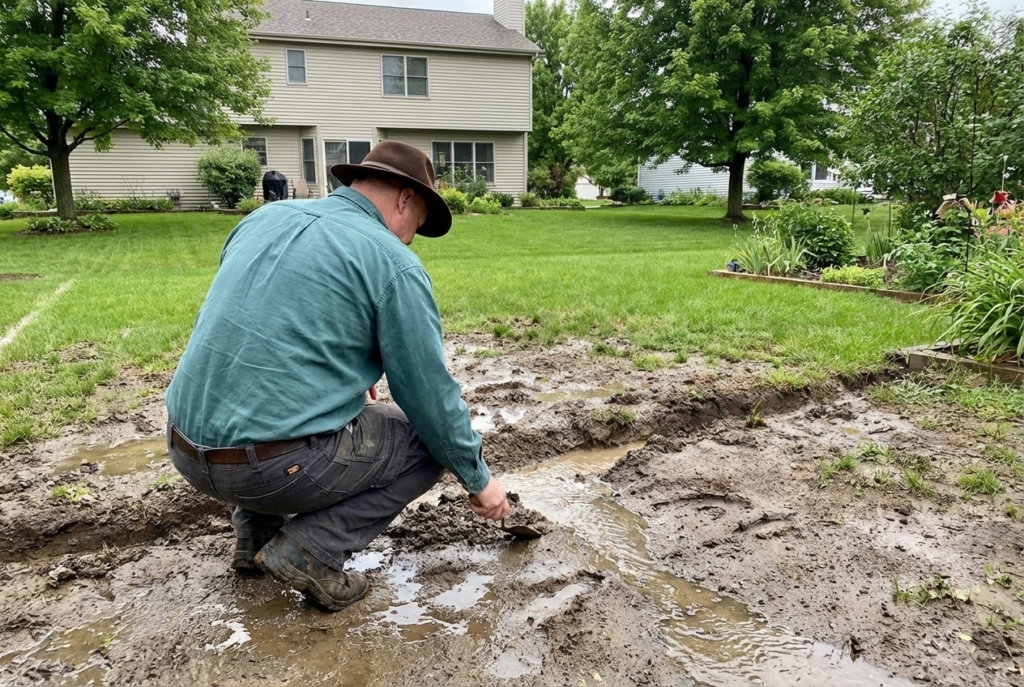
A landscape designer works at a broader scale than a garden designer. Plants are part of it — but so is everything the soil, water, and site throw at a property. Drainage, grading, hardscape planning, ecological systems, permit coordination, and long-term property planning all fall within landscape design scope. It’s the difference between designing what a yard looks like and designing how a yard works. According to the Association of Professional Landscape Designers, landscape designers are trained to address the full range of site conditions — from soil and drainage to hardscape and ecology — not just the aesthetic elements of planting design.
Where garden design stays at the surface, landscape design goes underneath it. A landscape designer thinks about where water moves on a property before a patio goes in. They account for mature plant size, seasonal interest, and maintenance requirements before anything gets planted. They know which permit thresholds apply to grading changes and retaining wall installations in Lake County before a shovel hits the ground.
David Eubanks has worked as a landscape designer in Grayslake and Lake County for over 30 years. The scope of that work goes well beyond planting schemes — it includes ecological restoration, shoreline stabilization, prescribed burns, and drainage planning on properties where the underlying conditions drive every design decision. That’s landscape design territory, not garden design territory. See what that looks like in practice.
That breadth of scope is what separates a landscape designer from a garden designer on properties where the site conditions drive the design. On a Grayslake property with clay soil, slow drainage, and proximity to a wetland, the design decisions start underground and work upward. What’s the soil doing? Where does the water go after a hard rain? What grading changes need to happen before hardscape goes in? What permit thresholds apply to this specific site? A landscape designer answers those questions before the first plant gets selected. A garden designer typically starts after them — which means those questions often don’t get answered at all.
Where the Two Overlap and Where They Don’t
Both garden designers and landscape designers work with plants. Both serve residential clients. Both care about how an outdoor space looks and feels. On a straightforward project — a new planting bed, a border redesign, a small garden space that just needs fresh plant selection — either professional might be the right call depending on what the property actually needs.
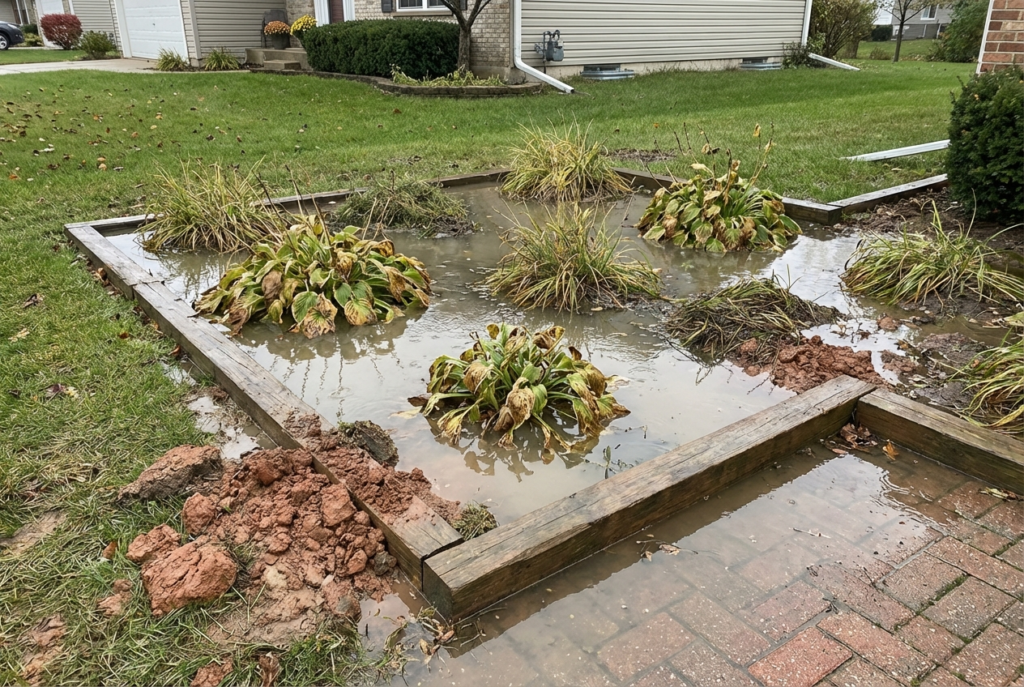
The lines start to diverge when the project gets more complex. A garden designer who gets called in to redesign a planting bed and discovers the bed floods every spring is now outside their scope. The drainage problem has to be solved before the planting problem. That’s landscape design work. A homeowner who hires a garden designer for a property near a wetland may not know that permit requirements apply to work within the buffer zone. A landscape designer who knows Lake County regulations does.
The simplest way to think about it is this — if your project starts and ends with plants, a garden designer may be all you need. If your project involves anything the soil, water, or site is doing underneath the plants, you need a landscape designer. Most Grayslake properties fall into the second category because of the clay soil conditions, drainage patterns, and ecological considerations that come with this part of Lake County.
If you’re not sure which one applies to your property, the answer usually becomes clear pretty quickly once someone who knows this area looks at the site.
What Happens When You Hire the Wrong One
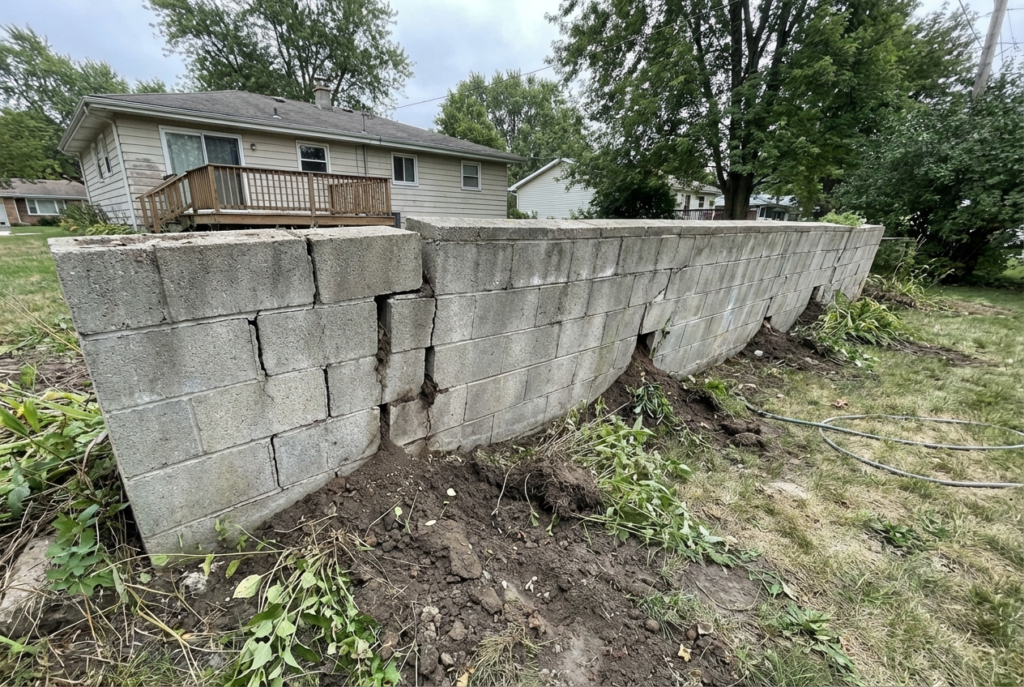
Most homeowners who hire a garden designer for a project that needed a landscape designer don’t realize the mismatch until something fails. The planting scheme looks great at installation. Six months later the bed is flooding because the drainage was never addressed. A year later half the plants are dead because the soil conditions weren’t factored into the selection. Two years later the retaining wall that went in as part of the garden redesign is starting to lean because it wasn’t engineered for the clay soil pressure behind it.
None of these failures are the garden designer’s fault — they’re a scope mismatch. A garden designer working within their expertise did exactly what they were hired to do. The problem was that the project needed someone working at a broader scale from the start.
The cost of that mismatch on a Grayslake property is almost always higher than the cost of bringing in the right professional upfront. Retrofitting drainage around existing plantings, removing and reinstalling hardscape that wasn’t engineered correctly, and dealing with permit issues after the fact all cost significantly more than addressing them before the design gets built. That’s the practical reason the distinction between garden design and landscape design matters — not as a credential conversation, but as a way of making sure the professional you hire can actually solve the problems your property has.
Why Most Grayslake Properties Need a Landscape Designer
Grayslake sits in a low-lying part of Lake County with clay-heavy soil, slow drainage, and proximity to wetlands and natural areas that add regulatory considerations most garden designers aren’t equipped to navigate. These aren’t edge case conditions — they’re the standard on most residential properties in this area. That’s what makes the distinction between garden design and landscape design matter more here than it might in other parts of Illinois.
Clay soil doesn’t behave the way most plants expect. It holds water too long in spring, bakes hard in summer, and puts root systems through freeze-thaw stress every winter that eliminates plants not specifically suited to these conditions. Getting plant selection right on a Grayslake property requires someone who knows this soil — not just someone who knows plants generally.
Drainage problems on Grayslake properties aren’t decorative issues. They’re structural ones. A flooded patio, a retaining wall that’s starting to lean, a basement that takes on water every spring — these are landscape design problems, not garden design problems. Solving them requires understanding how water moves across a specific site, what the grading needs to accomplish, and how hardscape and plantings work together to manage it.
Permit requirements add another layer. Lake County has specific ordinances for grading, steep slope work, and wetland buffers that vary by municipality. A landscape designer who has worked in this area for decades knows those requirements before the plan gets drawn. A garden designer typically doesn’t.
That combination of clay soil, drainage challenges, wetland proximity, and municipal permit requirements makes Grayslake and Lake County properties a poor fit for garden design as the primary approach. It’s not that garden designers can’t work here — it’s that the underlying site conditions require someone whose scope includes the things garden design doesn’t cover. Getting that right from the start means the planting scheme, the hardscape, the drainage, and the ecology all work together instead of each being addressed separately after the previous one creates a problem.
If you’re working on a Grayslake property and want to make sure you’re bringing in the right expertise from the start, take a look at what landscape design services actually cover before making that call.