
Garden Design Services in Round Lake, IL
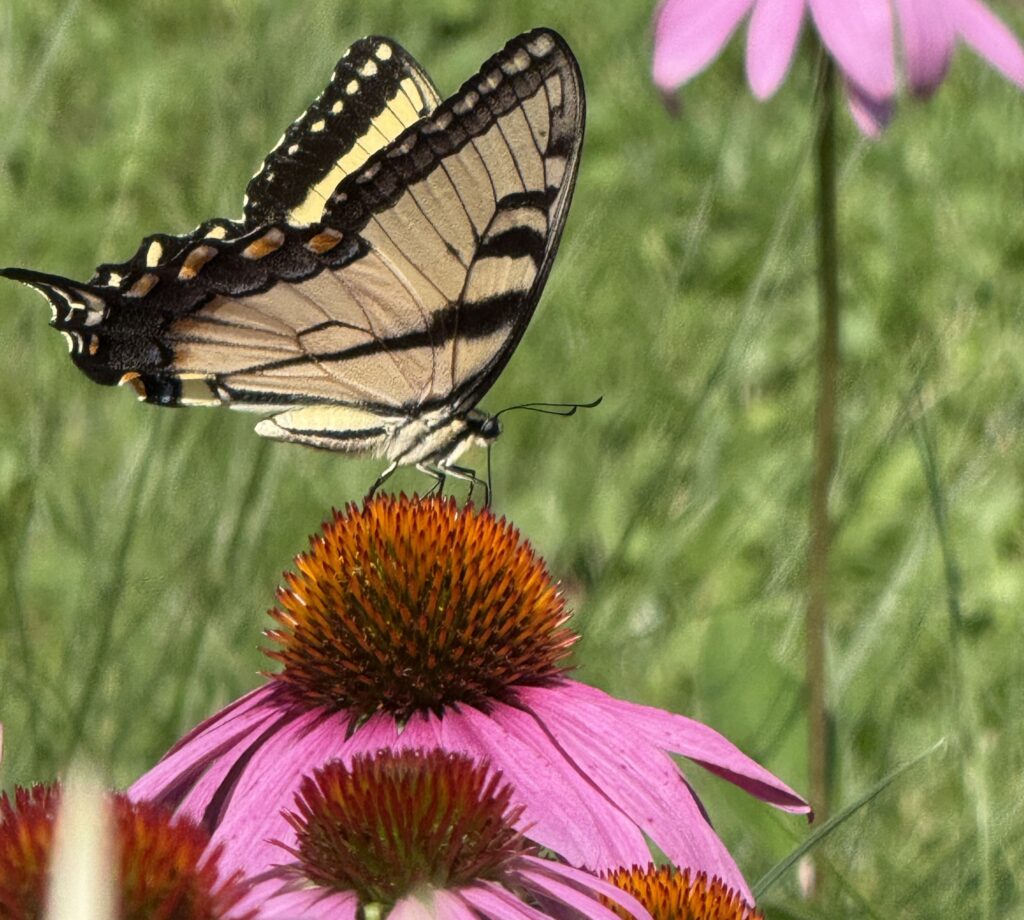
Most people want butterflies visiting their yard. They want birds eating seeds in fall. They want flowers blooming from spring through frost. Then they plant whatever looks good at the nursery and wonder why nothing shows up. Gardens that attract wildlife need specific plants at specific times. Monarchs need milkweed. Goldfinches pull seeds from coneflowers and black-eyed Susans. Native bees work asters and mountain mint that ornamental flowers ignore. Thirty years of designing these gardens across Illinois taught us which combinations actually work—not just what looks pretty for two weeks then dies.
Designing Gardens That Thrive
Understanding What You Want From Your Garden
Start by figuring out what you actually want. “Pretty flowers” doesn’t tell us much. Do you want monarch butterflies? Birds eating seeds all winter? Hummingbirds in July? Flowers you can cut for your kitchen table? Something that doesn’t need you out there deadheading every weekend? These answers change everything about what gets planted. Butterfly gardens need milkweed for caterpillars, not just nectar flowers. Bird gardens keep dead seed heads standing through winter instead of cutting everything back in fall. What you want determines what we plant.
Plant Selection for Bloom Timing
Bad gardens bloom for two weeks then look empty the rest of summer. Good gardens show color from April through October. Bloodroot and Virginia bluebells start things in early spring. Black-eyed Susans and coneflowers take over by July. Asters and goldenrod finish the season in fall. This doesn’t happen by accident. It takes knowing when dozens of plants bloom and mixing them so something’s always flowering. Many of these native plant choices keep color going while feeding pollinators all season long.
Supporting Pollinators and Wildlife
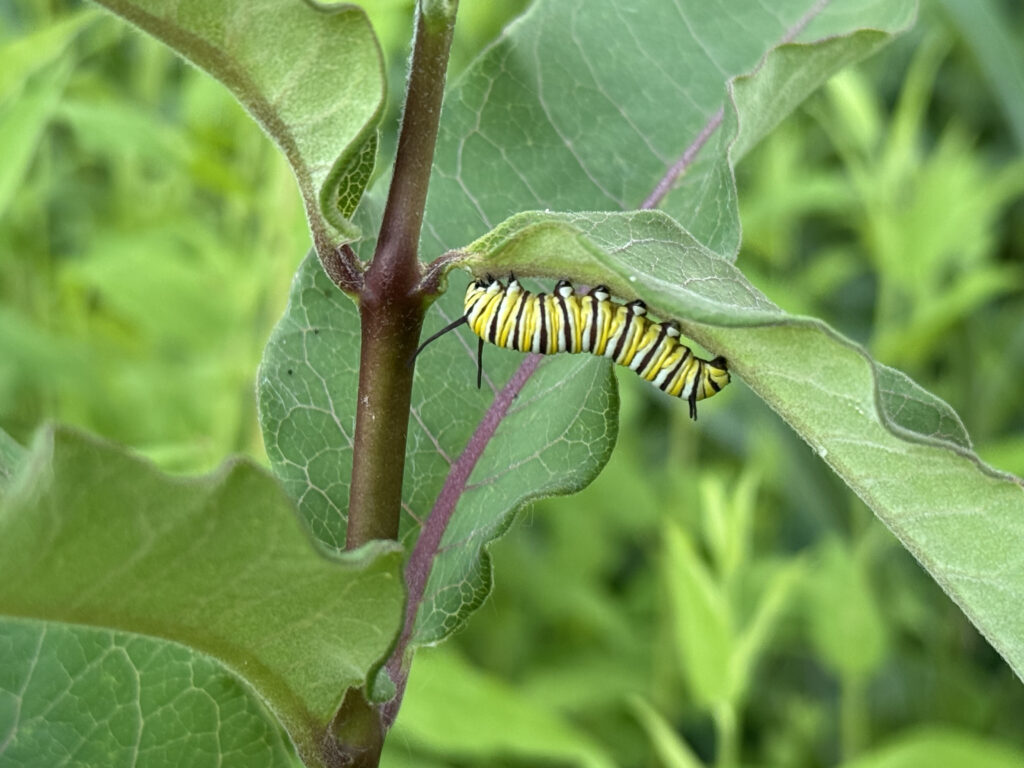
Here’s what most people miss: monarchs won’t visit your garden without milkweed, no matter how many other flowers you plant. Milkweed is where they lay eggs and caterpillars eat. No milkweed means no monarchs. Period. Native bees work certain plants that regular honeybees ignore completely. Goldfinches pull seeds from coneflowers and black-eyed Susans through fall and winter. If you cut everything back in September, you just eliminated their food source. Leaving stems and seed heads standing feeds birds and gives insects places to overwinter. These ecological relationships, backed by research on pollinator plant relationships, determine which plants make the list. Skip the chemicals or you kill everything you’re trying to attract.
Garden Layout and Spacing
Plant spacing matters more than people think. Too close and everything fights for space, gets weak and leggy, develops diseases from bad air flow. Too far apart and weeds take over gaps for years while plants slowly fill in. Size matters too. Joe Pye weed grows seven feet tall. Wild geranium stays under a foot. Put tall stuff in back, short stuff in front. But also think about timing—early bloomers shouldn’t get hidden behind plants that grow tall later. Group plants in bunches of three to five instead of scattering one of everything randomly like a plant museum.
Maintenance Expectations
First year needs attention. You’ll water when it’s dry and pull weeds until plants get established. After that? Native gardens pretty much take care of themselves. Cut dead growth back once a year—either late fall or early spring, your choice. Some spreaders like wild bergamot might need dividing every few years. That’s it. Compare that to regular perennial gardens needing constant deadheading, staking, mulching, and replacing plants that die. Native gardens need way less work. But zero maintenance? That’s a lie. Just way, way less than traditional beds.
Seasonal Interest Beyond Blooms
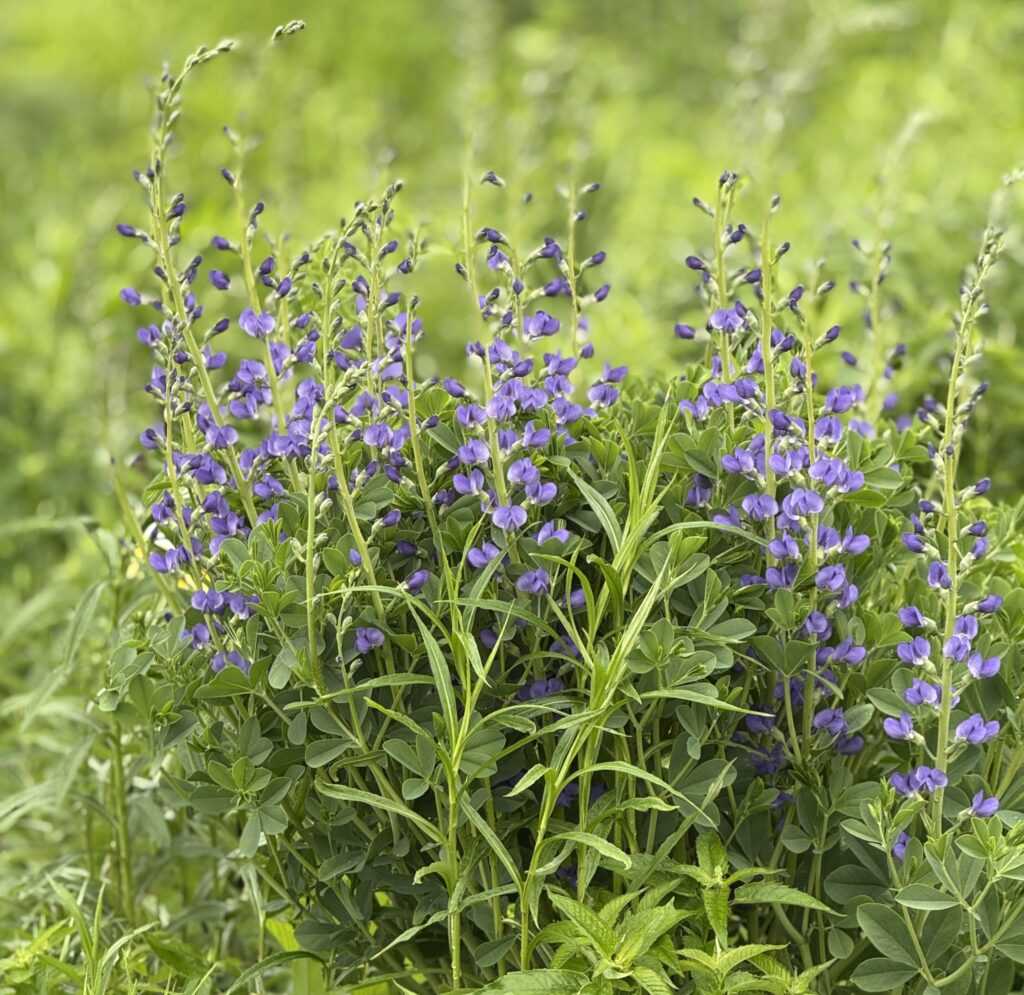
Good gardens look interesting year-round, not just when flowers bloom. Seed heads look cool in winter and feed birds. Grasses like little bluestem turn copper-orange in fall. Prairie dropseed smells like coriander when you brush against it. Spring ephemerals like trillium pop up before trees even leaf out, then disappear by summer. These details mean your garden looks intentional all year instead of just July. Many designs work with existing landscape plans so your whole property flows from formal areas near the house to wilder gardens farther out.
Working With Existing Conditions
Every yard has sunny spots, shady spots, wet areas, and dry areas. Fighting these conditions wastes money and creates constant problems. Shade gardens under oak trees need woodland plants like wild ginger and Solomon’s seal. Prairie plants will die there. Period. Wet low spots suit swamp milkweed and Joe Pye weed that would rot in dry sandy soil. Sometimes wet areas benefit from rain gardens that capture and infiltrate water while providing habitat. Well-drained areas work for purple coneflower and little bluestem. Sometimes you need to fix drainage problems before planting anything. Matching plants to what actually exists instead of what you wish existed determines whether things live or die.
Why Ecological Knowledge Matters for Gardens
Most landscape designers learned horticulture—how individual plants grow. Ecology is different. It’s understanding how plants interact in communities, which insects need which host plants, and why certain combinations self-maintain while others require constant intervention. Thirty years of providing garden design services in Round Lake and across the Chicago region—restoring ecosystems for the Chicago Botanic Garden and municipalities—taught these relationships through observation, not catalogs. Seeing which plant communities attract the most monarchs, which combinations goldfinches prefer, and what actually survives without chemicals. Garden design using ecological principles produces results ornamental plantings can’t match.
Gardens Built on Field Experience
Five hundred acres of completed native plantings across residential properties, parks, and natural areas demonstrate what works beyond theory. Not just which plants survive—which combinations attract wildlife consistently, which establish quickly versus slowly, which self-seed appropriately versus aggressively. Experience shows that wild bergamot spreads fast but looks intentional in prairie gardens. That purple coneflower from Illinois genetics outperforms identical-looking plants from Oregon stock. These details separate gardens that thrive from ones requiring constant fixes.
Results That Prove the Approach
Gardens designed ecologically improve annually as plants mature and wildlife populations establish. Year three looks better than installation. Year five surpasses anything achievable with traditional perennials requiring replacement. Monarch populations increase when milkweed species match their needs. Native bee diversity expands as plant communities mature. These aren’t marketing claims—they’re observable results from designing gardens as small-scale ecosystems rather than ornamental displays.
Schedule Your Garden Design Consultation
Garden projects start with a thorough garden design consultation to understand your goals, site conditions, and what you want attracting to your property.
Call (847) 546-7353 to discuss garden design. Working with properties throughout Lake County, northern Illinois, and into Wisconsin.