
How Do I Know If a Landscape Designer in Grayslake Is Actually Right for My Property?
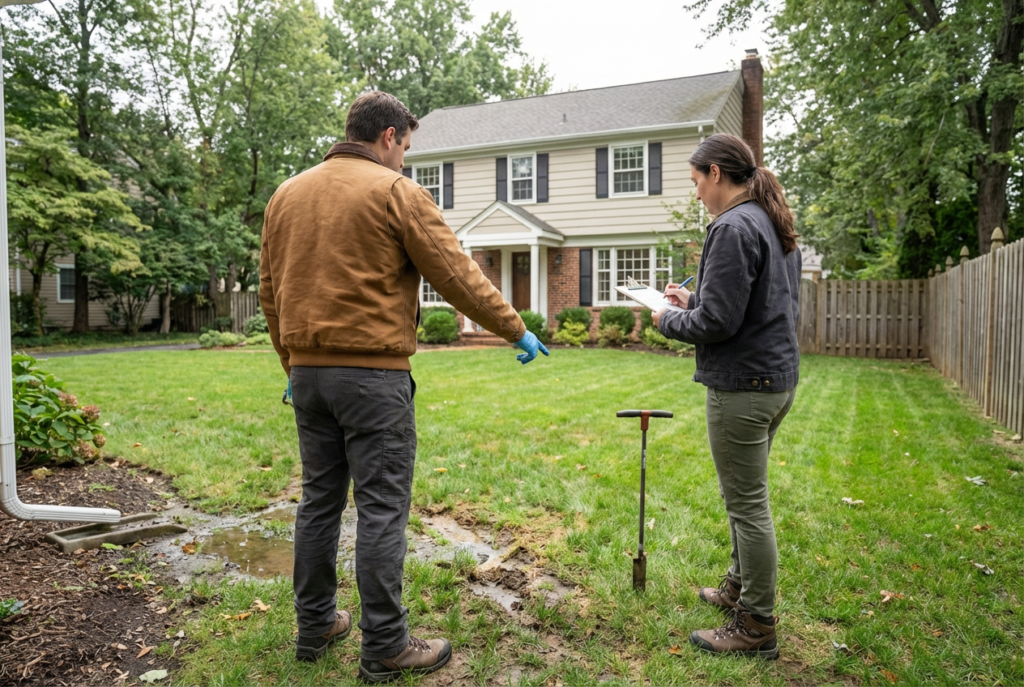
Knowing how to tell if a landscape designer in Grayslake is actually right for your property starts before they ever propose anything. How do I know if a landscape designer in Grayslake is actually right for my property? The answer almost always shows up in the first conversation — in what they ask about your site, whether they can speak specifically to Lake County clay soil and freeze-thaw conditions, and how they handle the business side of the engagement before you sign anything. — in how they present their portfolio, what they ask about your site, and whether they can speak specifically to the conditions that make Grayslake properties different from everywhere else.
Most landscape design mistakes don’t start with bad installation. They start with hiring the wrong person. By the time the problems show up — wrong plants, failed drainage, unpermitted work — the deposit is paid and the work is already in the ground. Before signing, it’s just a different conversation.
TLDR:
- A good designer asks about your property before proposing anything
- They speak specifically to Lake County clay soil and freeze-thaw conditions
- Their portfolio shows site-specific work not a repeated template
- They never ask for full payment before work begins
- Everything gets put in writing with clear scope before anything starts
- They know Lake County permit requirements without having to look them up
- The right designer for a Grayslake property has worked in this soil long enough to know what decisions look like years later
How Do I Know If a Landscape Designer in Grayslake Is Actually Right for My Property?
They Don’t Ask About Your Property Before Proposing Anything
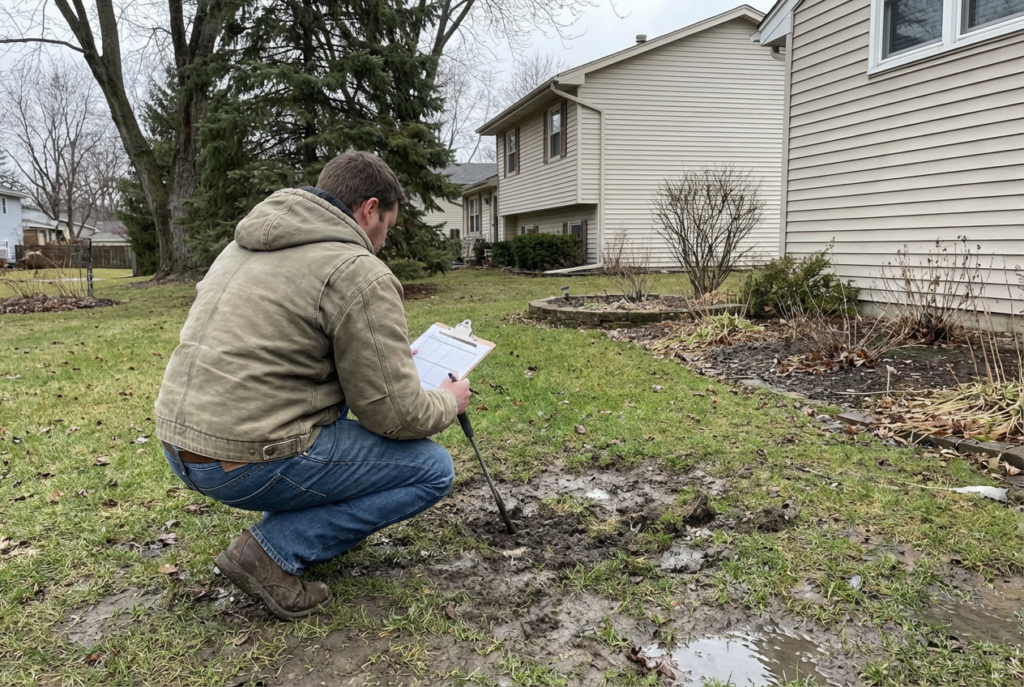
A designer who shows up with a proposal before walking your property isn’t designing for your property. They’re applying a template to it. There’s a meaningful difference between those two things — and on a Grayslake property with clay soil, specific drainage patterns, and site conditions that vary lot to lot, that difference shows up in the results.
The first conversation with a landscape designer worth hiring should be mostly questions. Where does water pool after a hard rain? What’s the sun exposure across different parts of the yard? What’s already growing and what’s worth keeping? How do you actually use the outdoor space? What’s the maintenance commitment you’re willing to make? A designer who skips those questions and goes straight to recommendations is telling you something important about how they work.
This is especially true for Grayslake and Lake County properties. Clay soil behaves differently from lot to lot depending on grading, drainage history, and what’s been planted before. A designer who doesn’t ask about those conditions before proposing plants or hardscape isn’t accounting for what’s actually happening on your specific site. They’re guessing — and guessing wrong on a Lake County property is expensive to fix.
Before agreeing to work with anyone, ask them directly what they want to know about your property before they make any recommendations. How they answer that question tells you a lot about how they actually approach design.
They Can’t Speak to Lake County Soil and Climate Conditions
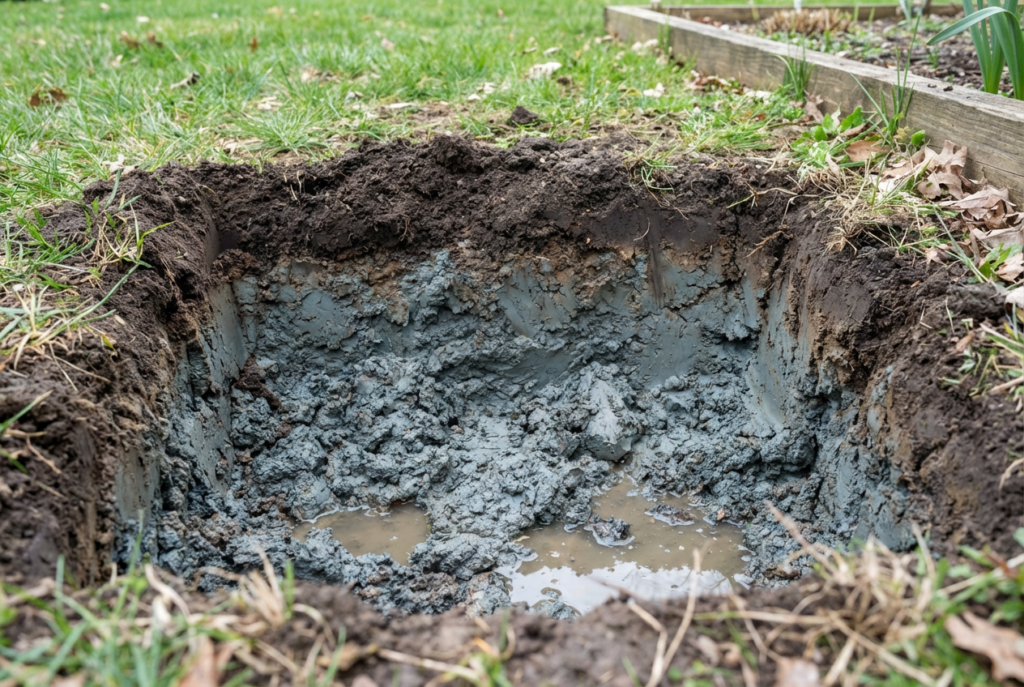
Ask any landscape designer you’re considering a direct question — what do you know about Lake County clay soil and how does it affect your plant selection? A designer who knows this area gives you a specific answer. A designer who doesn’t gives you a general one.
Clay soil in Grayslake holds water longer than most plants tolerate, compacts under foot traffic, and swings between saturated in April and bone dry in August. The freeze-thaw cycle between November and March destroys root systems that weren’t built for it. These aren’t obscure conditions — they’re the standard on most Lake County residential properties. A designer who can’t speak to them specifically hasn’t worked in this soil long enough to know what their decisions look like two or three years after installation.
The same applies to plant selection. Ask them which plants perform in Lake County clay and which ones don’t. Ask them how they account for freeze-thaw cycles in their recommendations. Ask them what they’ve seen fail on properties in this area and why. A designer with genuine local experience answers those questions without hesitation. One who is applying general principles to a property they don’t really know gives you answers that sound right but don’t hold up in practice.
Local knowledge isn’t a credential — it’s a track record. Thirty years of working in Lake County soil produces a different kind of expertise than thirty years of working somewhere else. That difference shows up in every decision before the first plant goes in the ground.
Their Portfolio All Looks the Same Regardless of Property
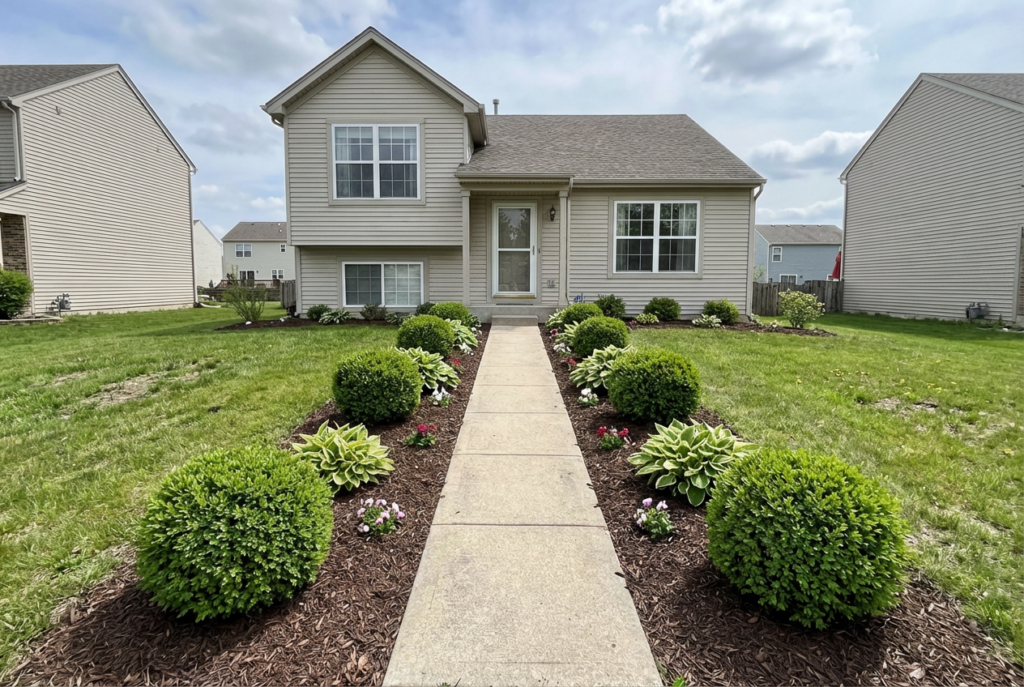
A portfolio that shows the same aesthetic on every property isn’t a portfolio — it’s a template. If every project in their book uses the same plants, the same hardscape materials, the same general layout regardless of the site conditions, soil, or how the homeowner actually uses the space, that’s a red flag. It means they’re designing what they know how to design, not what each property actually needs.
Good landscape design doesn’t look the same from property to property because no two properties in Grayslake are the same. One lot drains toward the house. Another backs up to a wetland. One has full afternoon sun, another gets two hours of direct light. A designer who accounts for those differences produces work that looks different from project to project because the site conditions are different from project to project.
When you look at a portfolio, ask about the site conditions on each project. What was the drainage situation? What was the soil doing? What were the permit requirements? A designer who can walk you through those specifics for their past work is showing you that they actually designed for each site. One who can only tell you what it looks like — not why it was designed that way — is showing you the limits of their process.
The portfolio question also applies to native plant knowledge in northern Illinois specifically. If every project shows the same handful of ornamental plants with no native species, no ecological consideration, and no adaptation to Lake County conditions, that’s worth noting before you sign anything.
They Ask for Full Payment Before the Work Starts
A legitimate landscape designer does not ask for full payment before any work has been done. A deposit on a project is standard — it covers the time spent developing a design and signals that both parties are committed to moving forward. Full payment upfront before a design has been delivered or installation has begun is a different situation entirely.
If someone asks you to pay in full before they’ve put anything in writing, walked your property, or delivered a design plan, that’s a clear red flag. It removes their accountability for the outcome before the outcome exists. You have no leverage to ensure the work gets done correctly, completed on schedule, or done at all.
The standard arrangement with a professional landscape designer looks like this — a deposit to begin the design process, payment milestones tied to specific deliverables or phases of installation, and a final payment when the work is complete and you’ve had a chance to review it. That structure protects both parties and keeps the designer accountable throughout the project.
In Lake County where landscape projects can run into significant cost depending on scope — drainage work, hardscape, native planting installation, permit coordination — the payment structure matters. Ask about it directly before agreeing to anything. How they answer tells you whether they’re running a professional operation or not.
There’s No Written Contract With Clear Scope
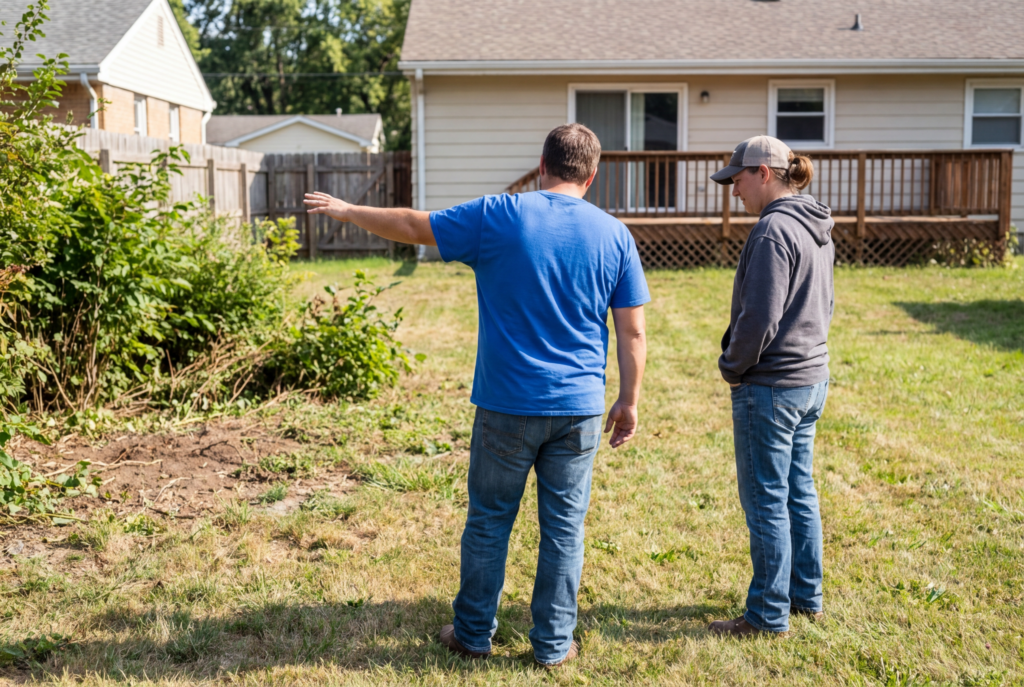
A verbal agreement with a landscape designer is not an agreement. It’s a conversation that neither party can hold the other accountable to when something goes wrong — and on a landscape project of any real scope, something always needs clarification somewhere along the way.
A professional landscape designer puts everything in writing before work begins. The contract should spell out exactly what’s included — which plants, which hardscape materials, which areas of the property, what the drainage solution involves, and what the permit coordination covers. It should also be clear about what isn’t included, so there are no surprises when something comes up mid-project that wasn’t in the original scope.
Vague contracts are just as problematic as no contract. If the written agreement uses language like “native plantings as appropriate” or “drainage improvements as needed” without specifying what that means in practice, you’re signing something that can mean whatever the designer decides it means when the work is underway. That kind of ambiguity almost always costs the homeowner more than the original quote.
Before signing anything, read it carefully. Make sure the scope is specific, the payment milestones are tied to deliverables, and there’s a process for handling changes or additions to the original plan. A designer who pushes back on putting specifics in writing is showing you how they handle accountability before you’ve given them any money. That’s useful information.
They Skip Permit Considerations for Lake County Work
A landscape designer who doesn’t bring up permits during the design conversation either doesn’t know the requirements or is hoping you don’t ask. Neither is a good sign on a Lake County property where permit requirements for landscape work are specific, vary by municipality, and carry real consequences when ignored.
Grading changes that redirect water flow, retaining walls over certain heights, and any work within a wetland buffer zone all require permits in Lake County before a shovel hits the ground. The thresholds and specific requirements vary between Grayslake, Highland Park, Lake Forest, Lake Bluff, and other municipalities in the area. A designer who has worked in this area for decades knows those requirements without having to look them up. One who hasn’t worked here doesn’t know what they don’t know.
The consequences of unpermitted work aren’t theoretical. A retaining wall built without a permit gets flagged during a property sale, requires removal, or triggers a fine that costs more than the permit would have. Grading work done in a wetland buffer without approval can require expensive remediation that takes years to fully resolve. These aren’t edge cases — they happen regularly on Lake County properties where homeowners hired someone who didn’t know or didn’t ask about local requirements.
Ask any designer you’re considering directly — what permit requirements apply to the work we’re discussing on this property? A confident, specific answer based on knowledge of this area is a green flag. A vague answer or a promise to figure it out later is not. According to the Lake County Stormwater Management Commission, grading and drainage work on residential properties in Lake County requires permits and must meet specific standards before work can begin.
What the Right Landscape Designer in Grayslake Actually Looks Like
The red flags are easy to spot once you know what to look for. So are the green ones. A landscape designer who is actually right for a Grayslake property shows up differently from the first conversation — in what they ask, what they know, and how they handle the business side of the engagement.
They ask about your property before proposing anything. The first conversation is mostly questions — about drainage, soil conditions, how you use the space, what’s already growing, and what you want the yard to do for you long term. A designer who listens before recommending is designing for your property, not applying a template to it.
They speak specifically to Lake County conditions. Clay soil, freeze-thaw cycles, wetland proximity, and drainage patterns that behave differently than other parts of Illinois — a designer who knows this area talks about these things naturally because they’ve been working in this soil long enough to have seen how decisions play out over time.
They show you a portfolio of work that looks different from project to project because each site was different. They can tell you why each project was designed the way it was, not just what it looks like.
They put everything in writing with a clear scope before any work begins. Payment milestones are tied to deliverables. The contract is specific enough that both parties know exactly what’s included and what isn’t.
They know permit requirements for Lake County municipalities without having to look them up — and they bring it up before you have to ask.
If you’re ready to have that first conversation with someone who fits that description, the best place to start is a site visit where someone who knows Grayslake and Lake County soil can tell you what your property actually needs.