
What Are the Benefits of Hiring a Professional Landscape Designer in Grayslake?
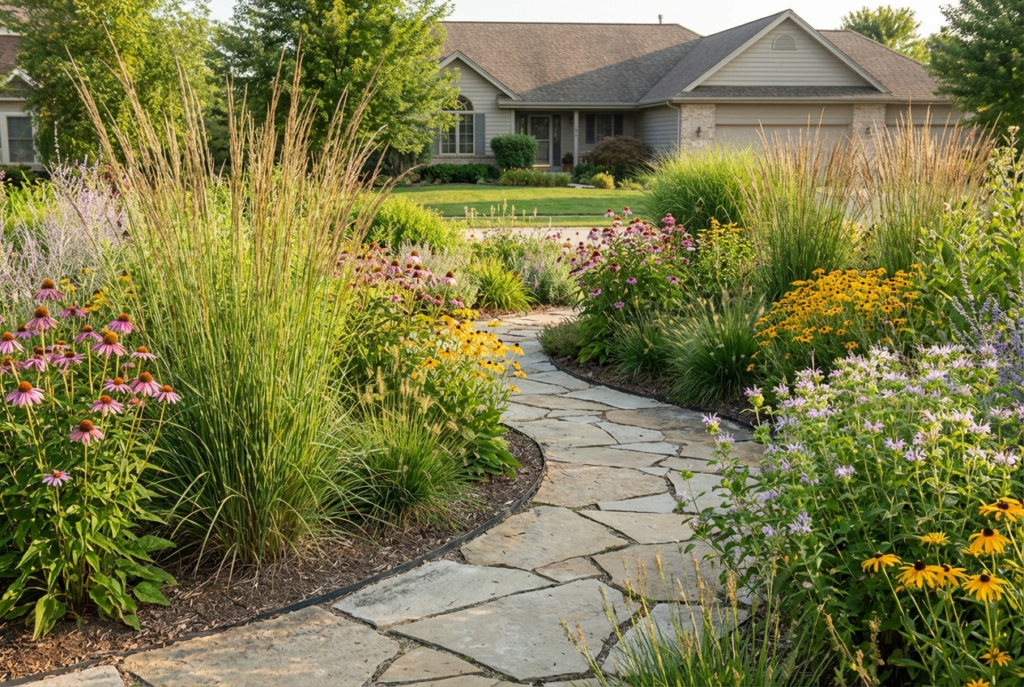
If you’re wondering what are the benefits of hiring a professional landscape designer in Grayslake are, the biggest ones come down to avoiding expensive mistakes before they happen. The right plants for Lake County clay, drainage planned before hardscape goes in, and a design that accounts for mature size and seasonal interest — these decisions made correctly upfront cost far less than fixing them after the fact.
Most homeowners who skip the designer find out why they needed one in year two or three. Plants dying in soil they weren’t built for, patios flooding every spring, shrubs crowding the foundation. None of those problems are dramatic when they start. They’re just quiet decisions made early that compound over time.
Grayslake properties have specific conditions that make local expertise matter more than it might elsewhere. Clay-heavy soil, hard winters, and drainage patterns unique to this part of Lake County all affect what works and what doesn’t. A designer who has worked in this soil for decades thinks through all of it before the first plant goes in the ground.
What Are the Benefits of Hiring a Professional Landscape Designer in Grayslake?
A Designer Knows What Actually Works in Lake County Soil
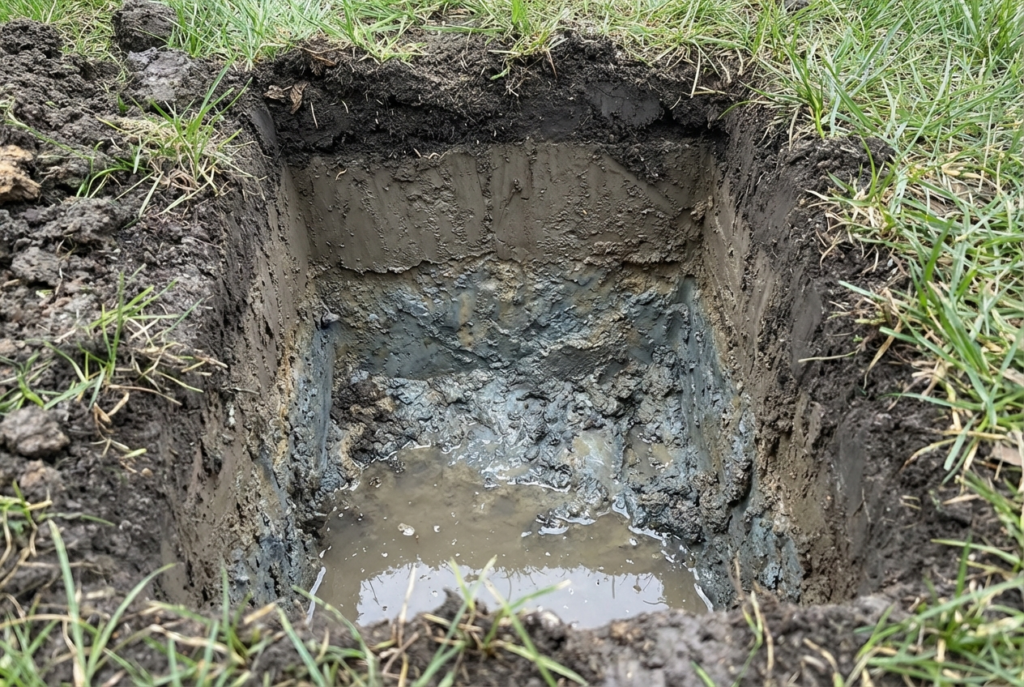
Most plants at a garden center are selected for appearance. Nobody at the register is going to tell you that the ornamental grass you’re buying will drown in Grayslake clay after the first wet spring. That’s the kind of information that comes from working in this soil for years, not from a plant tag.
Lake County clay holds water longer than most plants can tolerate. It compacts easily, drains slowly, and behaves completely differently in a wet April than it does in a dry August. Plants that survive clay soil in a milder climate get destroyed here when the ground freezes hard, thaws, and freezes again between November and March. Root systems not built for that cycle don’t recover.
The plants that perform in this soil have deep root systems, tolerate both wet feet in spring and drought in summer, and don’t need replacing every few years. Big bluestem, Pennsylvania sedge, coneflower, and native prairie grasses are built for northern Illinois conditions. They come back stronger every year without the replacement costs that come with the wrong selection.
A landscape designer in Grayslake who knows this soil makes plant selection based on what survives and thrives here — not what looks good at the nursery in May. That single difference saves most homeowners more than the cost of the consultation within the first two years.
You Get a Plan That Thinks Years Ahead Not Just Day One
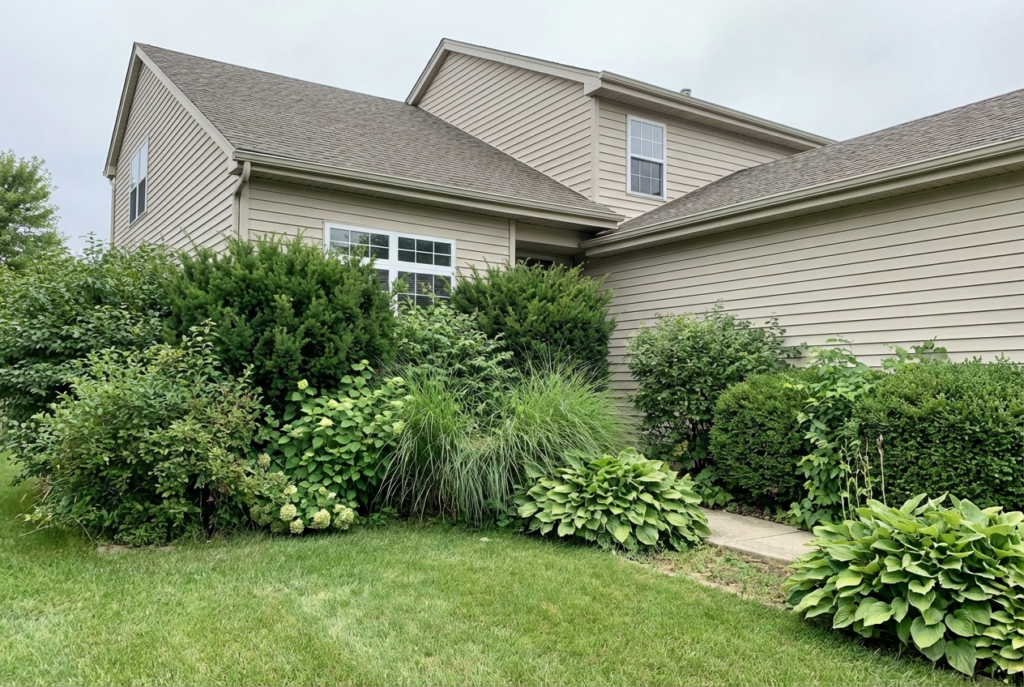
A shrub that looks perfect in a five-gallon pot at the nursery can hit six feet wide in four years. A tree planted eight feet from the foundation because it seemed small becomes a structural problem within a decade. These aren’t unusual situations — they happen constantly on Lake County properties because nobody thought through mature size before anything went in the ground.
The same problem shows up with seasonal interest. If every plant in your yard blooms in May, it looks great for three weeks and dead for the rest of the year. A design plan thinks through what looks good in July, what holds interest in September, and what provides structure in January when everything else is dormant. That kind of thinking doesn’t happen naturally when you’re buying plants one at a time at the garden center.
Drainage sequencing is the other piece most homeowners miss entirely. Grayslake’s clay soil doesn’t drain naturally. A plan that accounts for where water comes from and where it needs to go — before the patio or retaining wall goes in — prevents the flooding and shifting that happens when drainage is an afterthought.
Getting that plan from a local landscape designer in Grayslake before buying anything is the simplest way to avoid the decisions most homeowners spend years correcting. The plan doesn’t have to be complicated. It just has to happen in the right order.
The Cost of Getting It Wrong Is Higher Than the Cost of a Designer
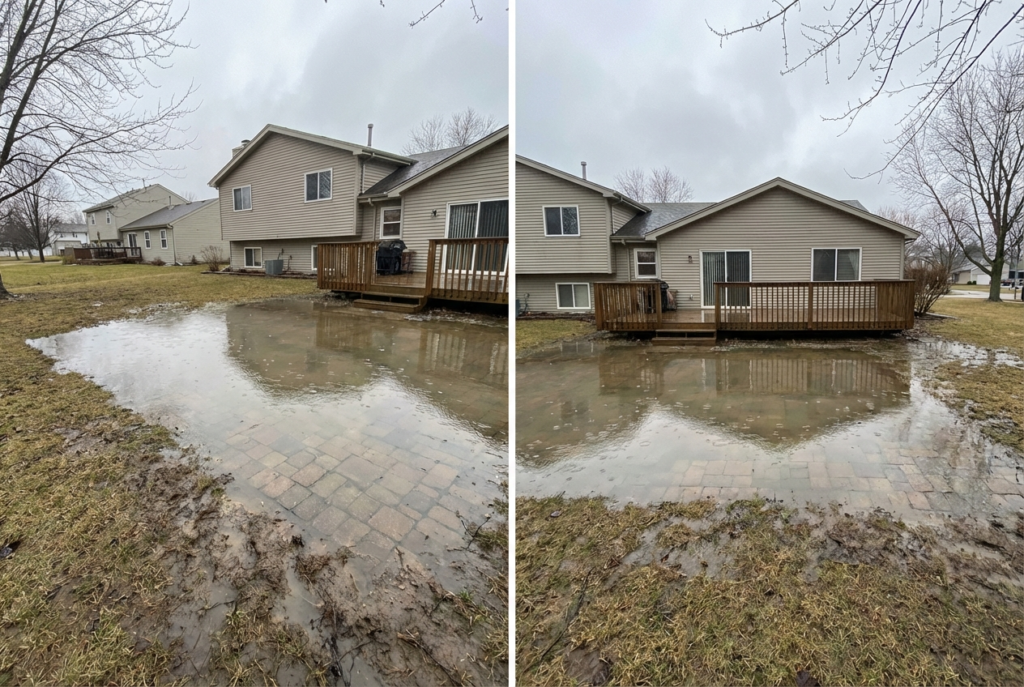
This is the objection most homeowners have before hiring a designer — the fee feels like an extra expense on top of an already expensive project. But the math usually works out the other way. The cost of a professional consultation is almost always less than the cost of fixing the decisions made without one.
Replacing plants that weren’t right for the soil is the most common example. A homeowner who buys plants based on appearance, loses half of them in the first winter, replaces them the following spring, and loses them again two years later has already spent more than a design consultation would have cost. That cycle happens more often than most people realize on Lake County properties.
Drainage retrofits are more expensive. Installing drainage solutions around existing hardscape — after the patio is already in, after the retaining wall is already built — costs two to three times what it would have cost to plan for it upfront. The hardscape often has to be partially removed to fix what’s underneath. That’s not a small bill.
Permit issues add another layer. Lake County has requirements for grading changes, work near wetlands, and some retaining wall installations. Homeowners who do that work without permits face fines, required removal, and the cost of redoing the work correctly. A designer who knows these requirements builds them into the plan from the start.
According to the National Association of Realtors, landscaping improvements can return between 100% and 200% of their cost at resale. That return assumes the landscaping was done right. Work that has to be redone, replaced, or permitted after the fact doesn’t deliver that return.
Local Knowledge Makes the Difference on Lake County Properties
There’s a difference between a landscape designer who works across the country and one who has spent decades working specifically in Grayslake and Lake County. The soil conditions, the drainage patterns, the freeze-thaw cycles, the municipal permit requirements — these aren’t things you learn from a general design education. They come from working in this specific area for a long time.
Grayslake sits in a low-lying part of Lake County where water movement is slow and clay soil dominates. Properties here drain differently than properties ten miles away. A designer who knows that plans around it from the start. One who doesn’t finds out after installation when the problems show up.
Lake County municipalities also have specific requirements for landscape work that a designer unfamiliar with the area won’t know. Steep slope ordinances, wetland buffer requirements, and permit thresholds for grading and retaining wall work vary by municipality. Highland Park, Lake Forest, and Lake Bluff each have their own requirements. Missing those requirements creates problems that are expensive and time-consuming to resolve after the fact.
David Eubanks has worked in Lake County soil for over 30 years. The plant failures he’s seen, the drainage problems he’s assessed, and the permit requirements he’s navigated on properties across this area inform every design decision he makes. That kind of local experience doesn’t show up in a portfolio — it shows up in the decisions that prevent problems before they start.
Working with a landscape designer in Grayslake who knows this area specifically is a different experience than working with someone applying general principles to a property they’ve never seen conditions like before.
What to Expect From a Landscape Design Consultation in Grayslake
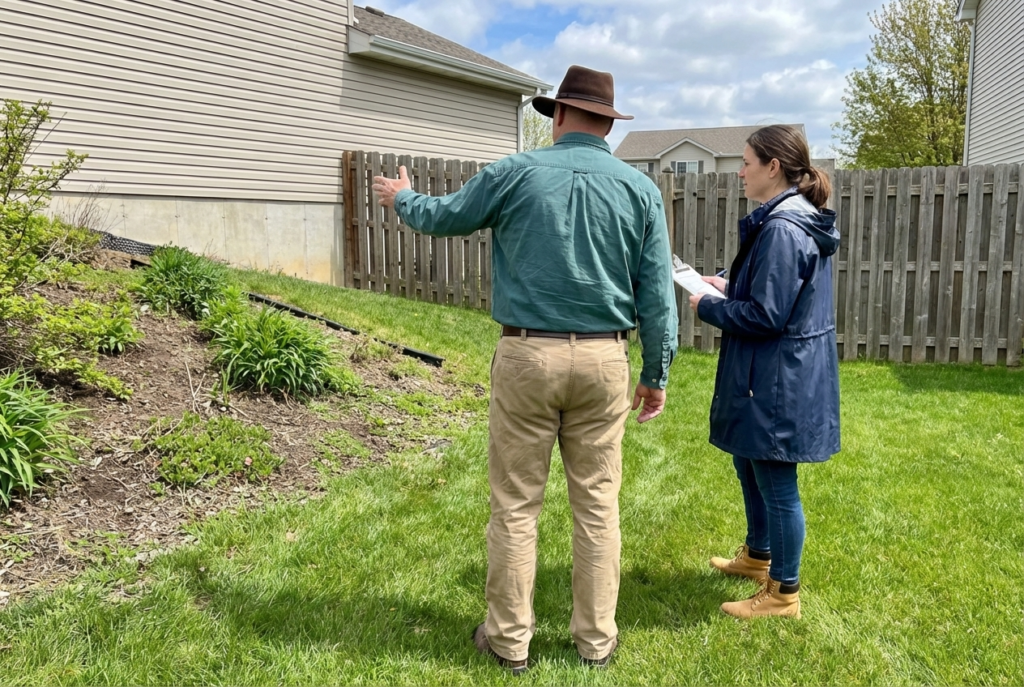
Most homeowners put off calling a designer because they don’t know what happens when they do. It’s not complicated. The first conversation is about your property — where water moves, what the soil looks like, what’s already growing, and what you want the yard to actually do for you.
That conversation matters more than most people realize. Everything downstream — plant selection, drainage planning, hardscape sequencing — gets easier when someone who knows Lake County soil walks the property first and understands what you’re working with.
From there a plan gets built around your specific lot. Not a template. Not something pulled from a portfolio that worked somewhere else. A plan that accounts for Grayslake clay, the freeze-thaw cycle, your drainage patterns, and how you actually use your outdoor space.
You walk away knowing what to plant, in what order, and why. You know what to fix before the hardscape goes in. You know what’s going to look good in October, not just May.
Most consultations take an hour or less. That hour covers more ground than most homeowners cover in three years of trial and error on their own. You find out what’s worth keeping, what needs to go, what the soil is actually doing, and what the realistic timeline looks like for the project you have in mind. It’s not a sales pitch — it’s a conversation that gives you a clearer picture of your property than you had before it started.
If you’re ready to stop guessing, talk to a professional landscape designer in Grayslake before the first plant goes in the ground. That one conversation prevents most of the expensive decisions this page is about.