
Shoreline Restoration Planning in Grayslake, IL
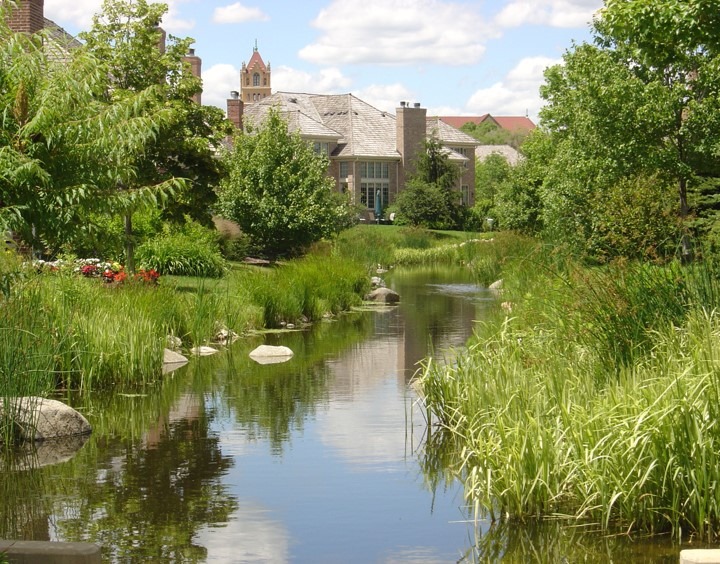
Shoreline restoration planning in Grayslake assesses eroding lakefront properties and creates plans stopping soil loss permanently. Waves eat away banks. Water levels change. Runoff carves channels. Without proper planning, shorelines keep eroding until you lose feet of property annually. We evaluate erosion patterns, test soil conditions, analyze wave action, and design bioengineering solutions using native plants and materials proven effective on Lake County lakefronts. Plans give you construction-ready specifications contractors can bid from and build to.
Professional Shoreline Assessment and Planning
Understanding Erosion Patterns
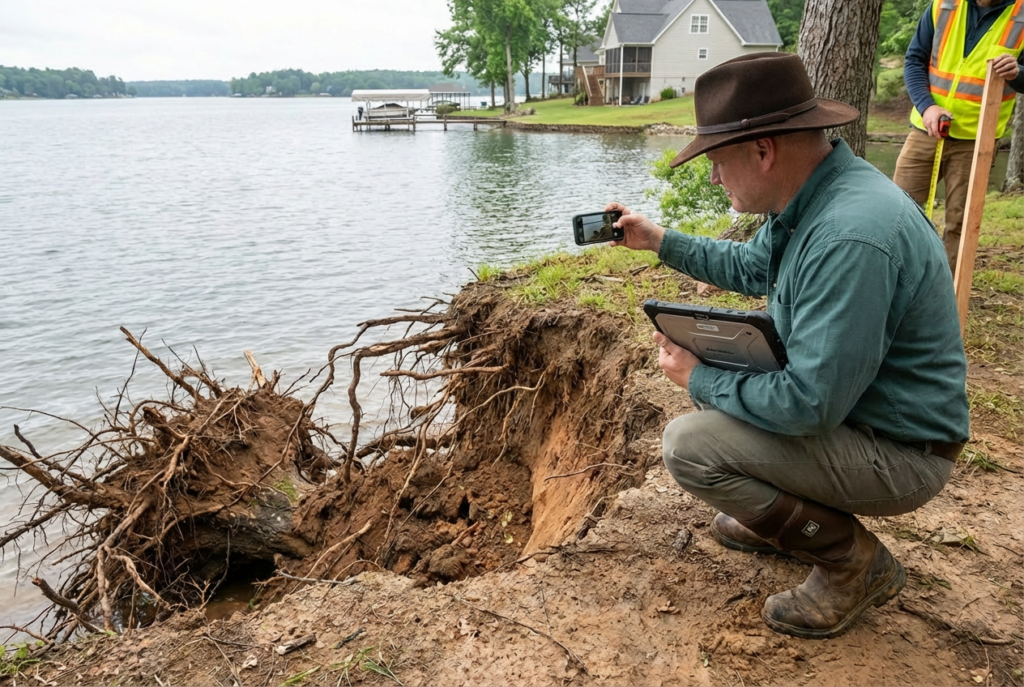
Erosion doesn’t happen uniformly along shorelines. Some sections lose soil fast while adjacent areas stay stable. Understanding why requires walking properties during different seasons and water levels. High water periods show where wave action hits hardest. Low water exposes bank undercutting and root exposure. Storm events reveal how runoff contributes to erosion beyond just wave damage. We document erosion rates, photograph problem areas, and map where soil loss concentrates. This baseline assessment shows what’s actually happening versus what property owners think is happening. Some erosion comes from waves. Some from fluctuating water levels. Some from surface runoff carving channels down banks. Each cause needs different solutions. Assessment identifies specific problems before designing fixes.
Site Conditions and Soil Analysis
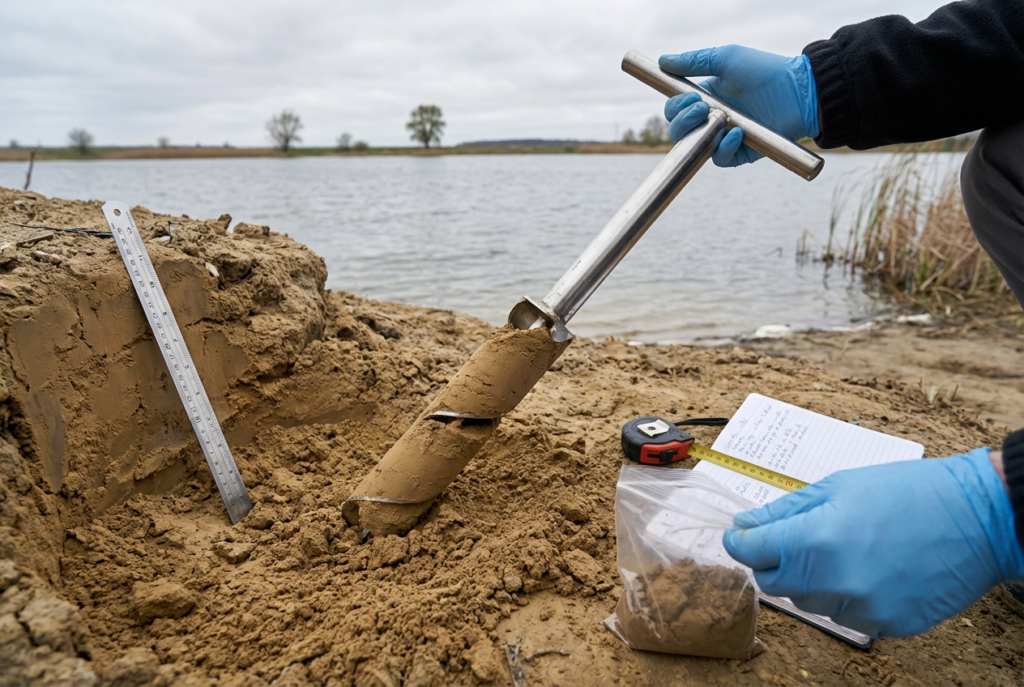
Shoreline soil determines what restoration approaches work. Sandy soils drain quickly but erode easily. Clay soils hold together better but compact making plant establishment difficult. Gravel provides stability but limited rooting depth. We evaluate soil composition, test drainage rates, and assess compaction levels. Providing shoreline restoration planning in Grayslake means understanding that Lake County shorelines typically have clay-based soils requiring specific plant selection and installation techniques. Slope angle affects erosion severity and what bioengineering methods work. Steep slopes need different approaches than gentle grades. Soil testing reveals pH levels, nutrients, and whether amendments help plant establishment. Native species selections depend on matching plants to actual soil conditions not hoped-for conditions.
Wave Action and Water Level Analysis
Wave energy determines how aggressive restoration plans need to be. Protected coves experience gentle wave action. Open shorelines facing prevailing winds get pounded constantly. We analyze fetch distance—how far wind can travel across water building wave energy. Longer fetches create larger waves requiring more robust stabilization. Water level fluctuations on Lake County lakes vary seasonally and with rainfall. High water submerges lower banks. Low water exposes upper banks. Plants need surviving both extremes. Ice damage happens during winter when expanding ice pushes against shorelines. Some locations experience severe ice heave requiring specialized considerations. Understanding these forces determines what restoration approaches actually withstand site conditions versus looking good on paper then failing within seasons.
Native Plant Selection for Shoreline Conditions
Plant selection makes or breaks shoreline restoration. Species need handling fluctuating water levels, wave action, and erosion forces. Deep-rooted species like switchgrass and sedges stabilize soil against wave energy. Willow and dogwood establish quickly spreading roots through banks. Wetland species tolerate periodic flooding. Upland species handle exposed dry periods. We specify plants by zone—species for areas submerged regularly, species for middle banks experiencing occasional flooding, species for upper banks staying mostly dry. Wrong plant selection means restoration failing during first major storm or water level change. Our native plant installation experience informs which species actually establish successfully under challenging shoreline conditions rather than just surviving in nursery pots.
Bioengineering Materials and Techniques
Bioengineering combines living plants with structural materials providing immediate protection while vegetation establishes. Coir logs made from coconut fiber hold soil at shoreline bases while plants root through them. Erosion control blankets prevent soil loss during establishment periods. Live stakes—dormant woody cuttings driven into slopes—root and grow creating living stabilization. Rock placement at critical locations prevents undercutting while plants mature. Our bioengineering approaches follow streambank protection standards ensuring methods meet proven effectiveness criteria for shoreline stabilization. We specify materials matching site conditions and erosion severity. Gentle erosion may need only plants and light erosion control fabric. Severe erosion requires heavier materials and phased approaches. Plans detail material specifications, installation methods, and timing considerations ensuring contractors understand exactly what gets installed where. Sometimes plans integrate shoreline work with broader erosion control strategies addressing upland runoff contributing to shoreline problems.
Creating Construction-Ready Plans
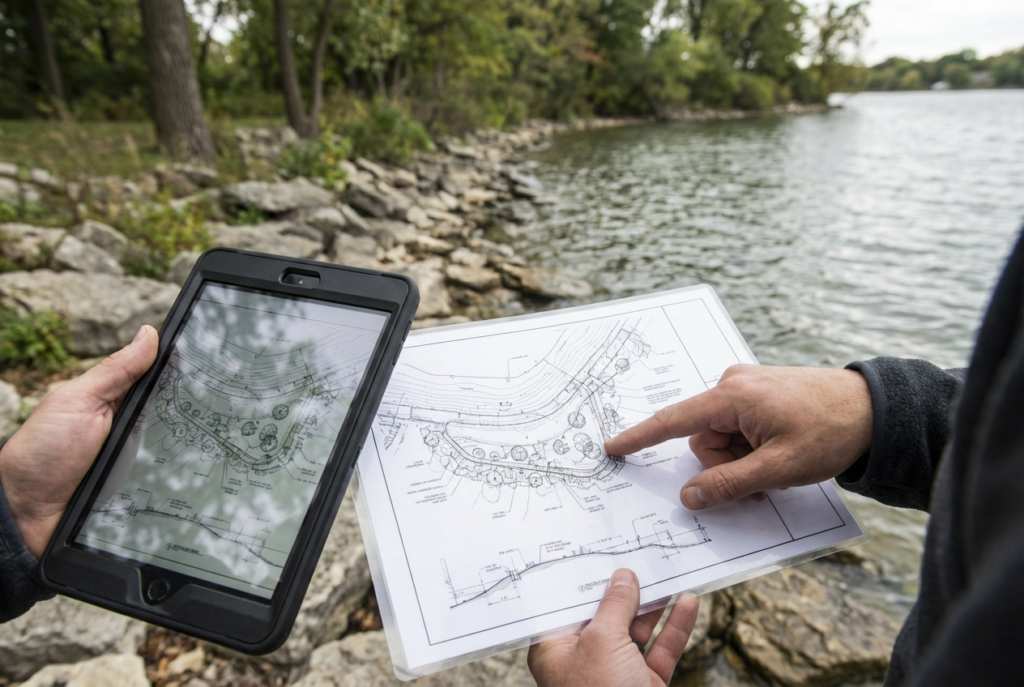
Plans provide specifications contractors need for accurate bids and proper installation. Our environmental consulting services provide comprehensive planning and assessment for restoration projects. This includes scaled drawings showing shoreline layout, cross-sections illustrating slope profiles and planting zones, material specifications detailing products and quantities, plant lists with species, sizes, and spacing requirements, installation sequence explaining what happens when, and maintenance schedules covering first three years. Vague plans lead to contractor confusion, inaccurate bids, and improper installation. Detailed plans eliminate guesswork. Contractors know exactly what you want built. Property owners can compare bids knowing everyone’s pricing the same scope. Municipalities can review plans for permit approval. Good plans translate assessment findings into actionable construction documents.
Working with Municipalities and Permits
Shoreline work often requires permits from local municipalities, IDNR, and sometimes Army Corps of Engineers depending on project scope and location. We identify permit requirements early preventing delays later. Plans include information regulatory agencies need for review—erosion control methods, plant species, materials specifications, and construction timing. Some locations restrict in-water work during fish spawning seasons. Others require specific bioengineering approaches over hard armoring. Navigating permit requirements requires knowing what different agencies care about and providing documentation addressing their concerns. Plans meeting permit requirements from the start move through approval faster than generic proposals requiring multiple revisions.
Planning Prevents Expensive Mistakes
Here’s what happens without proper planning. Contractor shows up and starts installing plants based on what worked somewhere else. Wrong species for your water levels. Wrong spacing for wave action. Wrong materials for soil type. Installation looks fine initially. First major storm tears half of it out. Ice damage finishes the rest. Now you’ve spent thousands on work that failed and still have the same erosion problem. We’ve assessed dozens of failed shoreline projects throughout Lake County. Every single one skipped proper assessment and planning. They guessed instead of tested. They copied solutions from different conditions. Professional planning costs money upfront. It costs way less than rebuilding failed installations or losing more property while you figure out what actually works.
Your Shoreline Won’t Fix Itself
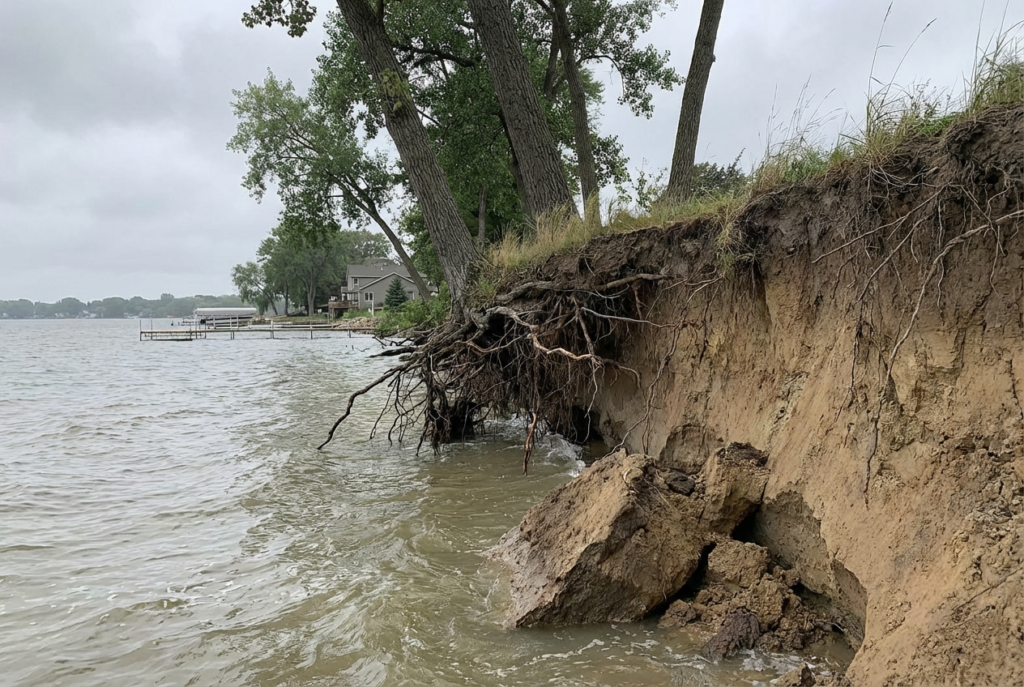
Erosion accelerates over time. Banks that lost inches last year lose feet this year. Exposed roots undermine more soil. Wave action attacks larger areas. That eroding shoreline you’re monitoring? It’s getting worse while you watch. Properties throughout Lake County lose significant land annually because owners wait hoping erosion slows down. It never does. Erosion only stops when something physically prevents it. Planning now means stopping soil loss before you lose irreplaceable property. Waiting means choosing to lose more land every season until the problem becomes too expensive to ignore.
Get Professional Shoreline Planning
Stop losing property. Get a restoration plan that actually works.
Call (847) 456-5604 for shoreline restoration planning in Lake County, Illinois, and southern Wisconsin.