Beautiful Native Plant Installation Services in Grayslake
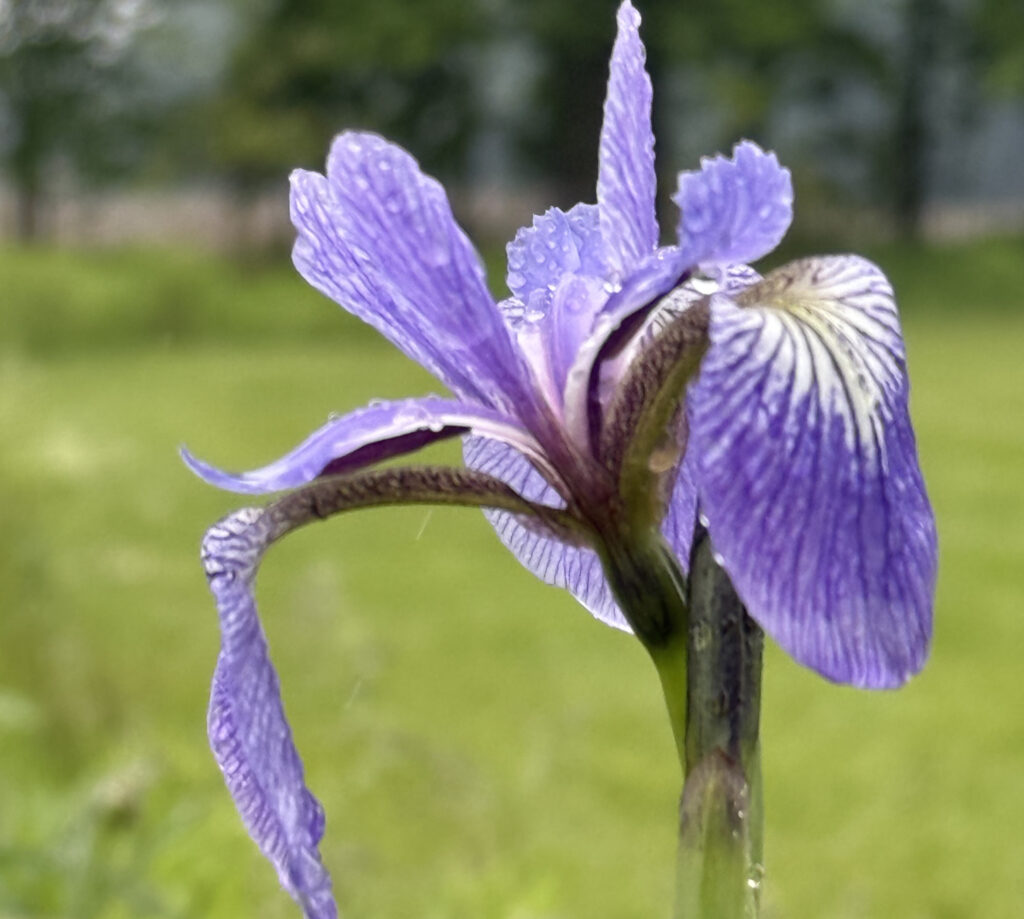
Native plant installation creates landscapes that look better each year with less work. We install prairie gardens, pollinator habitats, and woodland plantings using Illinois native species adapted to local conditions. The process includes site preparation, strategic spacing for mature plant size, proper planting depth for deep root systems, and establishment care during the first season. Installations look sparse initially but fill in naturally as roots develop. By year three, native landscapes attract butterflies and birds while requiring minimal watering, no fertilizers, and far less maintenance than traditional plantings demand.
Installing Native Plants the Right Way
Understanding What Natives Actually Need
Native plants evolved in specific conditions and need installation matching those natural environments. Prairie species developed in compacted clay soil with minimal organic matter—adding compost or topsoil actually weakens them by encouraging shallow roots instead of the deep systems that make them drought-tolerant. Woodland plants expect leaf litter and dappled shade, not full sun and mulch. Wet-tolerant species handle standing water but rot in well-drained beds. Providing native plant installation services in Grayslake means understanding how Lake County’s heavy clay soil works perfectly for most Illinois natives without amendments. We evaluate what’s being planted and prepare sites accordingly. Rain garden species need different treatment than prairie plants. Woodland installations differ from open meadow projects. Matching installation techniques to plant requirements determines success versus struggle.
Spacing for Natural Growth Patterns
Spacing creates the biggest difference between successful native installations and overcrowded messes. Container sizes mislead people—little bluestem in a one-gallon pot grows into a two-foot-wide clump. Black-eyed Susans spread aggressively. Joe Pye weed reaches six feet tall and wide. We space plants for mature dimensions, not nursery size. This means installations look sparse initially but fill in as plants reach full potential. Aggressive spreaders get positioned where they can naturalize without overwhelming slower species. Taller plants go where they won’t shade shorter ones. Strategic placement creates layered compositions that look intentional as everything matures. Proper spacing also allows air circulation preventing disease and gives roots room to develop without competition.
Planting Depth and Technique
Planting depth affects root development and long-term survival. Too shallow and plants dry out or frost-heave in winter. Too deep and crowns rot. Native perennials need crowns at soil level, not buried under mulch. We plant to proper depth based on species requirements, firm soil around roots eliminating air pockets, and water thoroughly to settle everything. Bare root plants get handled differently than containerized stock. Larger specimens need more careful installation than plugs. Each plant type has specific requirements. Getting depth and technique right during installation prevents problems that show up months later when plants fail to thrive or simply die.
First Season Establishment Care
First-year care determines whether installations succeed or fail. Native plants spend their first season developing extensive root systems rather than top growth—this makes people nervous seeing small plants not doing much visibly. They need consistent moisture during establishment, not drought conditions. Weeds compete aggressively and must be controlled until natives fill in. We provide clear establishment instructions covering watering frequency, weed management, and what to expect each season. Year one looks sparse. Year two shows significant growth. Year three reaches maturity. Understanding this timeline prevents people from giving up or thinking installation failed when plants are actually establishing successfully underground.
Integration with Landscape Design
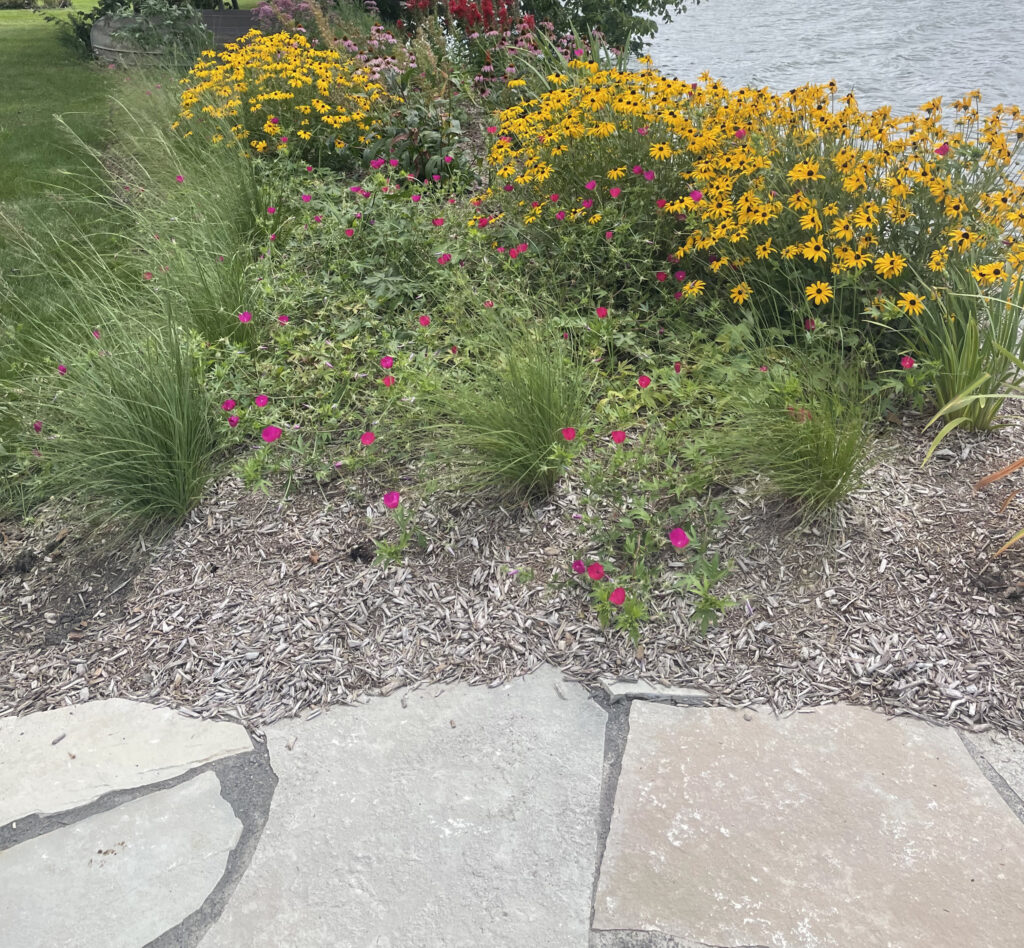
Native plant installations work best integrated with overall landscape design rather than treated as isolated features. Prairie gardens transition naturally into lawn areas or connect to hardscapes, such as patios and walkways. Rain gardens handle drainage while looking like intentional garden features. Many properties combine native plantings with traditional landscapes—formal beds near the house transitioning to naturalized natives farther out. Strategic integration creates cohesive properties rather than random native plant patches. Garden design principles apply to native installations just as much as traditional plantings.
Working with Existing Conditions
Every property has unique conditions affecting what natives will thrive. Full sun areas suit prairie species. Shaded zones under mature trees need woodland plants. Wet depressions work for swamp milkweed and Joe Pye weed. Dry slopes handle little bluestem and prairie dropseed. Properties with drainage problems might need those addressed before or during installation. Compacted soil from construction requires loosening. Heavy weed pressure needs controlling before planting. We assess existing conditions and work with them rather than fighting site realities. Matching plant communities to actual conditions creates installations that establish easily and thrive long-term.
When Installation Experience Actually Matters
Native plant installation looks deceptively simple. Dig holes, add plants, water, done. Except prairie species need spacing most landscapers consider wasteful. Woodland plants fail in amended soil that’s supposed to “help” them. Rain garden installations require grading precision or they don’t function. We’ve installed native landscapes since the late 1990s when most contractors refused to work with them. That history means knowing which spacing actually works, why soil amendments backfire, and what establishment timelines look like. The difference shows up year three when properly installed natives hit their stride while poorly installed ones still look patchy and struggle.
Results You Can See
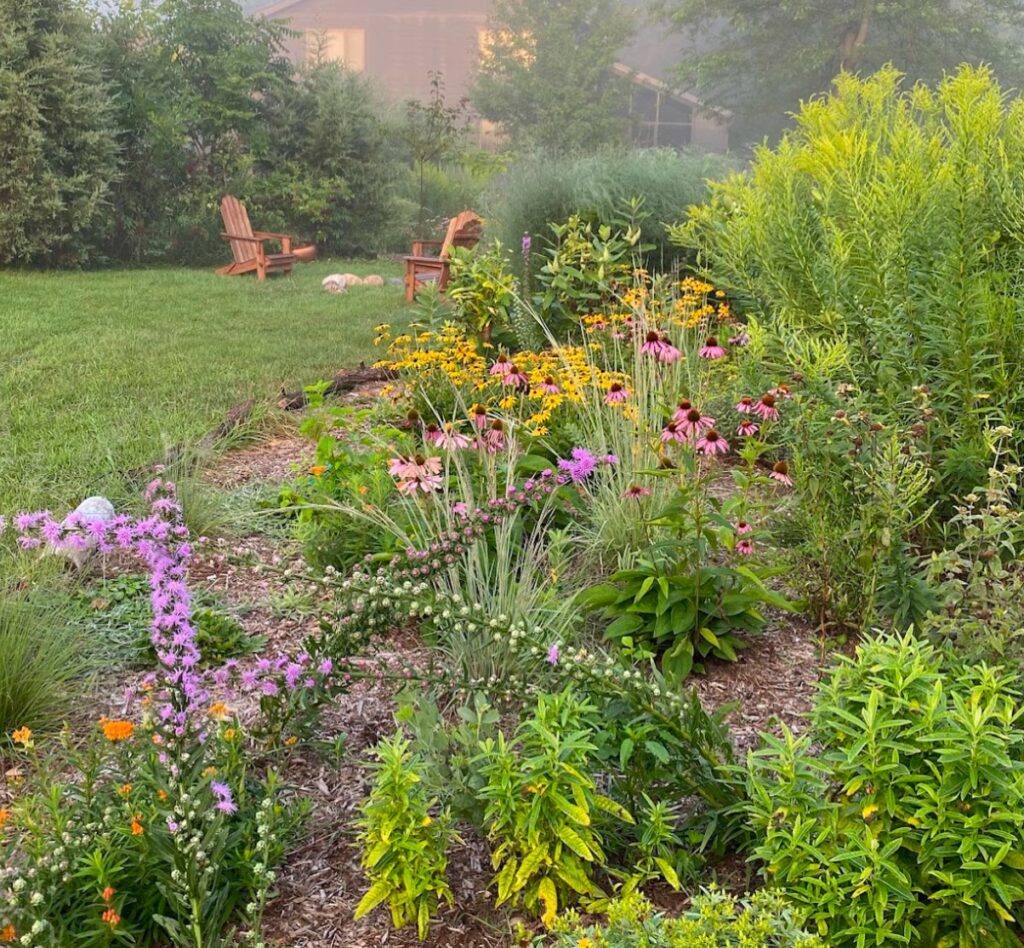
Properties we planted fifteen years ago still thrive without irrigation, fertilizers, or replanting. That longevity comes from installation techniques matching how these species actually grow in nature. Not generic landscape methods applied to native plants. Installations done right establish within one season, fill in by year two, and reach full maturity by year three. Then they maintain themselves with minimal intervention—occasional weeding, annual cutback, nothing more. That’s the goal. Low-maintenance landscapes supporting wildlife while looking better each year.
Start Your Native Plant Installation
Ready to install native plants that actually establish and thrive? Let’s discuss your property.
Call (847) 456-5604 for native plant installation. Serving properties throughout Grayslake, Lake County, and northern Illinois.