
Commercial Landscape Design Services in Grayslake, IL
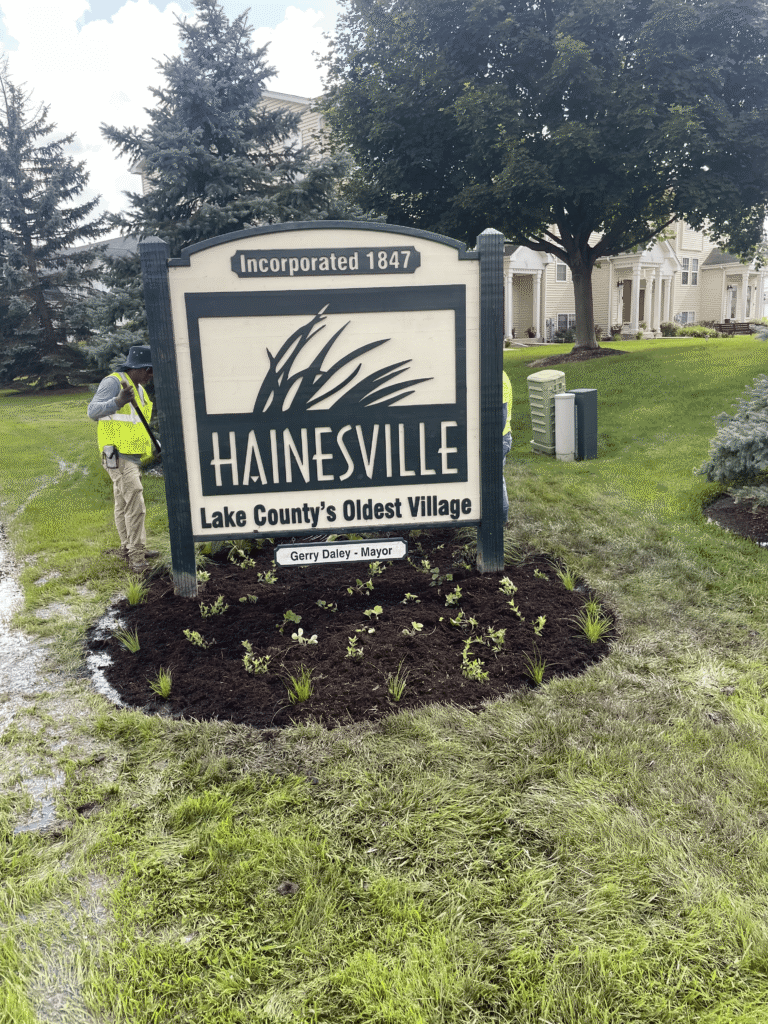
Commercial property managers deal with tight budgets and high expectations. Tenants complain when plantings look shabby. Municipal inspectors cite stormwater violations. Maintenance crews damage beds while mowing. Meanwhile, irrigation costs climb and plants need replacing every other season. Smart commercial landscape design solves these problems before they start. Select species adapted to parking lot conditions and road salt exposure. Position plantings where mowers won’t destroy them. Design stormwater management that satisfies regulations while looking intentional. Native plants reduce water demands and survive without constant replacement. The property maintains professional appearance, maintenance stays manageable, and long-term costs drop significantly.
The Commercial Design Process
Site Evaluation for Commercial Properties
Site evaluation for commercial properties focuses on factors residential projects don’t face. Parking lot drainage patterns, municipal stormwater requirements, accessibility codes, maintenance crew capabilities, snow removal routes—these realities shape every design decision. Walking the property reveals where salt accumulates in winter, which beds get trampled during snow plowing, where irrigation makes sense versus where it creates ongoing expenses. Understanding these operational constraints prevents designs that look impressive on paper but fail in practice.
Understanding Different Property Types
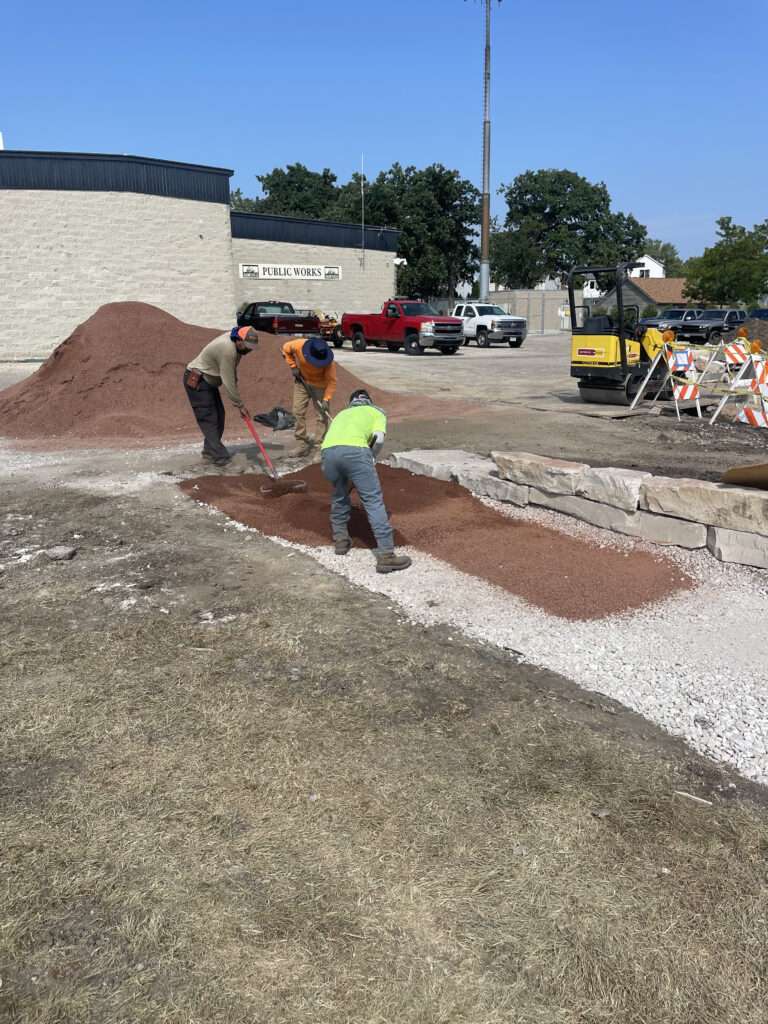
Client needs vary significantly between property types. HOA boards prioritize curb appeal within strict budgets. Corporate campuses want professional appearance that reflects brand standards. Business parks need minimum maintenance across large areas. Office complexes balance tenant expectations against operational costs. Each situation demands different solutions. Some properties benefit from structured plantings near entries with naturalized areas elsewhere. Others need consistent treatment across the entire site. Larger corporate campuses with multiple acres share planning similarities with estate-scale properties. Budget allocations, maintenance capabilities, and aesthetic goals all factor into the approach.
Native Plant Selection for Commercial Success
Native plant selection becomes critical for commercial success. Species adapted to Illinois conditions survive parking lot heat islands, handle road salt exposure, and tolerate irregular watering better than ornamentals requiring perfect care. Prairie grasses and sedges thrive in median strips. Woodland species work in shaded areas near buildings. Wetland plants manage stormwater in detention basins while looking intentional rather than weedy. The ecological benefits matter less here than practical performance—these plants simply cost less to maintain over time. The same native plant design principles we apply to residential projects scale effectively for commercial applications.
Stormwater Management and Compliance
Stormwater management intersects with landscape design on every commercial project. Municipalities require detention, retention, or infiltration solutions. Rain gardens positioned strategically handle runoff while serving as landscape features rather than engineered eyesores. Similar approaches we use for residential rain garden installations scale up for commercial applications—bioswales along parking lots, infiltration basins in green spaces, permeable surfaces in pedestrian areas. Designs must comply with Illinois stormwater regulations while maintaining aesthetic quality and functional performance.
Commercial Hardscape Considerations
Hardscape elements in commercial settings serve different purposes than residential applications. Walkways must meet ADA requirements. Patio spaces outside office buildings get heavy use and need durable materials. Retaining walls often address grade changes created by parking lot construction. Material selection balances initial costs against longevity—spending more upfront for quality pavers saves money compared to replacing cheap materials every few years. Maintenance crews appreciate designs they can work around without damaging plants or hardscape.
Budget-Conscious Phasing Options
Phasing commercial projects depends more on budget cycles than installation logistics. Many properties spread improvements across multiple fiscal years. Year one might address highly visible entry areas. Year two tackles perimeter plantings or problem drainage zones. Year three completes less critical sections. Each phase needs to look finished independently while fitting the master plan. This approach makes large projects financially manageable and allows adjustments based on performance of earlier phases.
Complete Project Documentation
Documentation requirements exceed typical residential projects. Property managers need detailed plans showing exact species, quantities, and locations for bidding contractors. Stormwater calculations prove compliance with municipal codes. Irrigation plans specify coverage areas and water sources. Maintenance schedules outline seasonal tasks and frequencies. Complete documentation prevents misunderstandings during installation and provides reference material for ongoing care.
Why Commercial Projects Require Specialized Experience
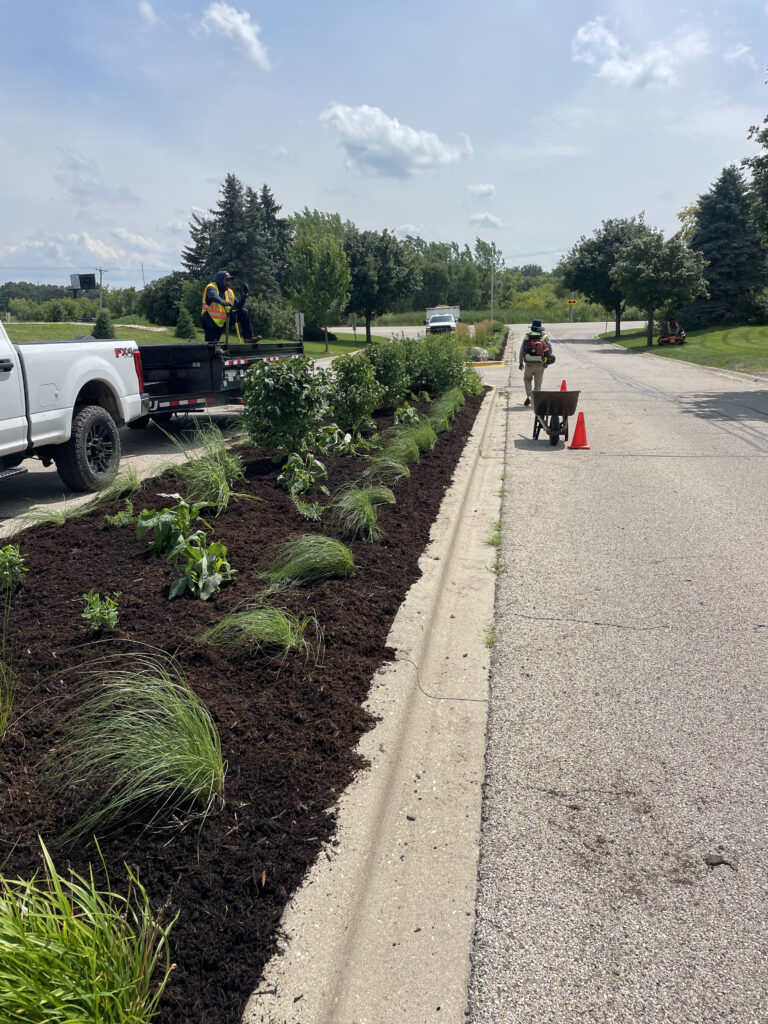
Commercial landscape design operates under different rules than residential work. Property managers answer to boards, tenants, and municipal inspectors simultaneously. Maintenance budgets get scrutinized annually. Designs that ignore these realities create ongoing problems and costs. Three decades working with Lake County commercial properties means understanding what municipalities require for stormwater permits, which native species survive in parking lot conditions, and how to design around maintenance crew limitations.
The difference shows up in details property managers appreciate. Plants selected for their tolerance to neglect rather than peak bloom periods. Layouts that accommodate snow plow routes without destroying beds. Stormwater solutions that satisfy village engineers while looking intentional. Documentation complete enough for competitive bidding without ambiguity. These aren’t concerns residential designers typically address.
Native plant expertise particularly benefits commercial budgets. Species adapted to Illinois conditions eliminate irrigation costs, reduce replacement frequency, and survive with minimal intervention. A corporate campus using native plantings spends dramatically less on maintenance than one fighting to keep ornamental beds alive. The cost difference compounds over years, making native selections a financial decision as much as an ecological one.
Schedule Your Commercial Property Consultation
Commercial landscape projects start with understanding your property’s specific requirements, budget constraints, and maintenance capabilities. Every project begins with a thorough site consultation to evaluate existing conditions and discuss your goals.
Call (847) 456-5604 for our commercial landscape design services in Grayslake. We work with properties across Lake County, the broader Chicago metro area, and into southern Wisconsin.
Frequently Asked Questions?
How much does commercial landscape design cost?
Design fees vary based on property size, project complexity, and documentation requirements. We provide detailed estimates after the initial site visit once we understand your specific needs.
Why use native plants for commercial properties?
Native species reduce maintenance costs by 60-70% compared to traditional plantings because they don’t require irrigation, fertilizers, or constant replacement. They handle parking lot conditions and neglect better than ornamentals.
Can commercial projects be installed in phases?
Yes, most clients spread projects across multiple budget years. Each phase looks complete independently while building toward the overall master plan.
How long does the design process take?
Simple projects take 2-3 weeks, while complex developments with stormwater engineering require 6-8 weeks. Timeline depends on property size and municipal requirements.
Do you work with HOAs and property management companies?
Yes, we regularly design for homeowner associations, corporate campuses, business parks, and office complexes throughout Lake County. We understand board approval processes and budget constraints these organizations face.