Vernal Pond Restoration Services in Round Lake, IL
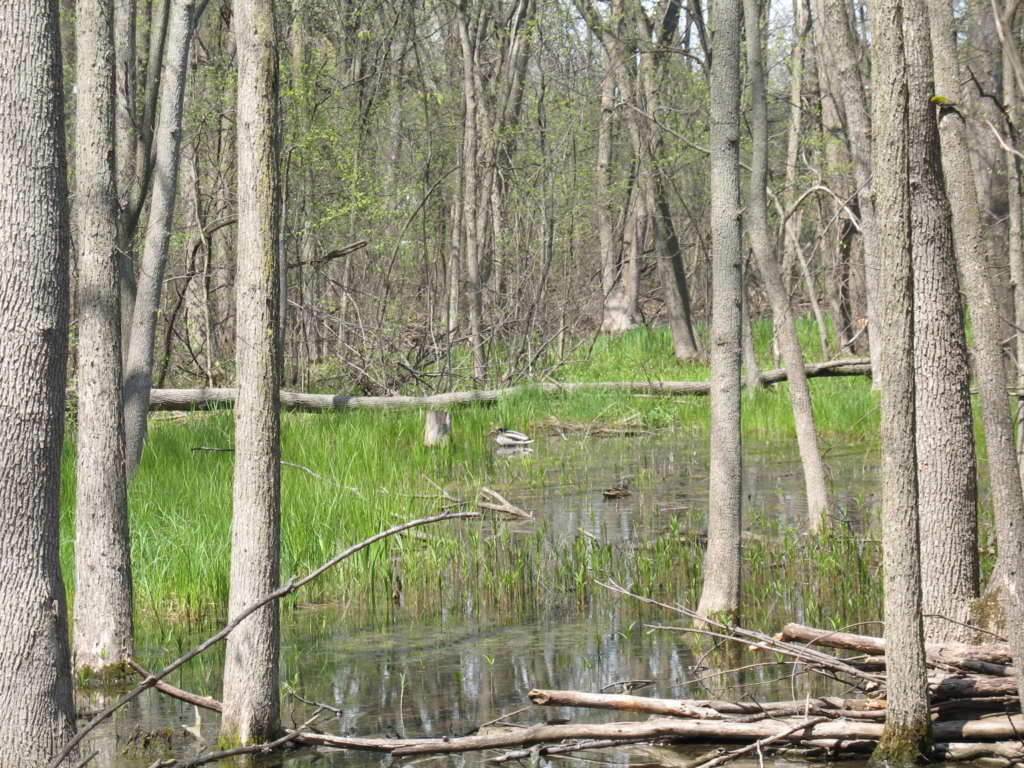
Vernal pond restoration services in Round Lake mean planning seasonal wetlands that actually support salamanders and fairy shrimp instead of becoming permanent puddles full of mosquito larvae. Most people don’t understand vernal ponds at all. They see water in spring and panic about standing water breeding mosquitoes. Then they drain it or connect it to permanent water. Both actions destroy the pond’s value. Real vernal ponds dry up every summer. That seasonal drying kills fish and mosquitoes but salamanders and rare invertebrates thrive. We design restoration plans that maintain this critical dry-wet cycle without creating permanent water or drainage that eliminates the habitat.
Restoring Seasonal Wetland Ecology
Why Vernal Ponds Are Different From Regular Wetlands
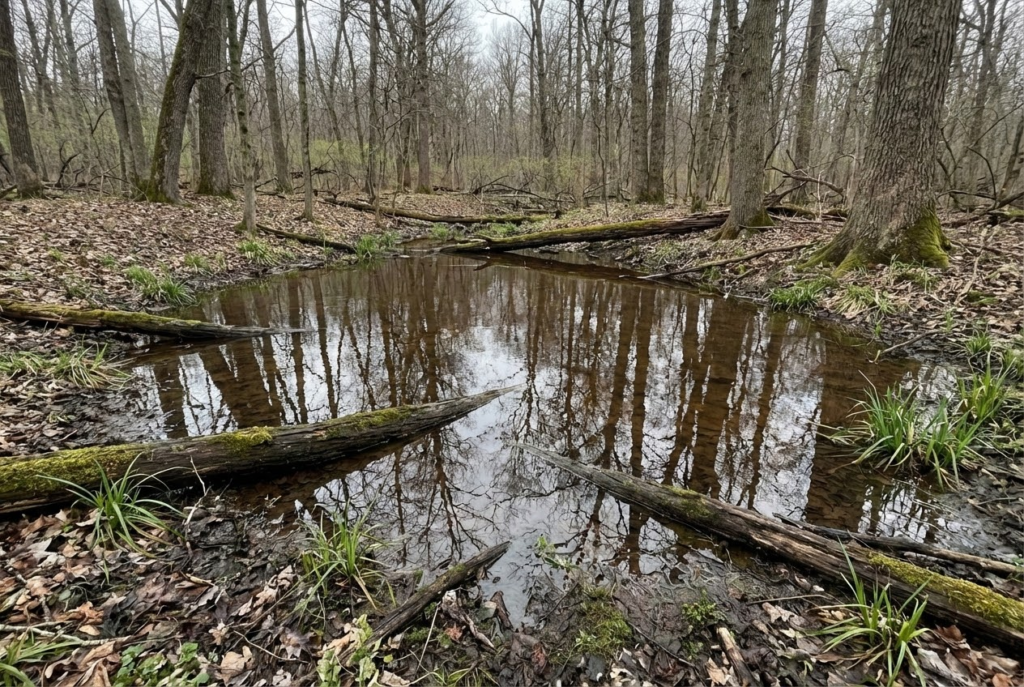
Vernal ponds aren’t just small wetlands. They’re temporary. Water fills them in spring from rain and snowmelt. They stay wet for three to six months. Then they dry up completely by summer. This dry phase is critical. Fish can’t survive without permanent water. Mosquito larvae die when pools dry up. But salamanders, wood frogs, and fairy shrimp evolved for this cycle. They breed in spring when water is present. Their young develop fast. Before the pond dries, they either leave or go dormant until next year. Remove the dry phase and you create permanent water that supports fish. Fish eat all the salamander eggs and tadpoles. The rare species disappear. Connect the pond to drainage and it never fills properly. Either mistake destroys the habitat. Our consulting work for ecological systems starts by figuring out if your site has the right conditions to maintain this seasonal wet-dry pattern.
Getting the Basin Depth Exactly Right
Depth determines everything in vernal pond restoration. Too shallow and the pond dries out in April before salamanders finish breeding. Too deep and water persists into July creating permanent pond that supports fish. The sweet spot is usually 18 to 36 inches at the deepest point. This holds water for three to five months in typical Lake County spring but dries by late June or early July in normal years. But normal years don’t exist anymore. Climate is variable. Some springs get 8 inches of rain. Others get 3 inches. Your pond needs to handle both extremes without becoming permanent or drying too early. We design basin profiles with graduated depths. Shallow edges for early breeders like wood frogs. Deeper center for salamanders needing longer hydroperiods. Outlet elevation set precisely so extreme rain years overflow without creating permanent outlet flow. Get depth wrong by six inches and the habitat fails completely.
Protecting Ponds From Well-Meaning Destruction
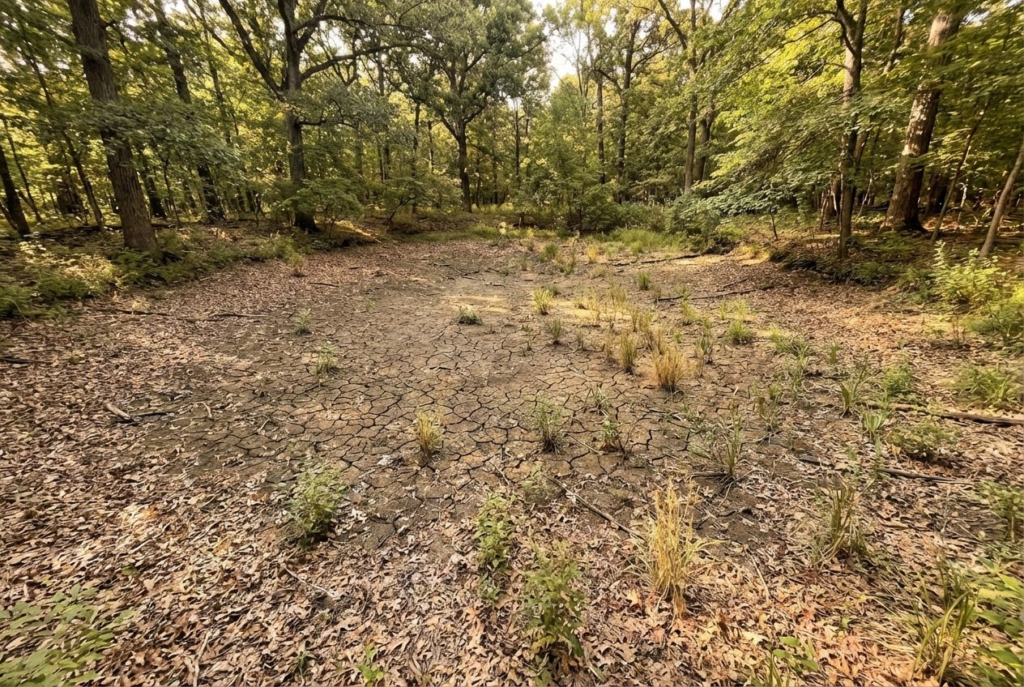
The biggest threat to vernal ponds is people trying to fix them. Property owner sees standing water in April and assumes drainage problem. They dig outlet ditch. Pond drains. Habitat gone. Or they see it dry in July and think it failed. They dig it deeper or connect to permanent water source. Now it never dries. Fish move in. Salamanders disappear. Neighbors complain about mosquito breeding and demand treatment. Pesticide application kills all the invertebrates the system depends on. We’ve watched successful vernal ponds destroyed by property owners, contractors, or maintenance staff who didn’t understand seasonal hydrology. Good restoration plans include physical barriers preventing outlet ditching, signage explaining seasonal water patterns, and maintenance specifications prohibiting mosquito treatment. Our restoration and preservation planning includes clear documentation explaining why the pond looks dry in summer and why that’s correct function.
Understanding Which Species Actually Use Vernal Ponds
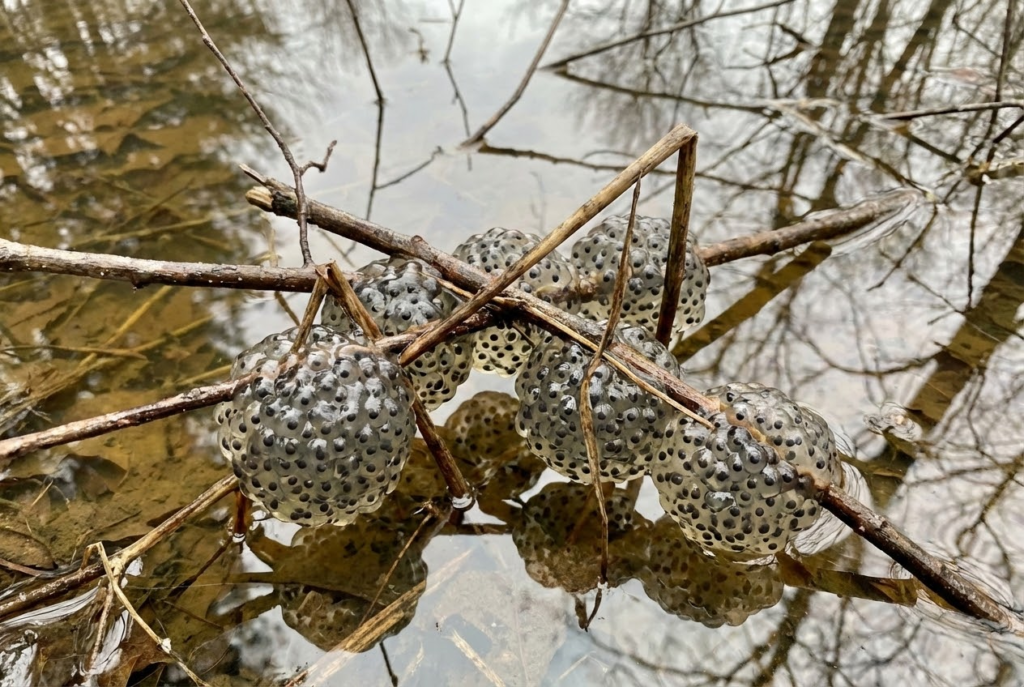
Not all amphibians use vernal ponds. American toads breed in permanent water. Bullfrogs need deep permanent ponds. Green frogs prefer water that lasts all year. These common species don’t need vernal ponds. The rare specialists do. Wood frogs breed nowhere else – they need seasonal ponds without fish. Spotted salamanders and blue-spotted salamanders are vernal pond obligates. Tiger salamanders prefer seasonal pools. Fairy shrimp only exist in fishless temporary water. These are the species vernal pond restoration targets. If your restoration supports American toads and green frogs, you built a regular pond. If it supports wood frogs and spotted salamanders, you created actual vernal pond habitat. We survey existing amphibian populations to determine restoration goals. Finding wood frog egg masses or salamander breeding activity confirms your site has potential. According to the EPA’s vernal pool conservation guidelines, protecting breeding habitat for these specialists requires maintaining proper hydroperiod and preventing fish colonization.
Managing the Surrounding Upland Buffer
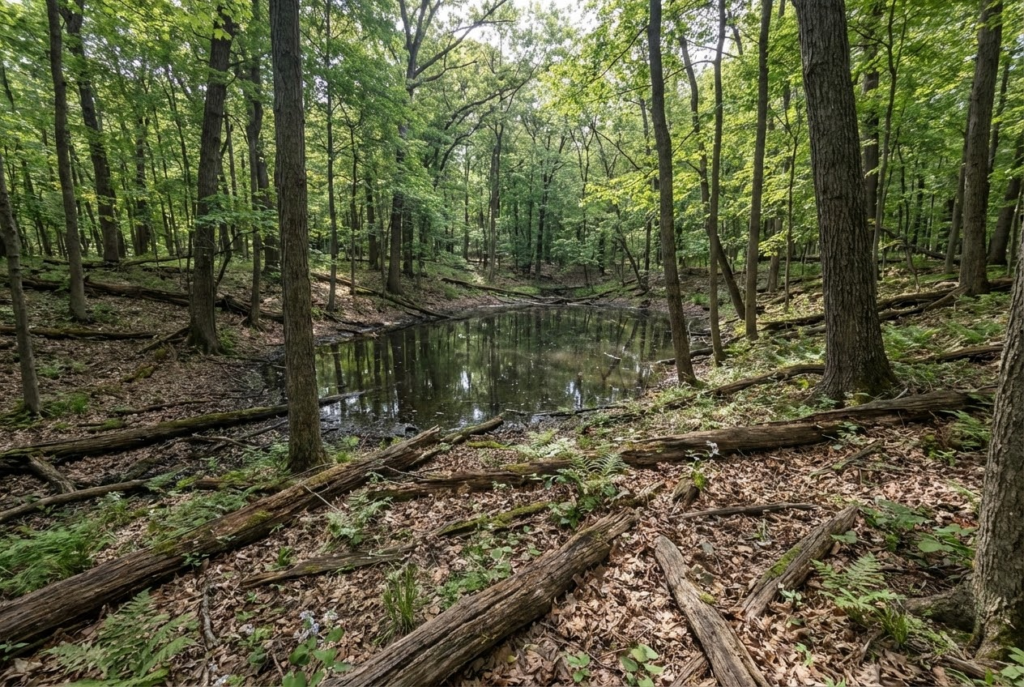
Vernal pond restoration isn’t just about the water. It’s about the forest around it. Salamanders spend 50 weeks per year in surrounding uplands. They only come to water for two weeks to breed. They need leaf litter, rotting logs, and forest floor habitat within 300 feet of the pond. Clear the surrounding forest and salamanders disappear even if pond hydrology is perfect. They can’t survive without upland refuge habitat. Wood frogs need similar buffers. Clearing, mowing, or development within 300 feet destroys the system. We map critical upland zones around restored ponds. These areas need protection from mowing, logging, or construction. Some sites need prescribed fire management in surrounding uplands but timing must avoid breeding season. Spring burns during amphibian migration kill adults moving to ponds. Fall burns after juvenile dispersal work better.
Planning for Climate Variability
Vernal ponds worked fine when climate was predictable. Fill in March, dry in July, every year like clockwork. Now nothing is predictable. Some years get 12 inches of rain in April and ponds stay wet until August. Other years barely rain and ponds dry by May. Restoration plans need to handle both extremes. We design overflow structures that handle extreme wet years without creating permanent outlets. We specify multiple basin depths supporting species with different hydroperiod requirements. Shallow zones work in dry years. Deep zones maintain water in drought years. This diversity ensures some habitat functions regardless of weather patterns. Providing vernal pond restoration services in Round Lake means accounting for climate uncertainty that didn’t exist 30 years ago.
Nobody Knows What Vernal Ponds Are
Most property owners and maintenance staff have never heard of vernal ponds. They see a low spot holding water in April and assume it’s a drainage problem that needs fixing. Or they notice it’s dry in August and think the restoration failed. Both assumptions lead to destruction. Someone digs an outlet ditch to drain the standing water. Or they excavate deeper and add a permanent water source so it stays full year-round. Either action destroys the habitat completely. We’ve watched municipalities spend $40,000 restoring vernal ponds only to have maintenance crews drain them the following spring because nobody told the crew what they were looking at. Education is harder than construction. Restoration plans need clear signage, staff training, and maintenance specifications that explicitly forbid “improvements” like drainage or deepening. Without this institutional knowledge transfer, restored vernal ponds get destroyed by well-meaning people trying to fix what looks broken.
Salamander Surveys Require Impossible Timing
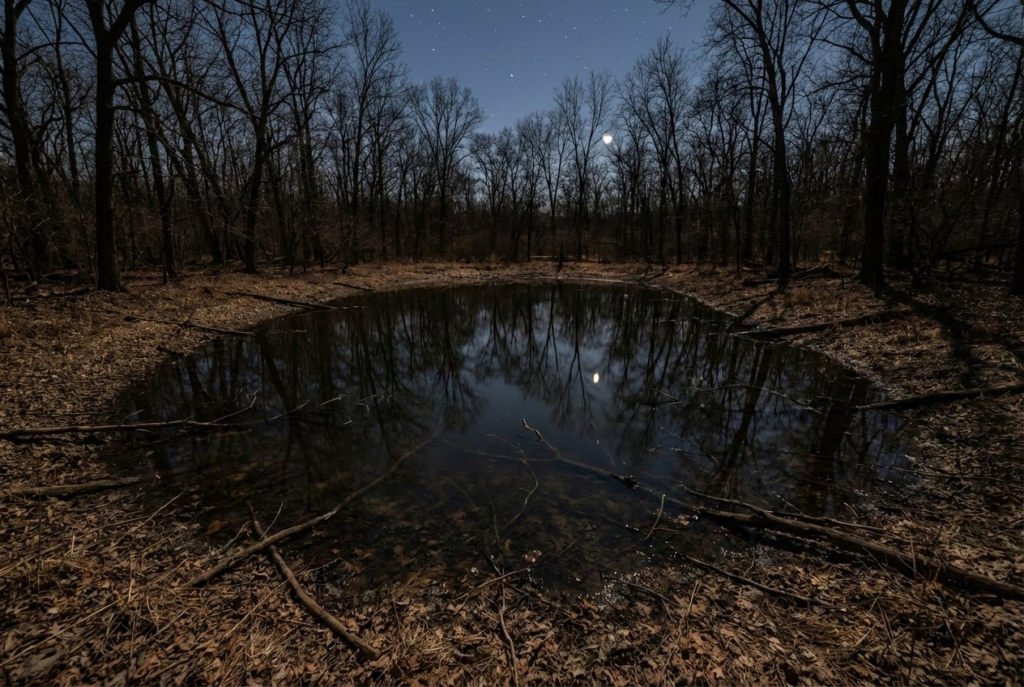
Vernal pond restoration success depends on documenting salamander breeding activity. But salamanders only breed for about two weeks in early spring. The exact timing depends on temperature and rainfall patterns that vary every year. Sometimes it’s mid-March. Other years late April. You have to survey at night during rainstorms when salamanders migrate to ponds. Miss the narrow window and you find no evidence of breeding even if hundreds of salamanders used the site. Most baseline surveys happen at wrong times – too early, too late, or on dry nights when nothing moves. Plans get written assuming no salamanders present when actually the survey timing failed. We know the specific weather triggers that initiate breeding migrations. Our surveys happen on correct nights during the active period so we document what’s actually using the site rather than missing everything due to bad timing.
Plan Your Vernal Pond Restoration
We can assess your site and create restoration plans that maintain seasonal hydrology while protecting ponds from well-intentioned destruction.
Call (847) 546-7353 for vernal pond restoration planning in Lake County.