
Expert Tree & Shrub Services in Round Lake, IL
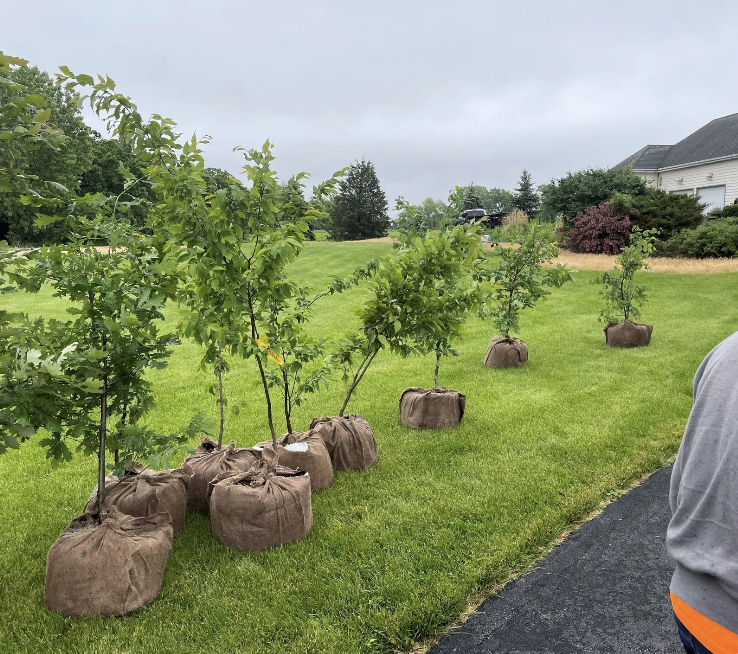
Tree & shrub services in Round Lake handle everything from planting to pruning to problem diagnosis. Trees and shrubs are permanent landscape features—plant the wrong species and you’re dealing with problems for decades. We select native species that actually thrive in Illinois conditions instead of struggling constantly. Professional planting ensures trees establish properly without staking failures or transplant shock. Pruning maintains health and structure rather than hacking branches randomly. Dead or diseased trees get removed safely before they fall on houses or cars.
Tree & Shrub Installation and Maintenance
Selecting Native Trees and Shrubs
Most landscape trees and shrubs sold at nurseries aren’t native to Illinois. They survive here but struggle constantly. Bradford pears split apart during storms. Burning bush spreads aggressively becoming one of the invasive species we remove from properties regularly.. Blue spruce dies from disease. Native species evolved here over thousands of years. They handle Lake County’s clay soil, temperature swings, and weather extremes without constant intervention. Oak trees support 500+ insect species feeding birds and wildlife. Maples provide shade and fall color without disease problems plaguing non-natives. Serviceberry offers spring flowers, summer fruit, and fall color in one package. We select species matching your site conditions—sun exposure, soil moisture, space available. Planting the right tree in the right place prevents decades of problems from choosing species that never belonged there.
Proper Tree Planting Techniques
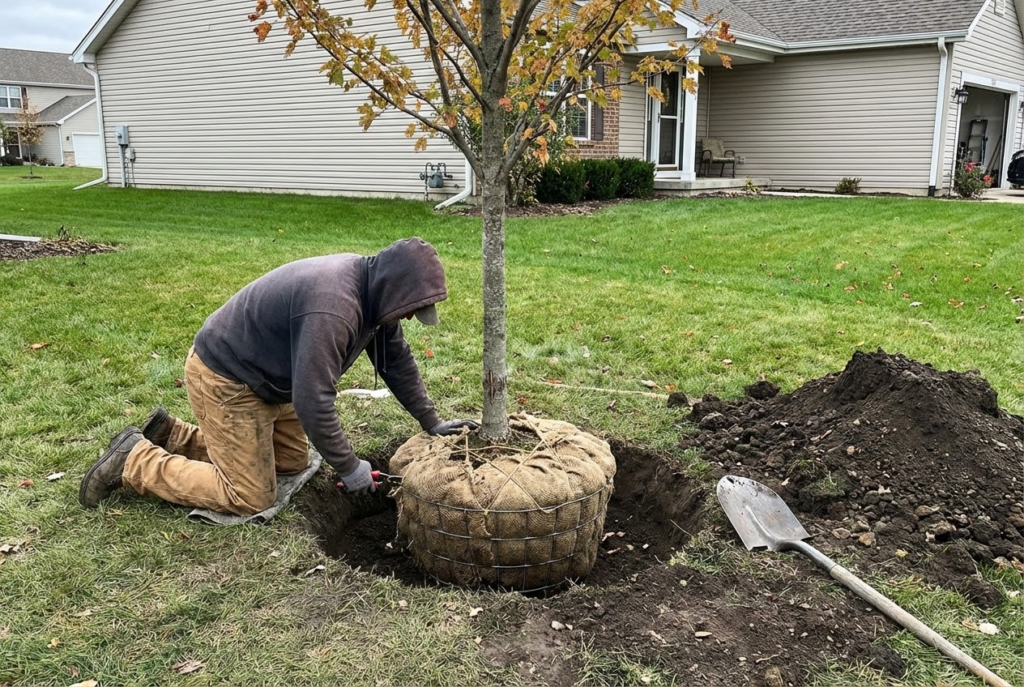
Most trees die from planting mistakes not maintenance failures. Planting too deep suffocates roots. Burying root flares causes decline. Small planting holes restrict root growth. Providing tree & shrub services in Round Lake means understanding that proper technique starts with holes twice as wide as root balls but no deeper. Our planting methods follow proper tree planting standards ensuring successful establishment and long-term health. Trees get planted at grade—the root flare should be visible above soil. Backfill uses existing soil, not amendments that create different soil textures roots won’t cross. We remove containers and burlap completely. Wire baskets get cut away from root balls. Staking only happens when necessary and gets removed after one year. Overwatering kills more newly planted trees than underwatering. Proper planting gives trees the best chance establishing successfully without years of struggle.
Shrub Installation and Spacing
Shrubs planted too close together create maintenance nightmares. They grow into each other requiring constant pruning maintaining separation. Disease spreads easily through dense plantings. Air circulation drops creating fungal problems. We space shrubs based on mature size not current nursery size. A shrub spreading 8 feet wide needs 8 feet of space. Planting them 3 feet apart looks better initially but creates problems within seasons. Groups of same species work better than single specimens scattered randomly. Odd numbers—groups of 3, 5, or 7—create natural appearance. Our native planting services often incorporate shrubs providing structure and year-round interest in landscape designs. Proper spacing and grouping creates low-maintenance plantings that improve over time instead of becoming overgrown messes requiring constant attention.
Pruning for Health and Structure
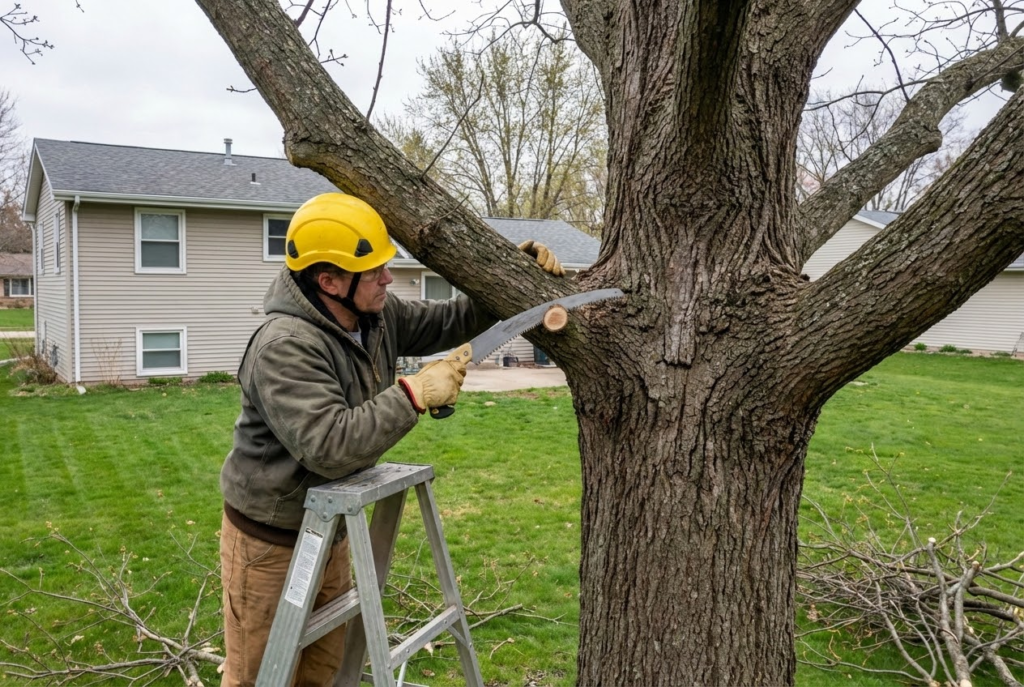
Pruning maintains tree and shrub health while developing proper structure. Young trees need pruning establishing strong branch architecture preventing problems later. We remove crossing branches, competing leaders, and weak attachment angles. Mature trees need removing dead wood, thinning dense growth, and addressing structural issues before they become hazards. Shrubs get different pruning depending on species—some bloom on old wood, others on new growth. Timing matters enormously. Pruning spring-blooming shrubs after they flower preserves next year’s blooms. Fall pruning stimulates growth that winter damage kills. We prune at appropriate times using proper techniques making cuts that heal quickly without leaving stubs or flush cuts damaging trees.
Diagnosing Tree and Shrub Problems
Trees and shrubs show stress through symptoms most people misinterpret. Yellow leaves might indicate overwatering, underwatering, nutrient deficiency, or root damage. Wilting could mean drought, root rot, or vascular disease. Dead branches might result from environmental stress, insect damage, or disease. Proper diagnosis requires understanding normal growth patterns and recognizing when something’s actually wrong versus seasonal variation. Some problems need immediate treatment. Others resolve naturally. We identify issues causing decline rather than treating symptoms. Sometimes the problem isn’t the tree—it’s planting location, soil conditions, or maintenance practices. Correct diagnosis prevents wasting money on treatments that won’t help.
Tree Removal and Stump Grinding
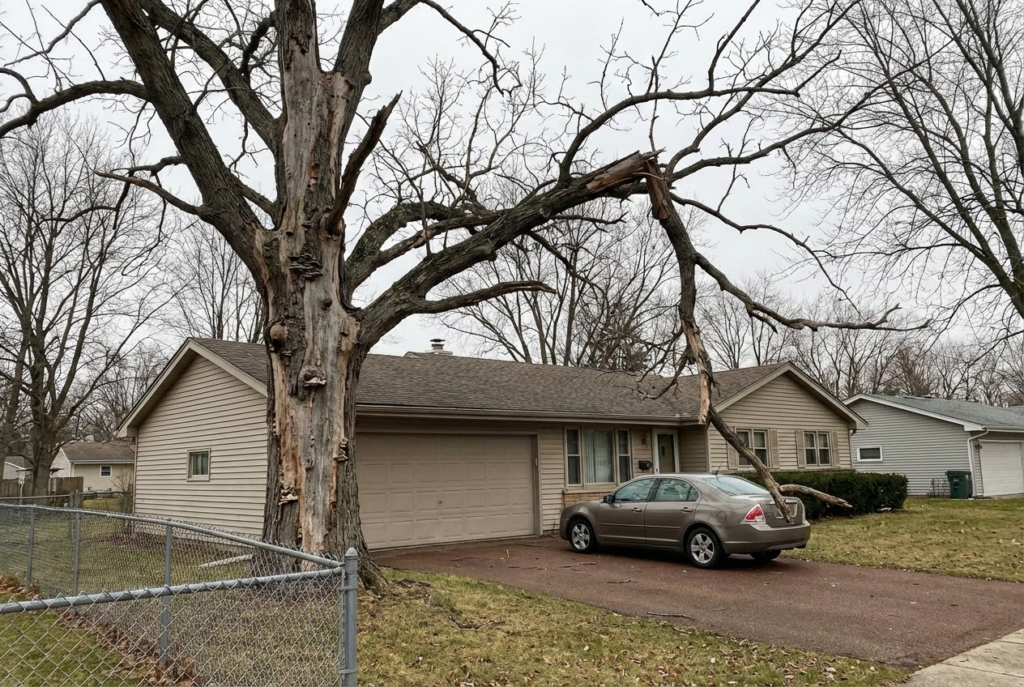
Dead or hazardous trees need removal before they fall causing damage. Removal involves controlled cutting bringing trees down safely without hitting structures, utilities, or other trees. Large trees need rigging lowering sections piece by piece. Some situations require crane work. We handle cleanup removing all wood and debris. Stumps get ground below grade allowing replanting or grading over areas. Leaving stumps creates trip hazards and prevents using space for other purposes. Some properties need multiple problem trees removed creating opportunities for replanting appropriate species. Tree removal often coordinates with erosion control work when removing trees on slopes or installing new plantings stabilizing areas.
Seasonal Tree and Shrub Care
Trees and shrubs need different care depending on season. Spring involves inspecting for winter damage, pruning before growth starts, and addressing any issues that developed. Summer focuses on watering during droughts and monitoring for pest or disease problems. Fall means planting season—cooler temperatures and fall rains help establishment. Winter allows pruning deciduous species when structure is visible and sap isn’t flowing. We adjust care seasonally ensuring trees and shrubs get appropriate attention when they need it most. Timing interventions properly prevents wasting effort on tasks that won’t help or could cause harm.
That Tree You Plant Today Is Still There in 2055
Plant a tree and you’re stuck with it for thirty years minimum. Pick wrong and you live with the mistake that long. Bradford pears look nice for ten years then split apart crushing fences and cars. Ash trees die from bugs requiring $3,000 removal. Silver maples crack your foundation. These aren’t maybe problems. They’re happening right now on properties all over Lake County. People who planted cheap trees twenty years ago are cutting them down today. The oak trees planted the same year? Still growing. Still healthy. Still adding value. Trees aren’t annual flowers you replace next season. You’re choosing what your yard looks like until 2055. Pick based on thirty years from now not what looks good this weekend.
Dead Trees Fall Without Warning
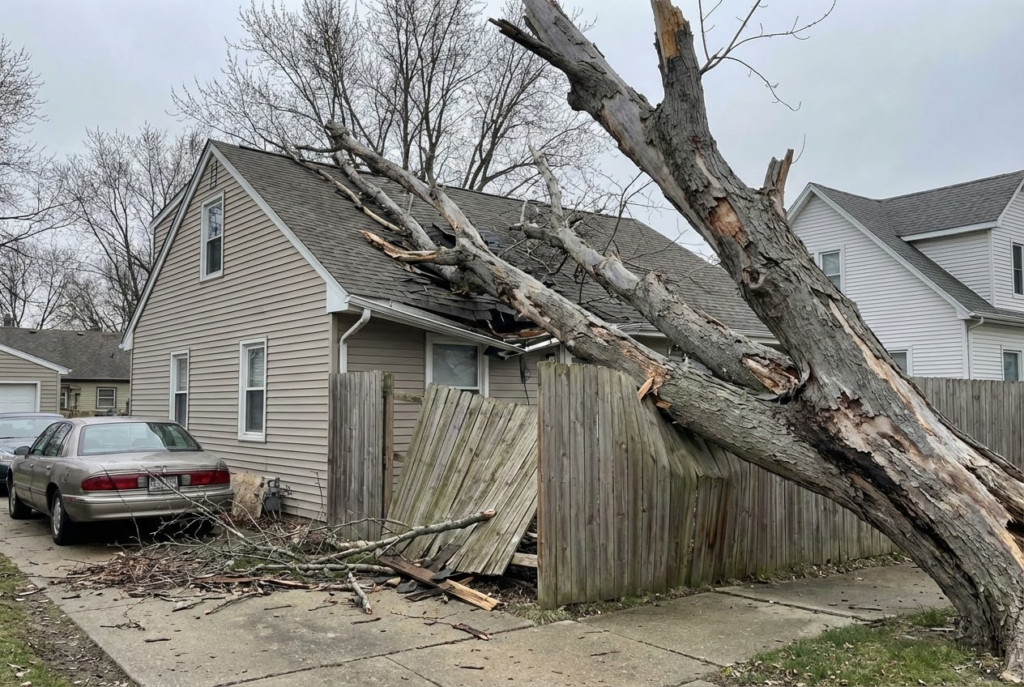
Dead trees don’t schedule appointments. They fall when they want. Sometimes during storms. Sometimes on calm Tuesday afternoons. That dead tree you keep meaning to deal with? It’s getting weaker every day. One morning it falls through your roof. Or crushes your car. Or lands on the neighbor’s yard. Now you’re paying for tree removal plus thousands in damage. Happens constantly throughout Lake County. People wait because removal costs money. Then the tree falls and they’re paying ten times more fixing everything it destroyed. Dead trees aren’t eventually problems. They’re today problems that get more expensive the longer you ignore them.
Get Professional Tree & Shrub Care
Trees last decades. Plant the right ones.
Call (847) 546-7353 for tree & shrub services throughout Illinois and parts of Wisconsin.