
Retaining Wall Installation in Round Lake, IL
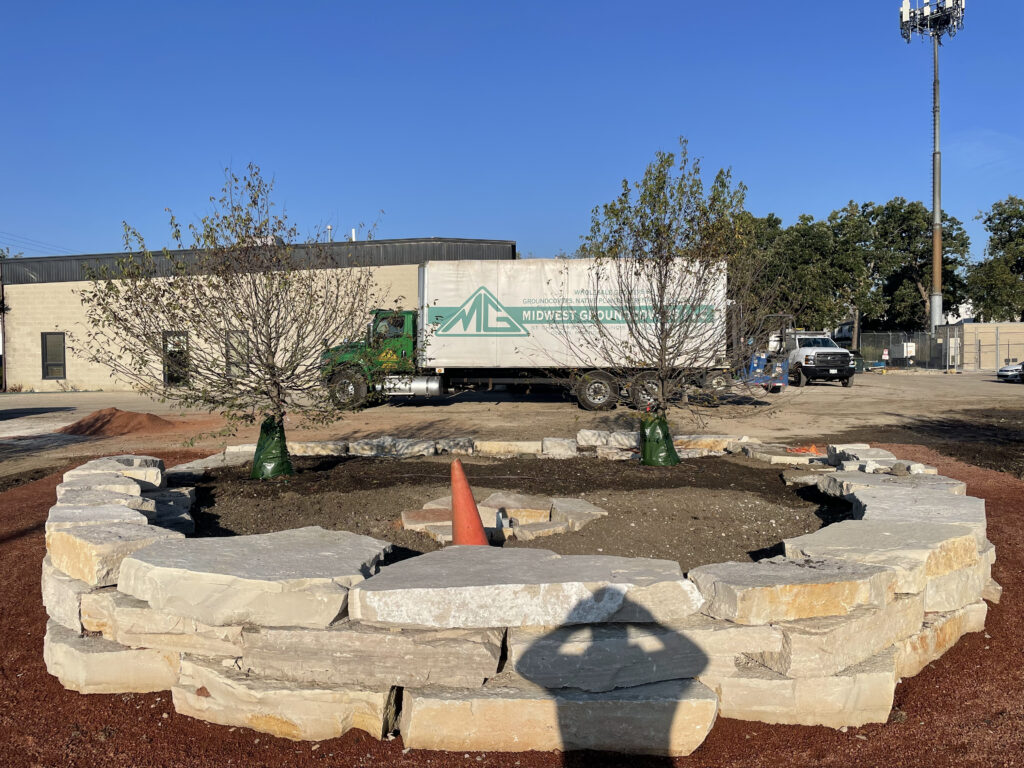
Retaining wall installation in Round Lake creates functional solutions for slope problems and grade changes. Walls hold back soil on steep properties, create level planting beds and usable outdoor spaces, and prevent erosion destroying yards. Professional installation requires proper footings, drainage systems behind walls, and construction methods handling Lake County’s freeze-thaw cycles. Poorly built walls fail within years through tilting, cracking, or collapse. Proper installation creates permanent structures lasting decades.
Creating Permanent Retaining Walls
Understanding Wall Height and Engineering Requirements
Wall height determines complexity and engineering needs dramatically. Walls under three feet typically need minimal structural calculations and can use standard construction methods. Walls three to four feet tall require more attention to footing depth and drainage design. Anything taller than four feet usually requires engineering plans, building permits, and more substantial construction techniques. Some municipalities require engineering regardless of height. Height also affects cost exponentially not linearly—a six-foot wall doesn’t cost twice as much as a three-foot wall, it costs three or four times more because of foundation requirements, drainage complexity, and structural demands. Properties with severe grade changes sometimes need multiple shorter walls terraced down slopes instead of single tall walls. This approach costs less, drains better, and creates planting opportunities between tiers.
Foundation Work That Prevents Failure
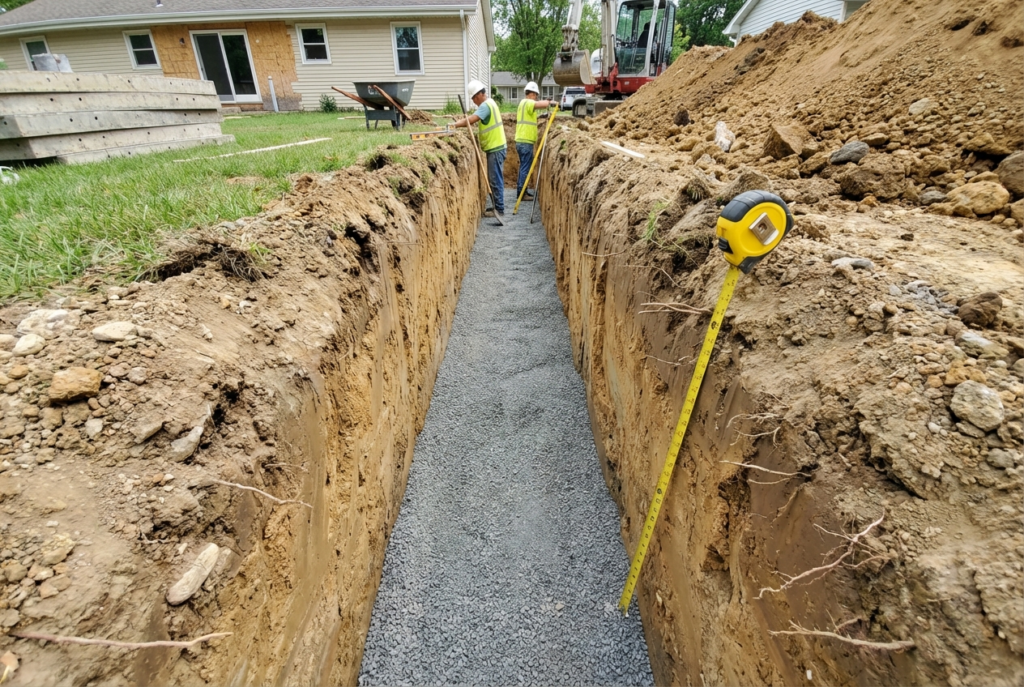
Retaining walls fail from the bottom up. Inadequate footings allow walls to shift, tilt, or settle unevenly. Foundation depth depends on wall height and soil conditions. Typical residential walls need footings extending below frost line—48 inches deep in northern Illinois. Shallower footings frost-heave during winter causing walls to tilt forward or crack. Footing width provides stability—generally one-third to one-half the wall height. A four-foot wall needs 18-24 inch wide footing. Footings get poured on compacted subsoil or gravel base, never on topsoil or organic material that compresses over time. Lake County’s clay soil presents challenges requiring proper excavation and base preparation. Providing retaining wall installation services in Round Lake means understanding that foundation work happens underground where shortcuts never get seen until walls fail years later.
Drainage Systems Behind Retaining Walls
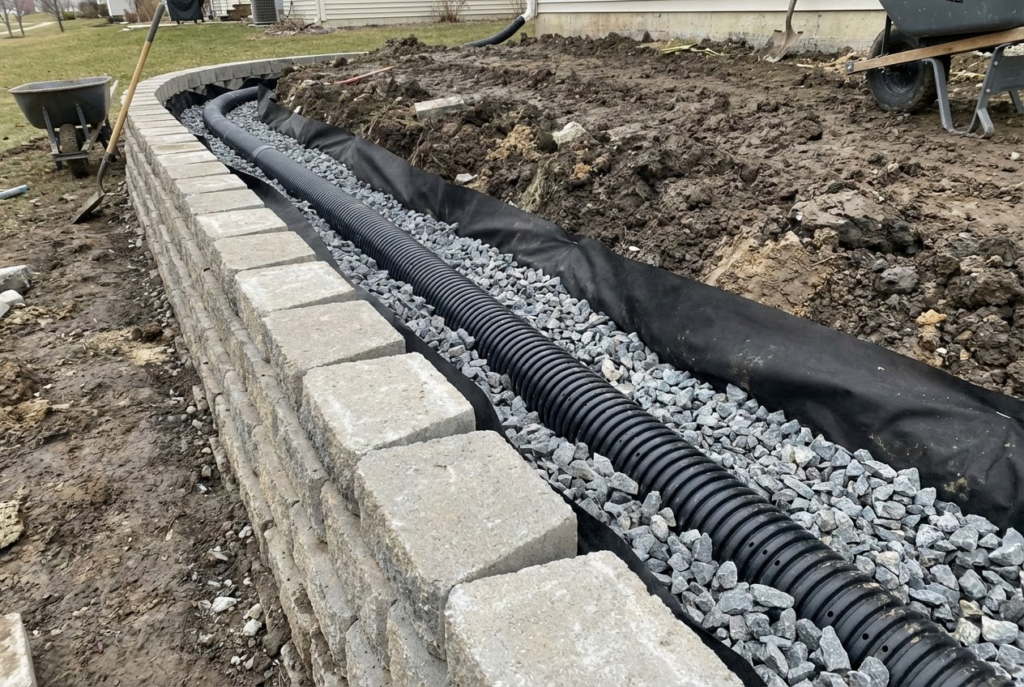
Water pressure behind retaining walls causes most structural failures. Saturated soil weighs dramatically more than dry soil creating hydrostatic pressure pushing walls forward. Without proper drainage, this pressure eventually wins. Every retaining wall needs drainage preventing water accumulation behind the structure. Perforated drain pipe runs along the footing base collecting water and directing it away. Gravel backfill behind walls allows water to reach drain pipes instead of saturating soil. Geotextile fabric separates gravel from soil preventing clogging. Drainage outlets need clear paths moving water away from wall bases. Sometimes this connects to existing drainage systems handling broader property water management. Skipping drainage saves money during construction but guarantees expensive repairs or complete wall replacement within five to ten years.
Material Selection for Different Applications
Material choice affects appearance, cost, installation complexity, and longevity. Segmental retaining wall blocks follow engineered retaining wall systems with built-in drainage and proven construction methods. These engineered systems install quickly at moderate cost with reliable performance. Natural stone walls create timeless appearance aging gracefully but require skilled installation and cost significantly more. Stone walls need careful fitting and construction expertise most contractors lack. Poured concrete handles utilitarian applications where function matters more than appearance—along driveways or industrial areas. Timber walls work for temporary solutions or informal garden areas but deteriorate requiring replacement within 10-15 years. Boulder walls suit naturalized settings where rugged aesthetics enhance surroundings. Material selection depends on budget, desired appearance, wall height, and how the wall integrates with overall landscape design.
Construction Techniques and Wall Batter
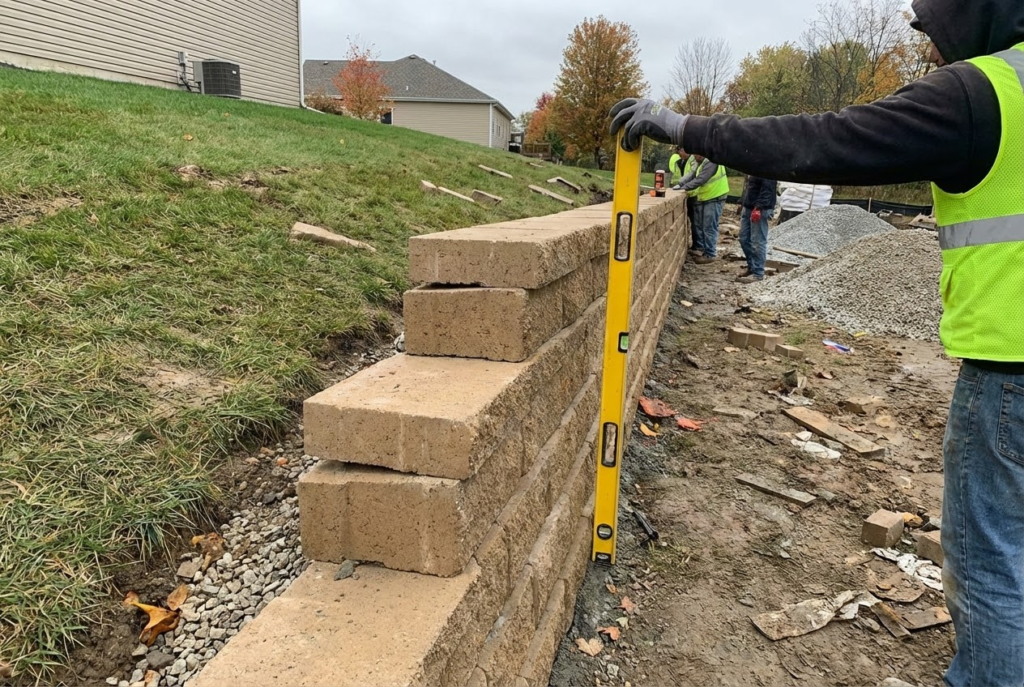
Proper construction techniques separate walls lasting decades from those failing prematurely. Segmental block walls need each course set level before adding the next. Blocks get pinned or glued depending on height and system requirements. Wall batter—the backward lean into the slope—provides structural stability. Most retaining walls lean back 1-2 inches per foot of height. This batter works with gravity instead of fighting it reducing forward pressure. Vertical walls look fine initially but lack structural advantages battered walls provide. Backfill material gets added in layers as wall height increases. Each layer needs compaction before adding more preventing settlement behind walls creating voids. Cap stones finish wall tops protecting the structure and creating clean appearance. Our hardscape construction experience ensures proper techniques throughout installation.
Integration with Slopes and Landscaping
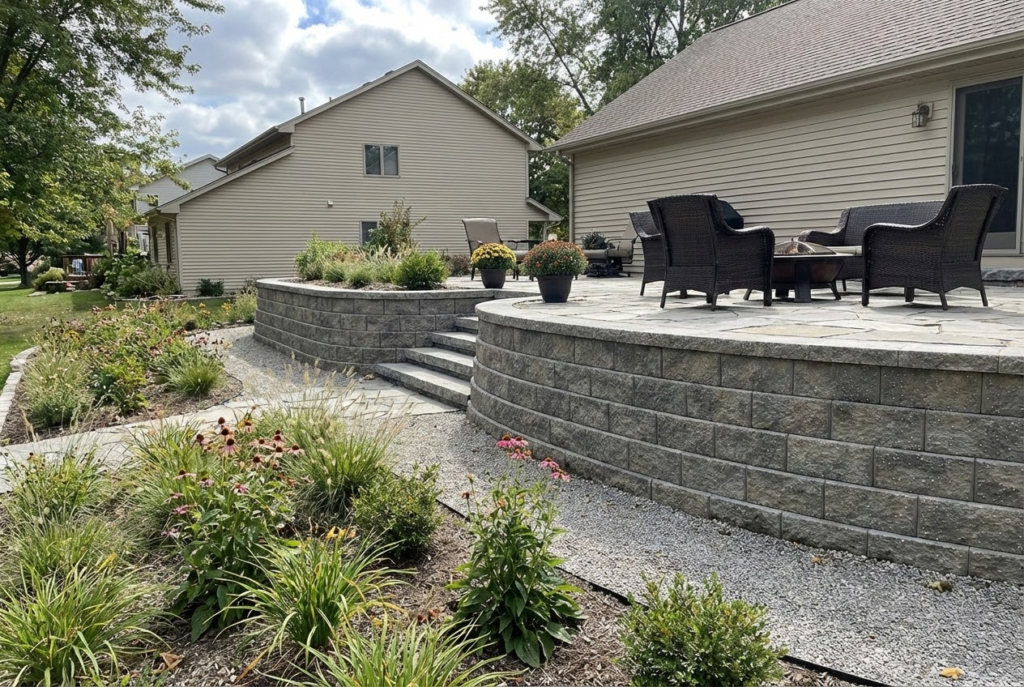
Retaining walls rarely exist alone. They create level areas for patios, lawns, or planting beds. Many projects combine walls with steps, walkways, and other hardscape elements creating cohesive outdoor spaces. Wall design considers drainage from areas above and below. Water needs controlled paths rather than washing over wall faces causing erosion and staining. Planting areas above walls need irrigation planning that won’t saturate soil behind structures. Some walls incorporate planting pockets or terraced gardens softening appearance. Integration with native plantings creates low-maintenance landscapes once established. Planning everything together produces better results than building walls then figuring out landscaping afterward. Wall placement affects sun exposure, drainage patterns, and how people move through outdoor spaces.
Structural Integrity Over Decades
Well-built retaining walls improve properties for 30-50 years with minimal maintenance. That longevity requires proper foundation depth, adequate drainage, appropriate materials, and correct construction techniques. Walls settle slightly during first season as backfill consolidates—this is normal. Ongoing settlement, tilting, or cracking indicates problems. Annual maintenance involves checking drainage outlets stay clear, removing debris from behind walls, and monitoring for any structural movement. Segmental block walls may need occasional releveling of cap stones. Stone walls need periodic repointing if mortar joints deteriorate. Most maintenance is minor compared to replacing failed walls. Properties throughout Lake County have walls we installed 15-20 years ago still functioning perfectly because construction was done right initially.
Watching Retaining Walls Fail in Slow Motion
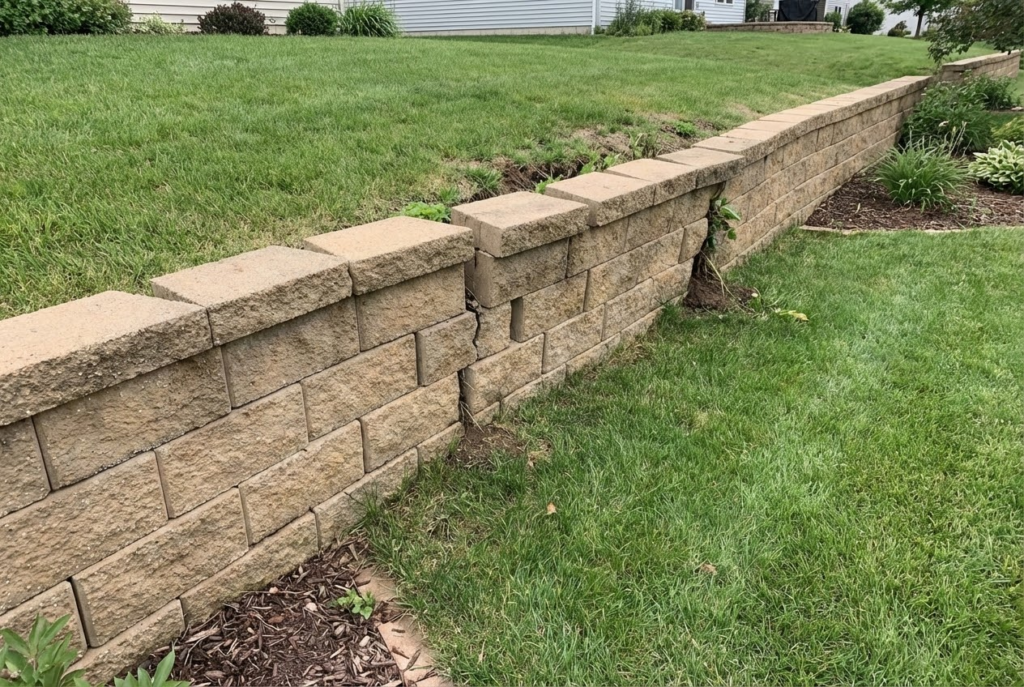
Retaining walls don’t collapse overnight. They tilt forward an inch one year. Another inch the next year. Cracks appear along the third course. Drainage stops working because pipes crushed under pressure. By year five you’re debating whether to fix it or tear it out. Every homeowner with a failing wall says the same thing—”I should have built it right the first time.” They all knew cutting corners was risky. The contractor convinced them it would be fine. It wasn’t fine. Now they’re spending twice as much replacing a wall that should have lasted 30 years. We’ve installed enough replacement walls to hear this story repeatedly. Nobody regrets paying for proper construction. Everyone regrets trying to save money on foundation work they couldn’t see.
Gravity Never Stops Testing Your Wall
Retaining walls fight constant pressure from thousands of pounds of soil pushing forward. Gravity works 24/7/365 finding any weakness in construction. Inadequate footing depth. Missing drainage. Poor compaction. Cheap materials. Gravity finds them all eventually. The question isn’t if substandard walls will fail—it’s when. Some make it five years. Others fail within three. Properly engineered and constructed walls handle this constant pressure for decades because foundation work, drainage systems, and construction techniques were done correctly from the start. Gravity doesn’t care about excuses or budget constraints. It just keeps pushing until something gives.
Build Your Retaining Wall
Stop dealing with slope problems. Let’s build a retaining wall that stays standing.
Call (847) 546-7353 for retaining wall installation throughout Illinois and Southern Wisconsin.