Premier Prairie Restoration and Installation in Round Lake
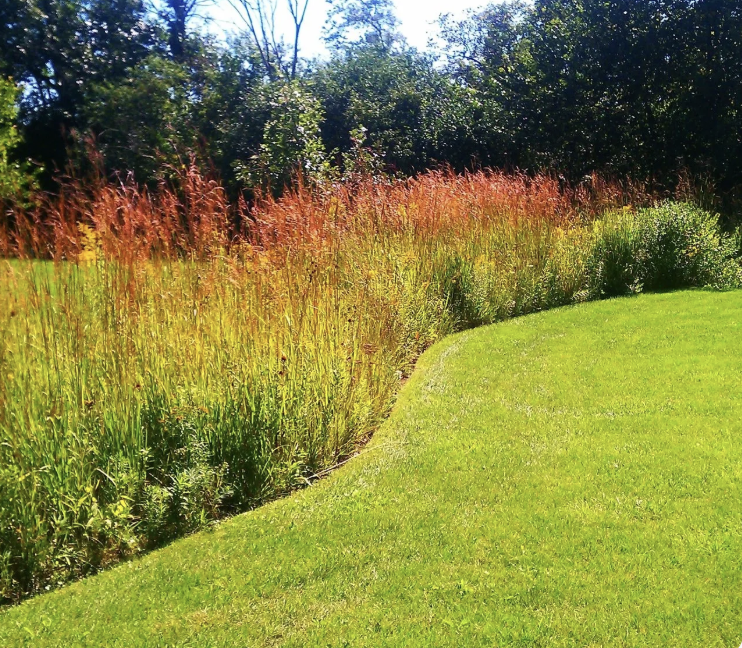
Prairie restoration and installation in Round Lake replaces expensive lawns with landscapes that take care of themselves. Stop paying for weekly mowing, irrigation systems, and fertilizer bills. Prairie roots grow fifteen feet deep preventing flooding naturally. We install Illinois native grasses and wildflowers that attract butterflies and birds while costing thousands less annually than traditional landscaping. Installation takes planning and proper techniques, but prairies maintain themselves after establishment.
Creating Self-Sustaining Prairie Landscapes
What is Professional Prairie Installation?
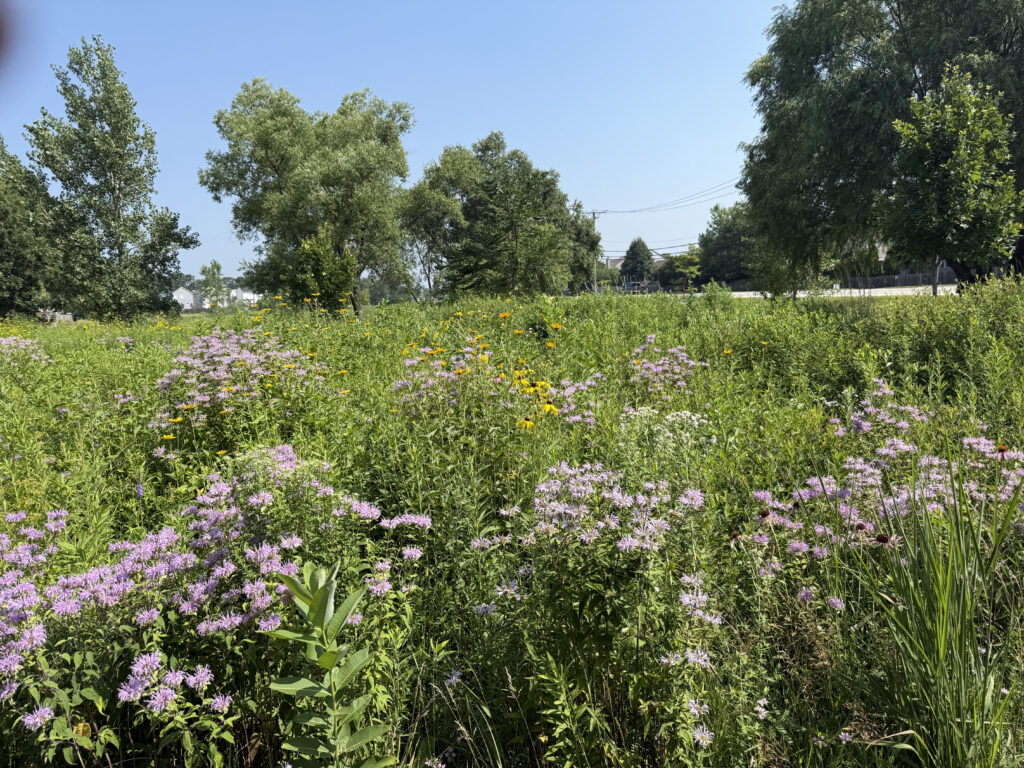
Prairie installation transforms high-maintenance lawns into self-sustaining ecosystems using Illinois native grasses and wildflowers. The process replaces turf grass with dozens of prairie species creating landscapes that maintain themselves after establishment. Professional installation involves complete existing vegetation removal, soil preparation, strategic species selection, proper seeding or plug planting techniques, and three-year establishment management. Our species selection follows native prairie species guidelines ensuring authentic Illinois prairie ecosystems. This isn’t scattering wildflower seeds and hoping—it’s engineered ecosystem creation requiring specialized knowledge of prairie ecology, native plant requirements, and establishment techniques. Done right, prairies eliminate lawn maintenance costs while creating landscapes that improve annually instead of requiring constant inputs.
Ecological Benefits of Native Grasslands
Creating Pollinator Corridors
Prairie landscapes support butterfly and native bee populations that ornamental plantings can’t match. Monarch butterflies need milkweed species as host plants. Native bees work prairie flowers that honeybees ignore. Goldfinches eat prairie seed heads through winter. Prairies create “pollinator corridors” connecting fragmented habitats allowing species movement across developed areas. Properties with prairie plantings see dramatically higher wildlife diversity than traditional landscapes. This matters beyond aesthetics—declining pollinator populations threaten food production. Installing prairies on private property creates meaningful conservation impact while also creating beautiful, functional landscapes.
Natural Flood Control Through Deep Roots
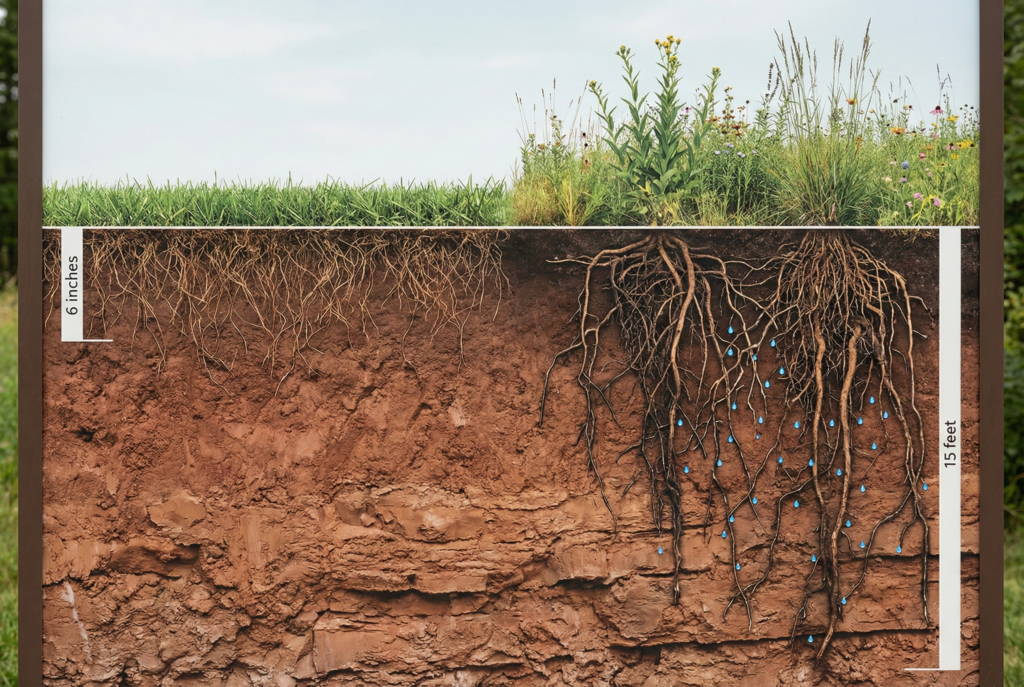
Prairie roots extend ten to fifteen feet deep creating natural drainage systems. Big bluestem roots reach eight feet. Compass plant roots hit fifteen feet. These massive root systems absorb rainfall like giant underground sponges preventing surface flooding. Properties with prairie areas handle heavy storms without water pooling or runoff problems. Clay soil around Lake County drains poorly—prairie roots punch through compacted clay improving drainage naturally over time. Compare this to lawn grass with six-inch shallow roots that do nothing for drainage. One acre of established prairie can absorb and filter thousands of gallons of stormwater preventing flooding and improving water quality.
Our Prairie Design & Installation Process
Matching Prairie Species to Your Site
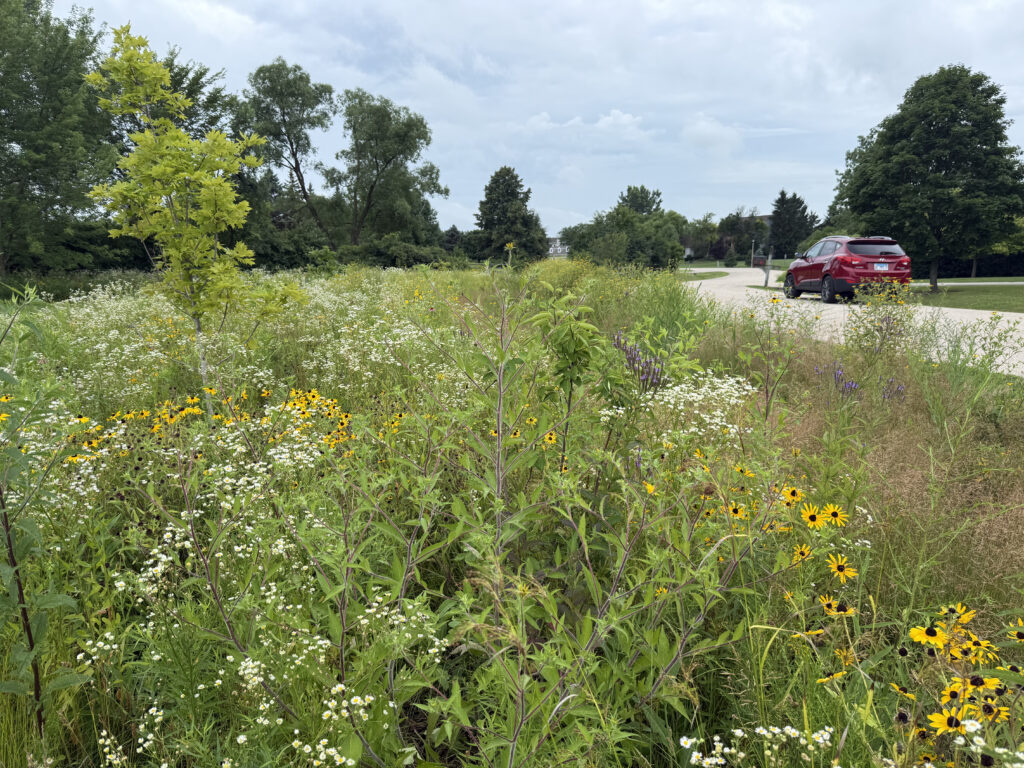
Providing prairie restoration and installation in Round Lake means understanding that site evaluation determines which prairie species will thrive on your property. We assess sun exposure, soil moisture patterns, drainage characteristics, and existing vegetation. Soil testing reveals pH, nutrient levels, and composition affecting species selection. Wet areas need different prairie species than dry slopes. Clay soil requires different approaches than sandy or loamy conditions. We also evaluate surrounding landscape—what’s growing on neighboring properties, invasive species pressure, potential seed sources for weeds. This evaluation creates the species list and installation plan specific to your site rather than generic prairie seed mixes that perform inconsistently across different conditions.
Seed Bed Preparation & Invasive Species Control
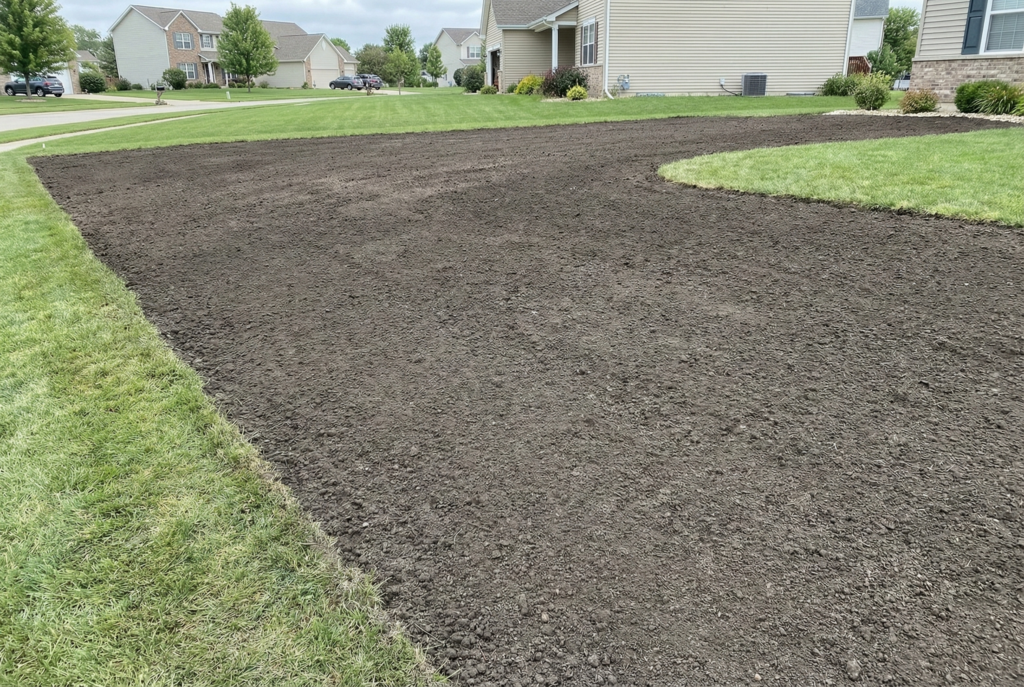
Proper preparation makes or breaks prairie installation success. Existing vegetation must be completely eliminated before planting. Kentucky bluegrass, cool-season lawn grasses, and invasive species will outcompete prairie seedlings without thorough removal. We typically use targeted herbicide applications followed by monitoring for regrowth. This process takes several months—rushing guarantees failure. Organic methods work but require longer timelines and more intensive management. The goal is bare, weed-free soil ready for seeding or planting. Some sites need multiple herbicide rounds for persistent invasive species. Preparation seems excessive until you see prairies fail from inadequate weed control.
Native Seeding & Plug Planting Techniques
Prairie installation uses two approaches—broadcasting seed or planting container plugs. Seeding covers large areas economically using specialized prairie seed mixes. Seeds get mixed with sand for even distribution, broadcast by equipment or hand, then rolled for soil contact. Timing matters—fall seeding allows natural cold stratification over winter. Spring seeding works but requires different seed treatment. Plug planting uses container-grown prairie plants providing instant coverage and precise species placement. Plugs establish faster showing better first-year results but cost significantly more than seeding. Most projects combine methods—plugs in prominent areas, seed for larger zones. Our native planting techniques ensure proper installation whether seeding or using plugs.
Long-Term Prairie Management & Maintenance
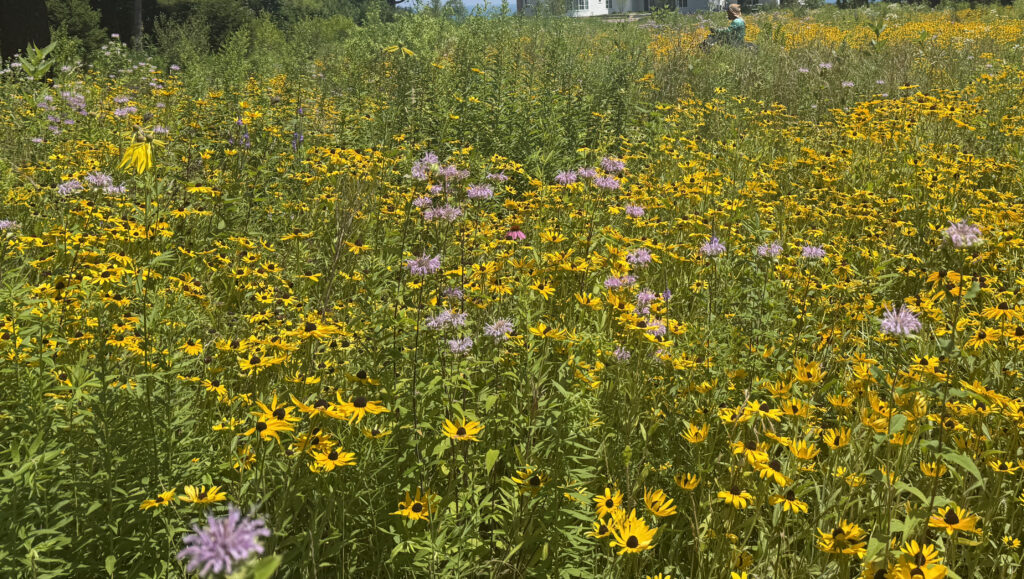
Established prairies need annual management but nothing resembling lawn maintenance. Most properties mow prairies once yearly in late winter removing dead growth and preventing woody plant encroachment. Some properties use prescribed burns achieving the same result while releasing nutrients—but burns require permits and professional execution. Neither method is required for all prairies, especially naturalized areas away from structures. Occasional invasive species spot-treatment may be needed depending on surrounding landscape. Properties often combine prairie areas with hardscape features like paths or patios creating usable outdoor spaces within naturalized landscapes. First three years require more intensive management as prairie establishes. By year four, maintenance becomes minimal—annual mowing or burning, occasional weed spot-treatment, nothing more. Compare this to weekly mowing, fertilizing, irrigation, and weed control that traditional lawns demand. Prairie management costs are minimal while landscapes improve annually as plants mature.
Understanding Prairie Establishment Takes Experience
Prairie installation looks straightforward until you’re managing year-one establishment. Most landscapers seed prairies then wonder why they fail—turns out prairie ecology doesn’t follow lawn installation rules. Weeds dominate first year. Customers panic thinking installation failed when plants are actually developing massive root systems underground. Species compete differently than expected. Seeding rates that seem adequate produce sparse results. We’ve installed prairie landscapes since the late 1990s when almost nobody offered this service. That timeline means understanding which species combinations actually work, what first-year management prevents failure, and how to keep customers confident during establishment when prairies look rough. Experience distinguishes successful prairie installations from expensive failures.
Results That Prove the Investment
Properties where we installed prairies fifteen to twenty years ago demonstrate what proper installation creates long-term. Dense native vegetation requiring zero irrigation. No fertilizer ever applied. Annual mowing costs less than one month of lawn service. These landscapes actually improved over two decades while traditional landscapes declined and needed replacement. Prairies also increased property values—native grasslands on large lots appeal to buyers wanting low-maintenance estates. The ecological benefits matter too. Butterfly populations on prairie properties far exceed neighboring lawns. That combination—cost savings, property value, wildlife habitat—justifies initial installation investment.
Start Your Prairie Installation
Ready to eliminate lawn maintenance costs? Let’s evaluate your property for prairie installation.
Call (847) 546-7353 for prairie restoration and installation. Serving Round Lake, Lake County, and throughout northern Illinois.