
Hardscape Design Services in Round Lake, IL
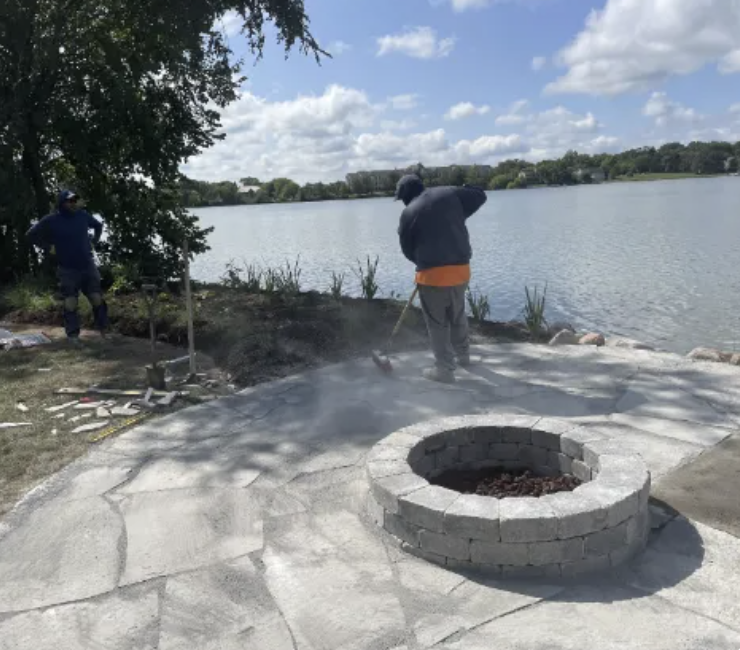
Hardscape design determines how you move through and experience outdoor space. Patios, walkways, retaining walls, and steps need technical precision and spatial planning to work long-term. David designs hardscapes that integrate with your landscape—not generic contractor layouts. Material selection accounts for Lake County’s freeze-thaw cycles. Grading incorporates drainage solutions invisibly. Spatial planning considers actual use patterns, sightlines, and how spaces connect to architecture. The deliverables include construction-ready plans with specifications contractors can bid from and build to. Hardscape should feel inevitable, like it’s always belonged there, while solving practical challenges most people never notice.
What Our Hardscape Design Services in Round Lake Covers
Hardscape encompasses every built element in your landscape—patios, walkways, retaining walls, steps, courtyards, and driveways. These aren’t afterthoughts but permanent features that shape how people experience outdoor space. Get them wrong and you’re looking at expensive replacements that proper planning would have prevented.
Patios and Terraces

Outdoor living spaces need more than flat surfaces where you can arrange furniture. Size matters because an undersized patio feels cramped once furniture and people arrive. Oversized ones resemble parking lots and lack any sense of enclosure.
Placement drives function more than most people realize. Southern exposure creates sun-drenched spaces perfect for spring and fall but brutal during summer afternoons. Northern areas stay cooler but can feel perpetually shaded. East-facing patios catch morning light without intense afternoon heat.
Proper slope keeps water running away from foundations without creating noticeable tilt. Nobody should notice the grading—which means it’s done right. Too flat and water pools after rain. Too steep and furniture feels unstable.
Material selection drives both aesthetics and long-term performance:
- Bluestone weathers beautifully over decades but costs significantly more than alternatives
- Flagstone offers irregular natural character yet demands skilled installation to avoid uneven surfaces
- Permeable pavers handle drainage while meeting municipal stormwater requirements
- Concrete provides budget-friendly versatility with modern finishing techniques
Each material brings trade-offs between cost, durability, and maintenance requirements. Design plans specify materials based on performance in Lake County conditions, not just appearance. For more detail on outdoor living space planning, see patio design services.
Walkways and Paths
Paths control more than just movement between areas. They frame views and create rhythm through the landscape. Width determines whether two people can walk comfortably side-by-side or if it becomes single-file. Curves feel natural but need purpose rather than arbitrary decoration.
Think about how you actually move through outdoor space daily. Direct routes make sense for high-traffic areas between the garage and front door. Wandering paths suit garden exploration where the journey itself matters.
Material choices vary based on formality and function:
- Cut stone creates permanence and connects architecturally to the home’s foundation
- Gravel offers flexibility with superior drainage in areas prone to standing water
- Stepping stones suit informal garden areas where you want softer edges
- Mulch paths work in woodland settings where they blend into natural surroundings
Steps require precision most people never consider. Too steep becomes hazardous, especially during winter when ice accumulates. Too shallow feels awkward and wastes horizontal space. Rise and run calculations are based on comfortable human movement patterns, not arbitrary numbers.
Retaining Walls
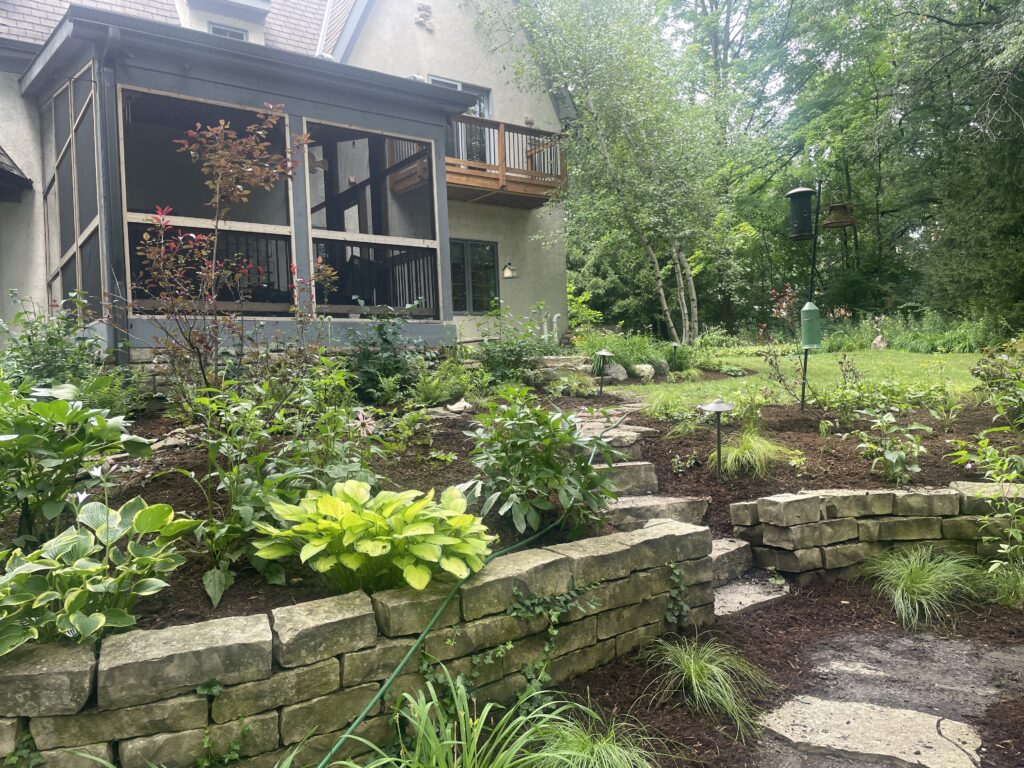
Grade changes present both challenges and opportunities for creating dynamic outdoor spaces. Retaining walls solve slope problems while creating level planting beds and defined outdoor rooms. Wall height determines engineering complexity. Anything under four feet typically needs minimal structural analysis. Taller walls require proper engineering, substantial footings, and integrated drainage systems. Skip these steps and the wall fails within a few seasons.
Material selection affects cost, longevity, and landscape character:
- Natural stone walls age gracefully and echo regional geology
- Segmental block systems install faster at lower cost with reliable performance
- Poured concrete handles utilitarian applications where function trumps appearance
- Boulder walls suit naturalized settings where rugged aesthetics enhance surroundings
Design plans include wall profiles, footing specifications, and drainage details contractors need for accurate bids. Vague drawings lead to change orders and disputes about additional costs. Retaining walls create planting opportunities for native species that thrive in specific microclimates.
Drainage Integration
Every hardscape element either helps or hinders site drainage. There’s no neutral ground here. Poorly designed patios create ice patches in winter and standing water in spring. Walkways without proper pitch become streams during heavy rain. Retaining walls fail when hydrostatic pressure builds behind them without release.
Smart design integrates drainage from the beginning. Proper grading, subsurface systems, and strategic rain garden placement transform problems into functional features. Permeable surfaces reduce runoff while maintaining usability. These solutions get specified in construction documents, not improvised during installation.
Lake County receives substantial rainfall throughout the year. Hardscape that doesn’t account for water movement will cause problems. Not might—will. The question isn’t if but when drainage issues appear.
Complete Construction Documentation
Design plans include thorough material specifications covering stone type, thickness, color range, and finish requirements. Construction details illustrate base preparation, edge restraints, joint spacing, and installation methods. Cross-sections show every layer from subgrade to finished surface. All details follow industry installation standards to ensure contractor clarity and long-term performance.
These aren’t decorative sketches for homeowner approval. They’re technical documents preventing contractor confusion and ensuring proper installation. Detailed plans mean accurate bids and fewer surprises during construction. Ambiguous drawings cost everyone time and money.
Why Hardscape Design Matters Long-Term
Hardscape represents the largest single investment most property owners make in their landscape. Unlike plantings that you can move or replace fairly easily, patios and walls are permanent features. Poor decisions become expensive regrets that require jackhammers to undo.
The difference between adequate hardscape and exceptional work reveals itself over time. Proper base preparation prevents the settling and cracking that shows up three years later. Appropriate material selection means surfaces age gracefully instead of looking worn out or dated within five years. Integrated drainage solutions prevent ice buildup and erosion that compromise both safety and the structure itself.
Working with someone who understands both design principles and actual construction means fewer unpleasant surprises during installation. Contractors can bid accurately when they have detailed plans to work from. You’re not scrambling to make material decisions under pressure when the crew shows up asking what comes next. Everything’s been thought through and specified before anyone starts digging.
Hardscape often works in conjunction with broader residential landscape design to create cohesive outdoor environments. Large properties require estate-scale planning that accounts for multiple outdoor rooms and circulation patterns.
Get Started With Your Hardscape Project
Hardscape design starts with understanding your property’s specific conditions and how you actually plan to use outdoor spaces. A site visit allows evaluation of existing grades, drainage patterns, and opportunities that most people walk right past without noticing.
Whether you’re planning a new patio from scratch, replacing hardscape that’s failed, or integrating multiple elements across your property, the conversation begins with your goals and what the site can realistically support.
Call (847) 546-7353 to discuss your hardscape design project. Serving Round Lake, Lake County, and throughout the greater Chicago region including Cook County and parts of Wisconsin.