
Estate Landscape Design Services in Round Lake, IL
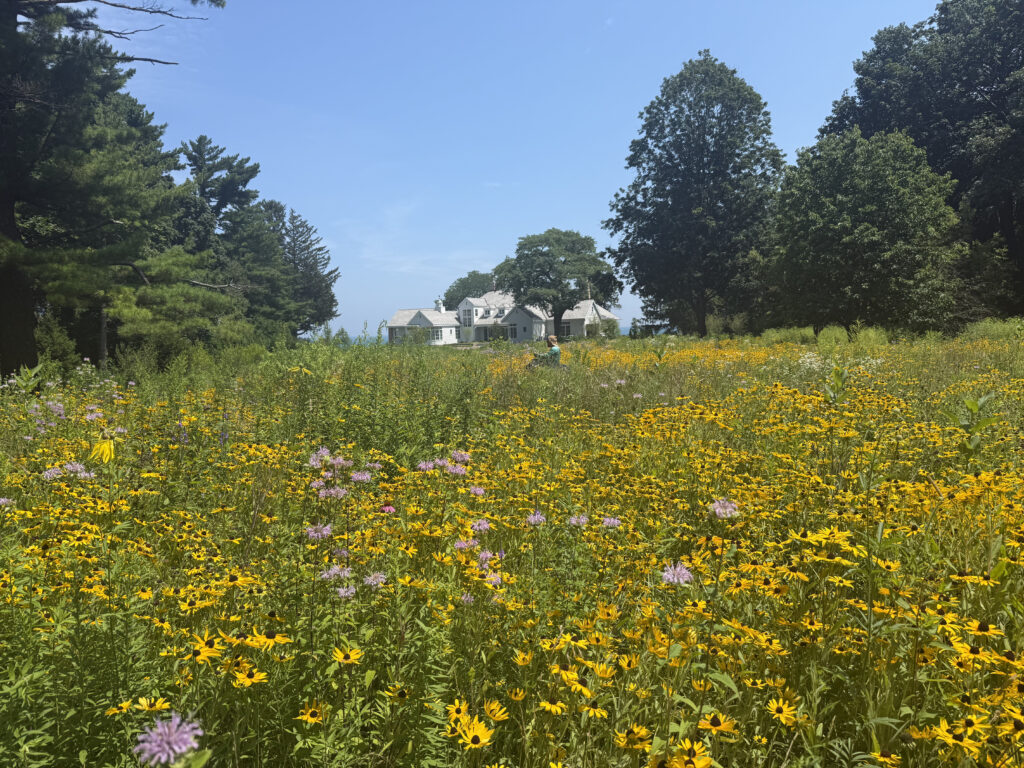
Most landscape designers hand you a pretty plan and disappear. Estates fail when nobody thinks past installation day. You need someone who understands phasing, knows which trees will dominate views in fifteen years, and prevents “low maintenance” plans from becoming full-time jobs. Too many properties become expensive mistakes because designers prioritize aesthetics over reality. This approach maps how you actually use the land, then builds master plans that phase intelligently and mature gracefully. No guessing about Lake County soil. No failed plant lists. Just honest design accounting for drainage, microclimates, and maintenance reality.
What Our Estate Landscape Design Services in Round Lake Actually Involves
Designing an estate isn’t scaled-up residential work. It’s a different animal entirely. Multiple ecologies, circulation systems, and experiential zones need to function independently while feeling unified. Miss that connection and the property looks like three designers had a fight.
Comprehensive Site Analysis
Estate design starts with extensive site investigation before any sketching begins. The process shares similarities with a comprehensive design consultation, but operates at a much larger scale. Drainage patterns during heavy rain get mapped—not just where it looks wet. Existing trees get evaluated for health, structure, and whether they’ll still frame views in twenty years. Soil composition varies wildly across large properties. What thrives near the house might struggle in the back forty.
Microclimates matter tremendously. That south-facing slope? Completely different planting palette than the shaded north side. Understanding how the property gets used reveals critical information. Daily walking routes, neglected areas, priority views from the house—these details shape every design decision.
Master Planning With Phasing Strategy
The master plan illustrates everything: entry sequences, garden rooms, major plantings, hardscape, and circulation. But here’s what separates useful plans from decorator drawings—realistic phasing strategy. Estates don’t get built in one season. They unfold over years, sometimes decades.
Smart phasing means each completed stage feels finished, not half-baked. Start with the arrival experience and main terrace. Next year, formal gardens. Then push outward to naturalized areas. Each phase builds on the last without obvious “we ran out of money” lines across the property.
Strategic Plant Selection
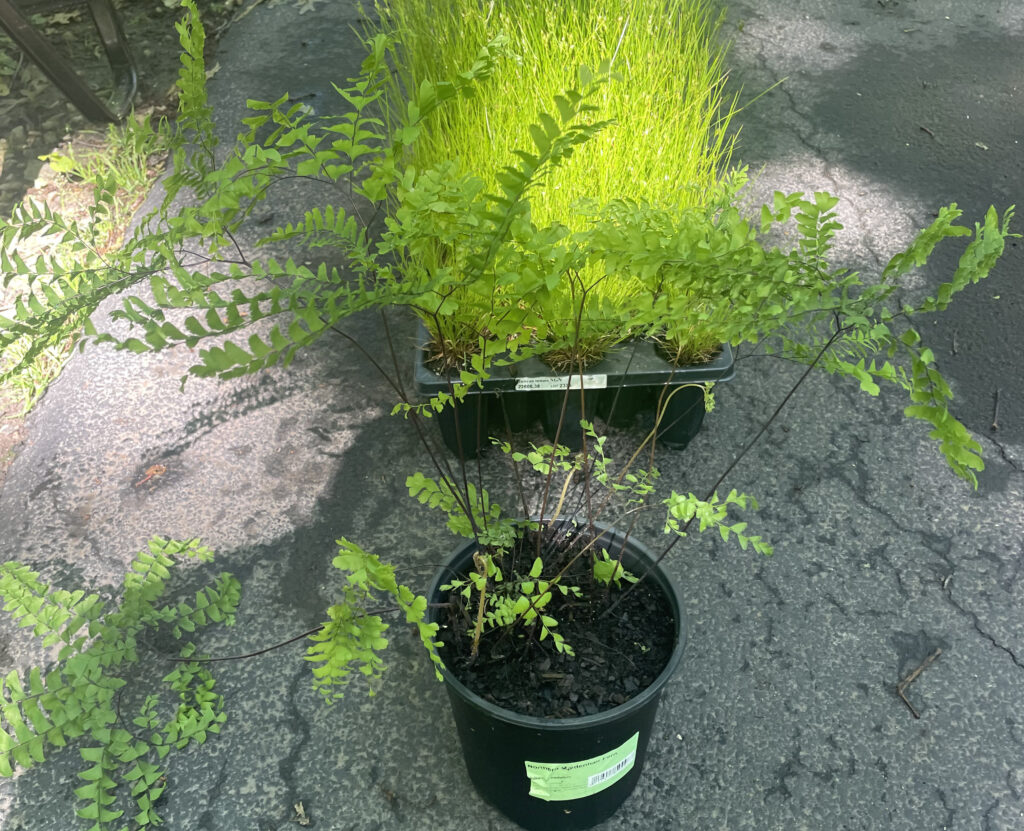
Tree placement might be the most critical decision in estate design. Plant a maple in the wrong spot and it’ll be cursed for fifty years. Strategic placement frames views, creates privacy, and establishes structure that outlives everything else. Species selection favors plants that handle brutal winters and temperamental summers without heroic intervention.
Foundation plantings anchor substantial architecture without swallowing it. Hedges define space and control views. Perennial beds add seasonal interest near high-traffic areas. Naturalized plantings in outlying zones should look effortless—which takes careful planning. Native species dominate the palette because they’re simply more reliable in Lake County conditions. The ecological benefits extend beyond the property line, supporting local bird populations and pollinators.
Hardscape That Creates Structure
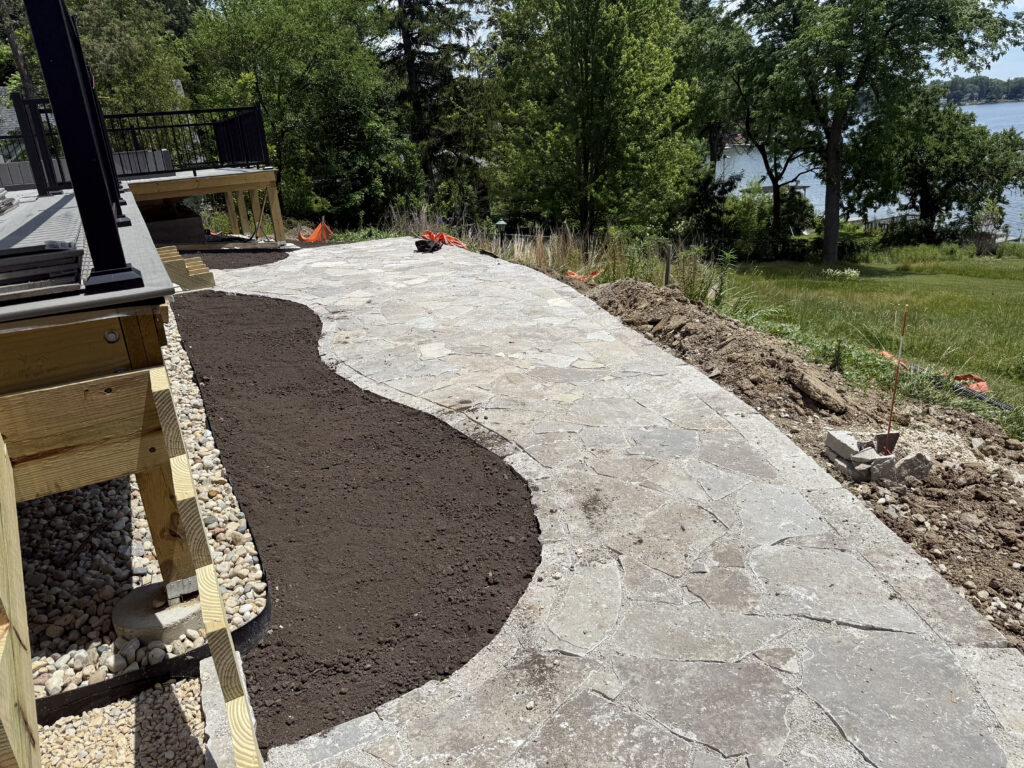
Paths, patios, walls, and terraces become the bones of estate landscapes. They’re not just functional—they create hierarchy and rhythm across large properties. Well-designed patios and terraces connect architecture to landscape. Stone walls define garden rooms without blocking views. Gravel paths invite exploration while managing foot traffic.
Material choices matter enormously. Local stone weathers beautifully and ties the design to regional character. Permeable paving handles drainage while looking refined. Details like step risers and wall caps separate professional work from amateur installations.
Integrated Drainage Solutions
Estates generate serious runoff. Large roofs, driveways, and paved areas concentrate water that needs managing. Strategic rain gardens, bioswales, and grading handle stormwater while enhancing the landscape. Done right, these features disappear into the design. Done wrong, erosion, foundation problems, and standing water become expensive headaches. Positioning rain gardens in the right locations turns drainage liabilities into landscape assets.
Complete Design Documentation
Master plan drawings illustrate the complete vision with accurate scale and detail. Planting plans specify every tree, shrub, and perennial—Latin names, quantities, spacing included. No guessing about what gets planted where. Grading and drainage plans show existing and proposed elevations with solutions for problem areas. Hardscape details cover paving patterns, wall construction, and material specifications. All plans follow professional landscape architecture standards to ensure contractor clarity and buildability.
These aren’t decorative drawings. They’re construction documents that contractors can bid from and build to. The deliverables provide a roadmap for phased implementation spanning multiple seasons or comprehensive installation all at once.
Why Estate Projects Require Different Expertise
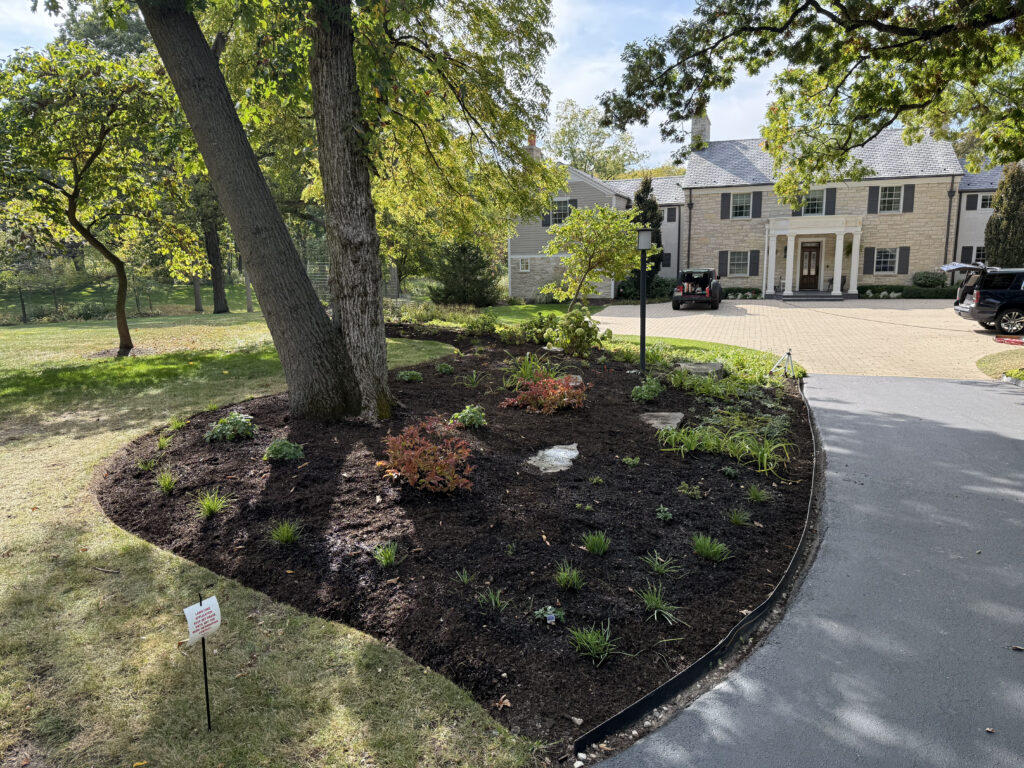
Estate landscapes demand perspective that extends beyond the immediate installation. Trees planted today define views for the next fifty years. Drainage solutions need to handle hundred-year storms, not just typical rainfall. Material choices affect maintenance costs and aesthetic cohesion decades down the line.
Working at this scale requires understanding regional ecology, construction logistics, and how large properties actually get used over time. Cookie-cutter approaches fail because every estate presents unique challenges—existing mature trees, varying topography, microclimates, access constraints, and the owner’s vision for how spaces should connect.
The difference between adequate estate design and exceptional work often comes down to details most people won’t notice. Grading that prevents erosion without looking engineered. Plant communities that support each other as they mature. Hardscape materials that age gracefully instead of looking dated in five years.
Start With a Site Visit
Estate design begins with understanding your property’s specific conditions and your goals for the land. A site visit allows for evaluation of existing features, discussion of how you use different areas, and assessment of opportunities most people overlook.
Whether you’re working with raw land, refining an existing landscape, or planning phased improvements over multiple years, the process starts with conversation.
Call (847) 546-7353 to discuss your estate landscape project. Serving Round Lake, Lake County, and throughout the greater Chicago region including Cook County and parts of Wisconsin.