Expert Ecological Preservation and Restoration in Round Lake, IL
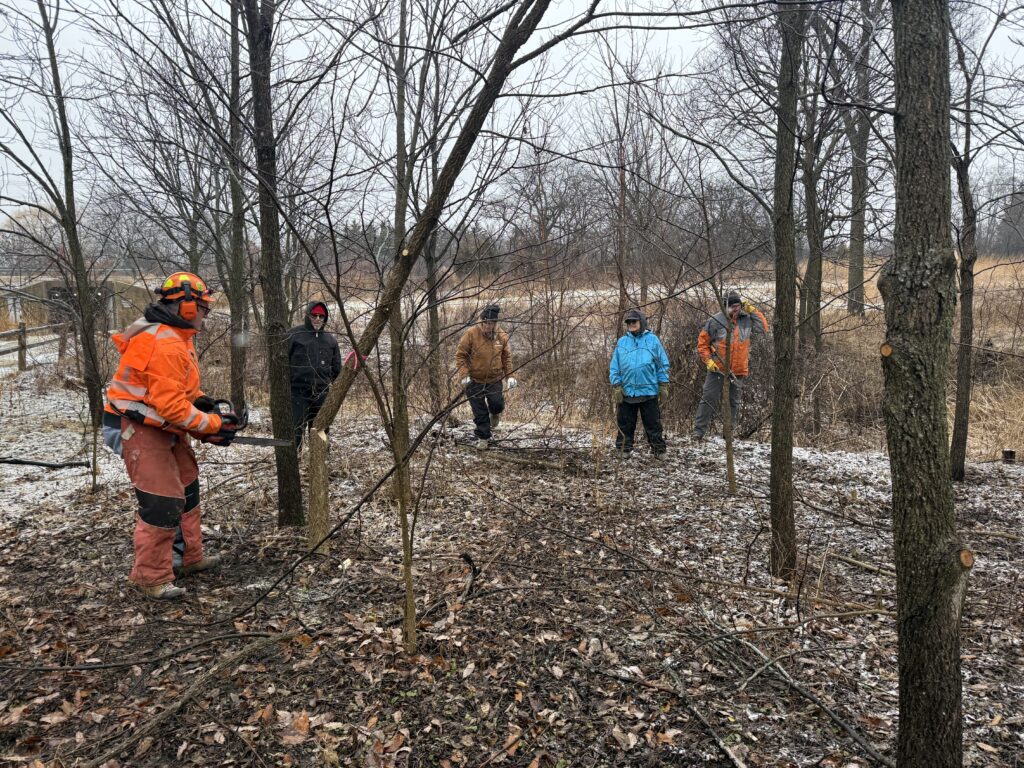
Ecological preservation and restoration in Round Lake assesses damaged ecosystems and creates plans bringing back natural functions. Development, farming, and invasive species destroy native habitats over decades. We evaluate what’s growing on properties now, research what belonged there historically, and design restoration approaches recreating healthy ecosystems. Plans address prairies, wetlands, woodlands, and savannas throughout the Chicago region. Professional assessment identifies degradation causes before planning fixes. Proper restoration reestablishes native plant communities and wildlife habitat functioning naturally long-term.
Assessing and Restoring Natural Areas
Understanding Current Site Conditions
Assessment starts by walking properties during different seasons documenting what’s actually growing there. Spring shows ephemeral wildflowers. Summer reveals dominant grasses and forbs. Fall displays seed heads and structural plants. Winter exposes site drainage and woody plant distribution. We identify every plant species noting whether they’re native or invasive. Invasive species dominance indicates severe degradation. Native plant remnants show what the site remembers. Soil testing reveals pH, nutrients, and drainage characteristics. Topography mapping shows water flow patterns and where moisture accumulates. This baseline documentation shows current conditions before planning any interventions. Some sites retain significant native plant populations. Others are completely overrun by invasives. Assessment determines how much native ecology survives versus how much needs rebuilding from scratch.
Researching Historical Ecosystem Conditions
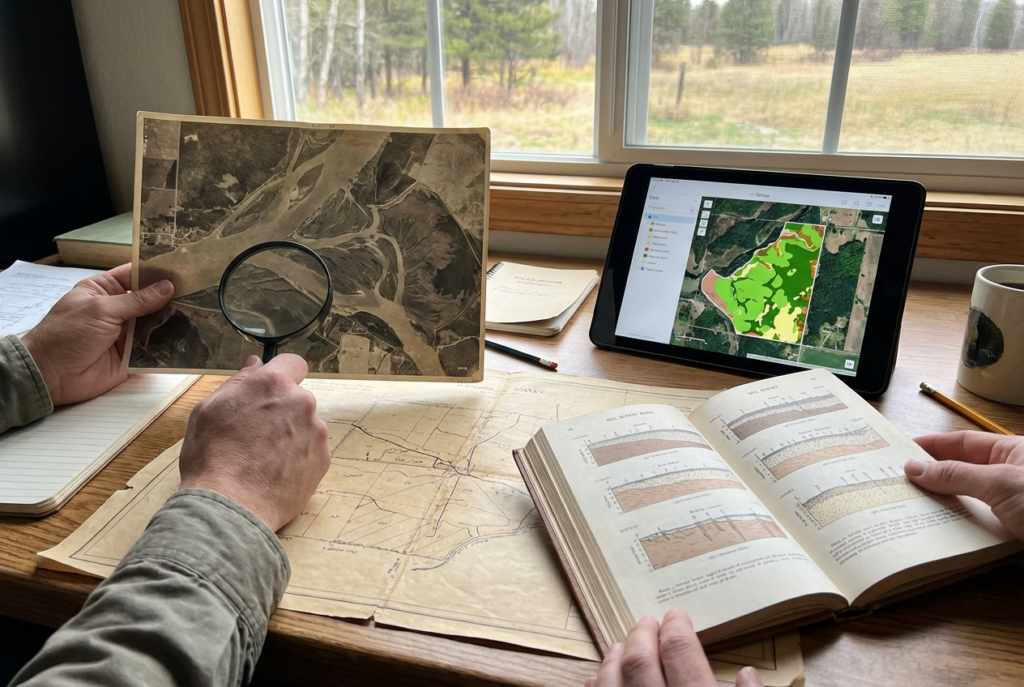
Understanding what grew on properties historically guides restoration planning. We research historical surveys, aerial photographs, and soil maps determining pre-settlement vegetation. Illinois had prairies, oak savannas, woodlands, and wetlands depending on topography and hydrology. Settlers plowed prairies. They stopped burning savannas. They drained wetlands. Development fragmented everything. Historical research reveals what ecosystem type belonged on properties before alteration. Providing ecological preservation and restoration in Round Lake means understanding that Lake County historically had diverse ecosystems—wet prairies in lowlands, oak savannas on uplands, sedge meadows in wetlands. Soil characteristics indicate historical vegetation even when current conditions show no native species. Clay soils supported different communities than sandy soils. Restoration plans recreate historically appropriate ecosystems rather than planting random native species that never belonged there.
Analyzing Degradation and Determining Causes
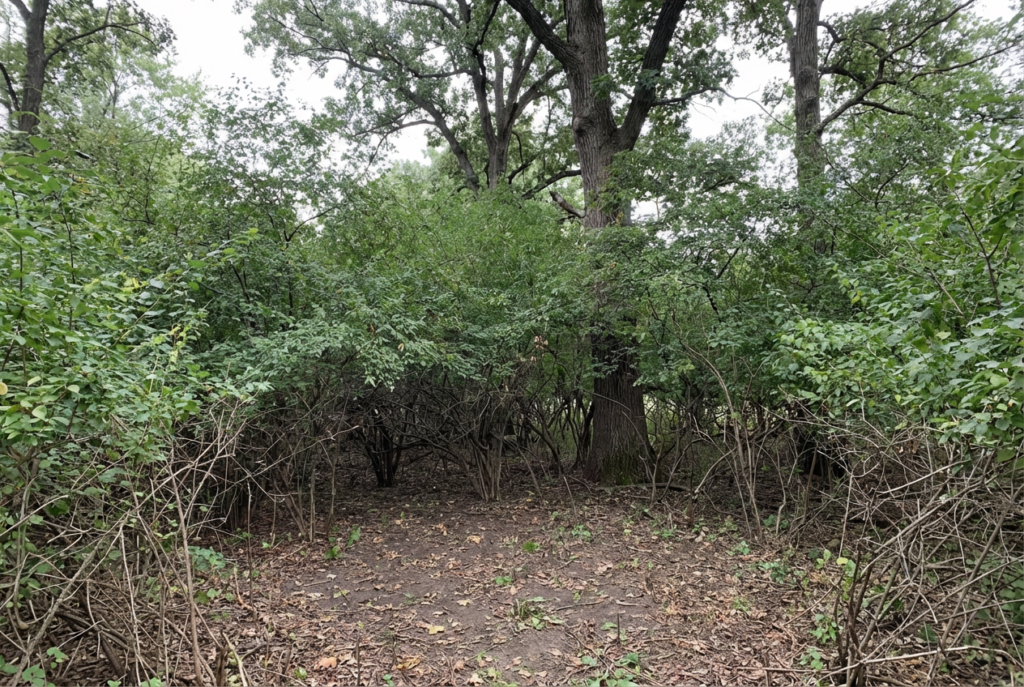
Degradation happens through identifiable processes. Invasive species outcompete natives. Fire suppression allows woody plants invading grasslands. Drainage alters wetland hydrology. Soil disturbance destroys seed banks. Each degradation cause needs specific restoration approaches. Sites degraded primarily by invasives need removal strategies. Areas affected by fire suppression need prescribed burn programs. Drained wetlands need hydrology restoration. We analyze what damaged ecosystems and how severely. Some sites need minor intervention—removing a few invasive species allows natives recovering naturally. Severely degraded sites need complete reconstruction—removing everything invasive, restoring proper hydrology or soil conditions, and reestablishing entire plant communities from seed or plugs. Assessment determines degradation severity guiding restoration intensity.
Creating Ecosystem-Specific Restoration Plans
Different ecosystem types need different restoration approaches. Prairie restoration requires seed mixes matching soil moisture—wet prairie species for lowlands, dry prairie species for uplands. Savanna restoration needs thinning trees recreating open canopy then establishing prairie groundcover. Woodland restoration involves removing invasive shrubs while maintaining canopy structure. Wetland restoration requires fixing hydrology before planting species tolerating fluctuating water levels. Our restoration approaches follow ecological restoration principles ensuring scientifically sound methods for ecosystem recovery. Plans specify appropriate plant communities, installation methods, and management strategies for each ecosystem type. We don’t use generic approaches. Wet mesic prairie needs different species and management than dry sand prairie. Oak savanna restoration differs completely from maple-basswood woodland restoration. Shoreline and aquatic edge ecosystems require specialized shoreline restoration planning addressing wave action, fluctuating water levels, and bioengineering techniques. Plans match restoration methods to specific ecosystem types based on site conditions and historical vegetation.
Multi-Year Restoration Planning
Ecological restoration takes years not months. Year one typically involves invasive species removal preparing sites for planting. Year two focuses on establishing native species through seeding or planting. Years three through five require ongoing management controlling invasive resurgence while natives establish. Some projects need prescribed burning. Others need continued herbicide treatment. Most need both. Plans outline multi-year timelines showing what happens each year. Property owners and managers need understanding restoration as long-term process. Expecting instant results guarantees disappointment. Well-planned restoration shows steady progress—invasives declining, natives increasing, ecosystem functions improving. Plans provide realistic timelines based on degradation severity and restoration methods.
Working with Municipalities and Conservation Groups
Most ecological restoration work involves public agencies and conservation organizations managing natural areas. Park districts restore preserves. Municipalities manage conservation lands. Land trusts protect ecological areas. Private homeowners restore residential properties. Each client type has different goals and constraints. Park districts need plans addressing public access and safety. Municipalities require budget considerations and maintenance capabilities. Conservation groups focus on ecological quality and species protection. We tailor restoration plans to client needs and capabilities. Plans for hundred-acre park district preserves differ from plans for five-acre residential properties. Large projects need phased implementation spreading costs over multiple years. Small projects might complete in single seasons. Our environmental consulting services throughout the Chicago region address diverse restoration needs across property types and ownership structures.
Long-Term Stewardship and Management Planning
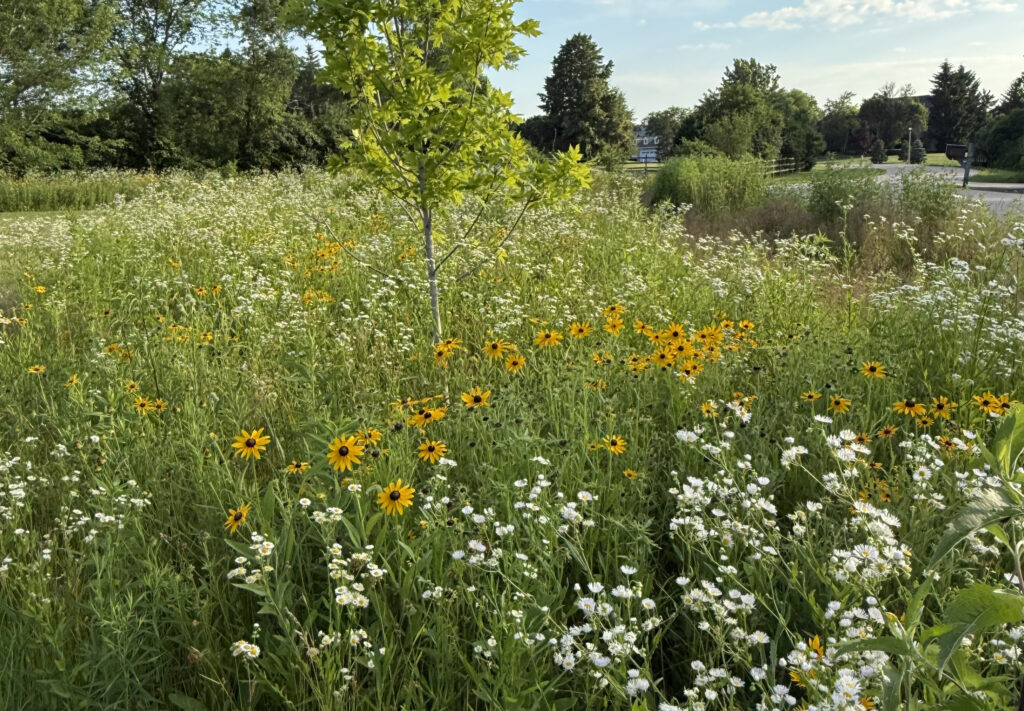
Restoration success requires ongoing stewardship after initial implementation. Invasive species return from seed banks or neighboring properties. Native plants need time establishing without competition. Ecosystems need disturbance—prescribed burning for prairies and savannas, selective management for woodlands. Stewardship plans outline long-term management ensuring restored areas maintain ecological quality. This includes prescribed burn schedules, invasive species monitoring, and adaptive management responding to changing conditions. Some restored prairies need burning every 2-3 years. Others need annual burns initially then less frequent burning as natives dominate. Plans provide management guidance for decades ensuring restoration investments don’t deteriorate from neglect after installation completes.
Nature Doesn’t Fix Itself Anymore
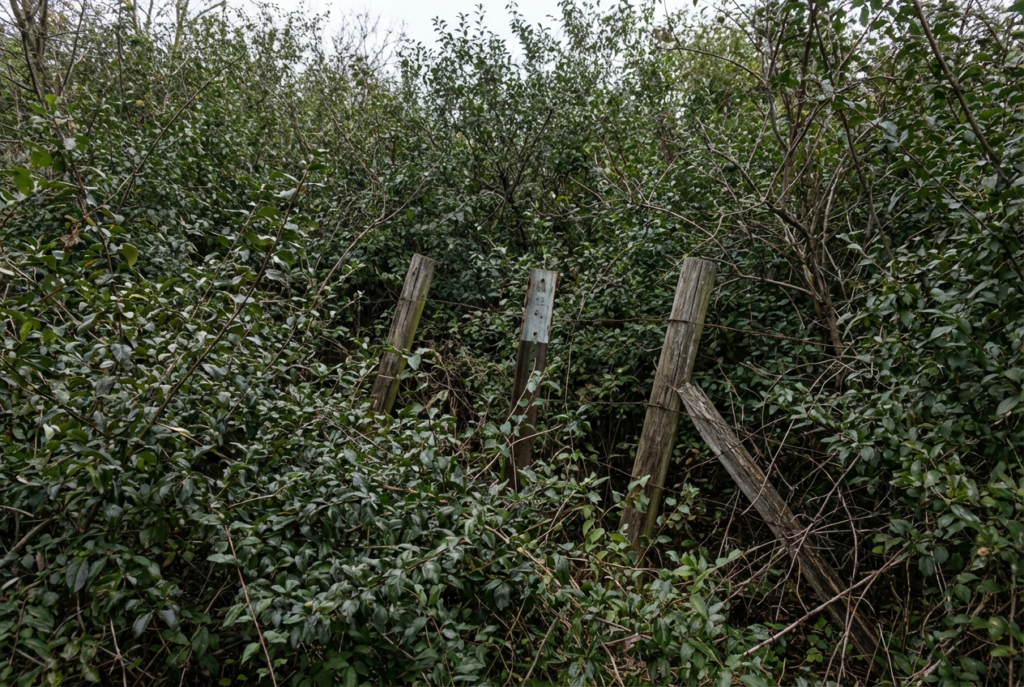
People assume if they stop mowing or leave land alone, native plants will return naturally. That worked before the 1800s. It doesn’t work now. Invasive species got here. Fire got stopped. Hydrology got changed. The conditions allowing natural recovery disappeared. Leaving degraded land alone just means invasives take over completely. Buckthorn forests replace oak savannas. Reed canary grass replaces sedge meadows. Canada thistle replaces prairie. We’ve assessed hundreds of properties where owners waited decades hoping native vegetation would recover naturally. It never happened. The properties that recovered were ones where someone actively removed invasives, restored proper conditions, and reestablished native species following ecosystem-specific plans. Nature needs help now. Waiting means choosing permanent degradation.
Amateur Restoration Attempts Waste Money and Time
Throwing native plant seeds on degraded ground doesn’t create restoration. Neither does planting random native species without understanding site conditions or historical ecosystems. We’ve assessed dozens of failed restoration attempts throughout the region. Someone scattered prairie seed on compacted soil with 90% invasive cover. Nothing established. Someone planted wetland species on dry uplands. Everything died. Someone planted expensive native plugs then never controlled invasives that smothered them within a season. These failures share one problem—no professional assessment or planning before spending money. Failed restoration wastes thousands of dollars and years of time while invasives keep spreading. Professional ecological planning costs less than repeated amateur attempts that never work.
Get Professional Restoration Planning
Degraded ecosystems don’t recover without intervention. Get a restoration plan based on actual ecology.
Call (847) 546-7353 for ecological restoration planning in Round Lake, Illinois, and Southern Wisconsin.