Environmental Consulting Services in Grayslake IL and Lake County
We’ve been doing environmental consulting work around Lake County since the late 1990s, primarily for municipalities, park districts, land trusts, and conservation organizations. This goes beyond landscape design for homeowners—it’s ecological restoration planning, habitat assessments, and long-term land management for clients trying to restore or preserve natural areas.
Most of our consulting work involves creating restoration plans for prairies, wetlands, oak savannas, woodlands and shorelines. We assess existing conditions, figure out what it should be based on a site’s ecological history, and develop plans to get from one to the other. We also conduct prescribed burns by permit, perform invasive species control, and do ongoing monitoring to make sure restoration efforts are actually working.
Our clients need someone who understands Illinois ecosystems and how to restore them properly—not just someone who can plant native species but actually knows the difference between a mesic prairie and a wet prairie, and why that matters. After three decades working on these projects, we know what restoration techniques work in this region and which ones sound good on paper but fail in practice.
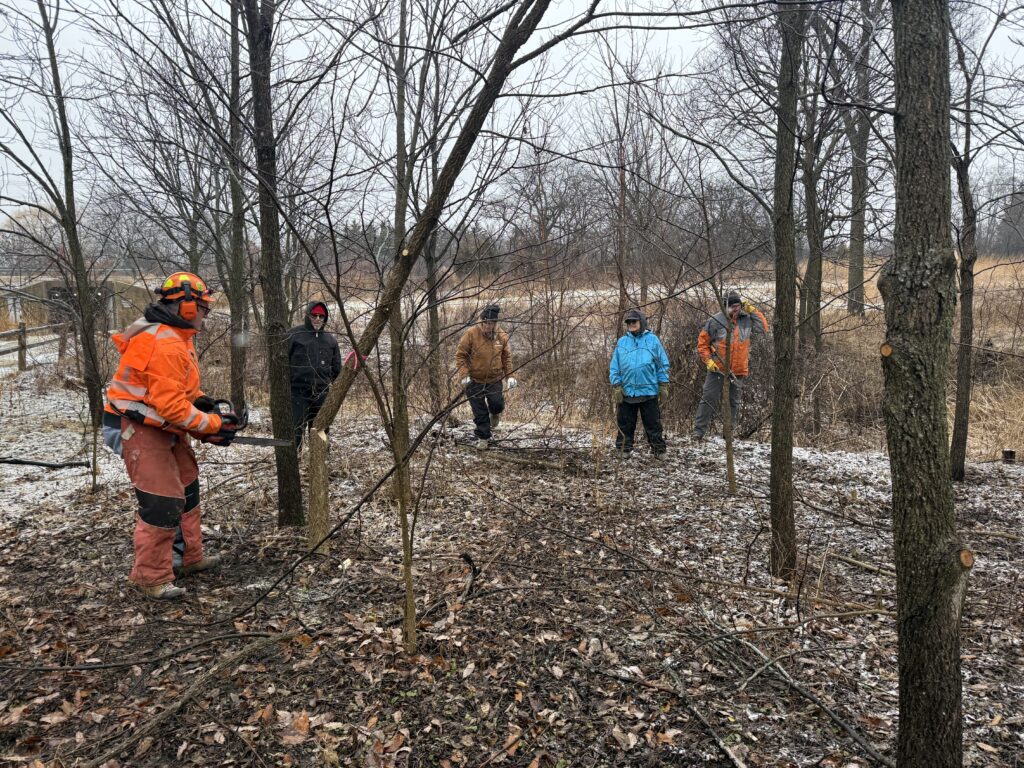
We assess natural areas in the Chicago region and southern Wisconsin and create plans to restore ecosystems damaged by development, farming, or invasive species. This means walking the property, seeing what’s actually growing there now, and researching what the land looked like decades ago before everything changed. Then we develop a plan to bring back ecological functions. We work with park districts, local municipalities, conservation groups and private clients on projects ranging from small preserves to several hundred acres. After 30 years working in this region, we’ve learned that good restoration isn’t just about planting native species—it’s about understanding how Illinois ecosystems actually work and setting up conditions where native plants and wildlife can thrive.
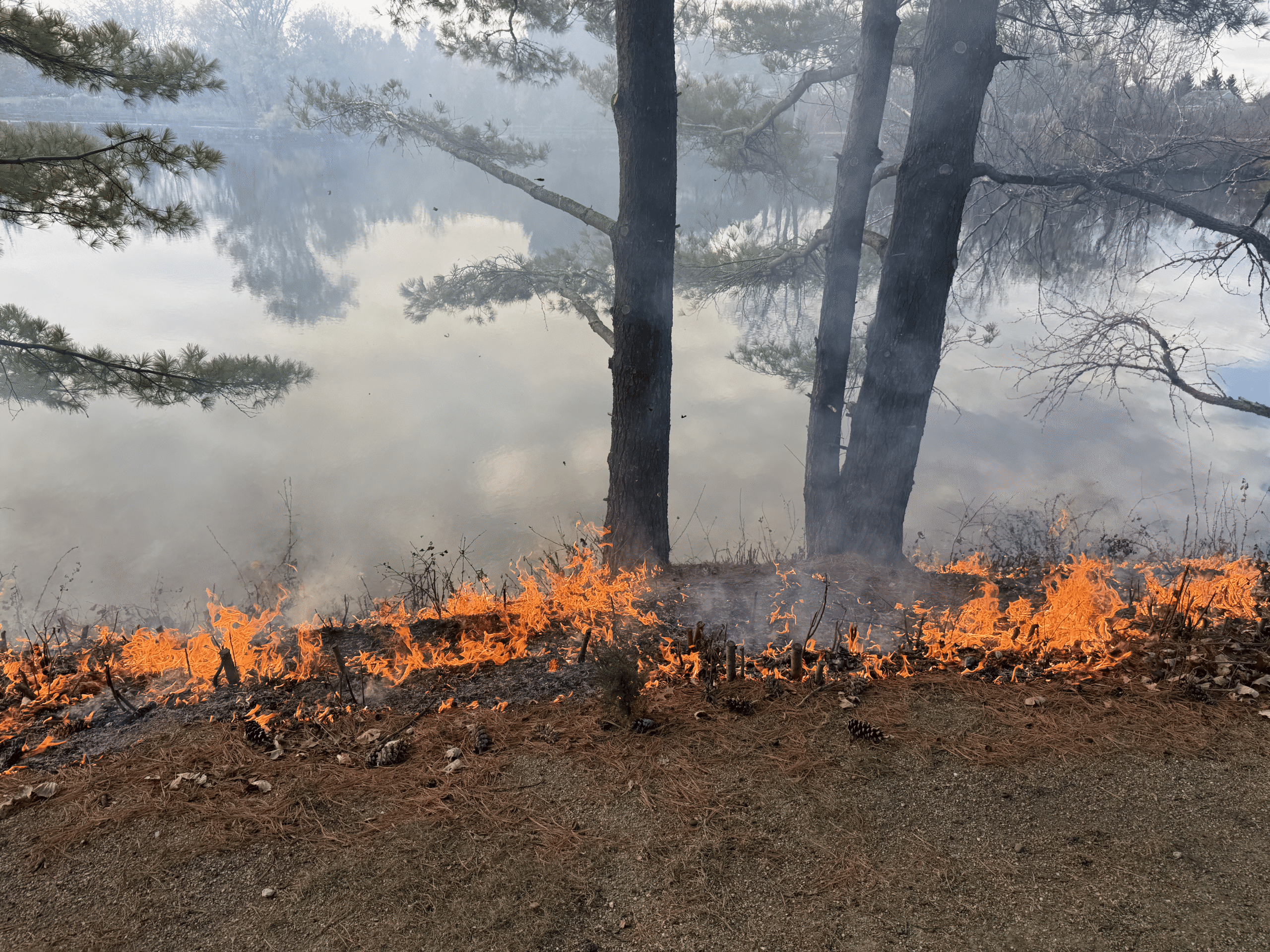
Prescribed burns are professionally conducted fires used to manage prairies, savannas, wetlands, and woodlands throughout the Chicago region. Fire does what nothing else can—it kills invasive shrubs and small trees, clears out years of dead plant material, and triggers native seeds that won’t germinate any other way. We’ve been planning and executing burns for park districts and conservation groups since the late 1990s, back when most people thought this activity was crazy for intentionally lighting prairies on fire. The work involves more than just showing up with a drip torch. We handle state and local permits, coordinate with emergency responders, notify neighbors, cut firebreaks, watch weather forecasts carefully, and time burns based on wind, humidity, and what we’re trying to accomplish. You get one chance per year when conditions line up right, usually early spring or late fall, and if you miss it or do it wrong, you’re waiting another year to try again.
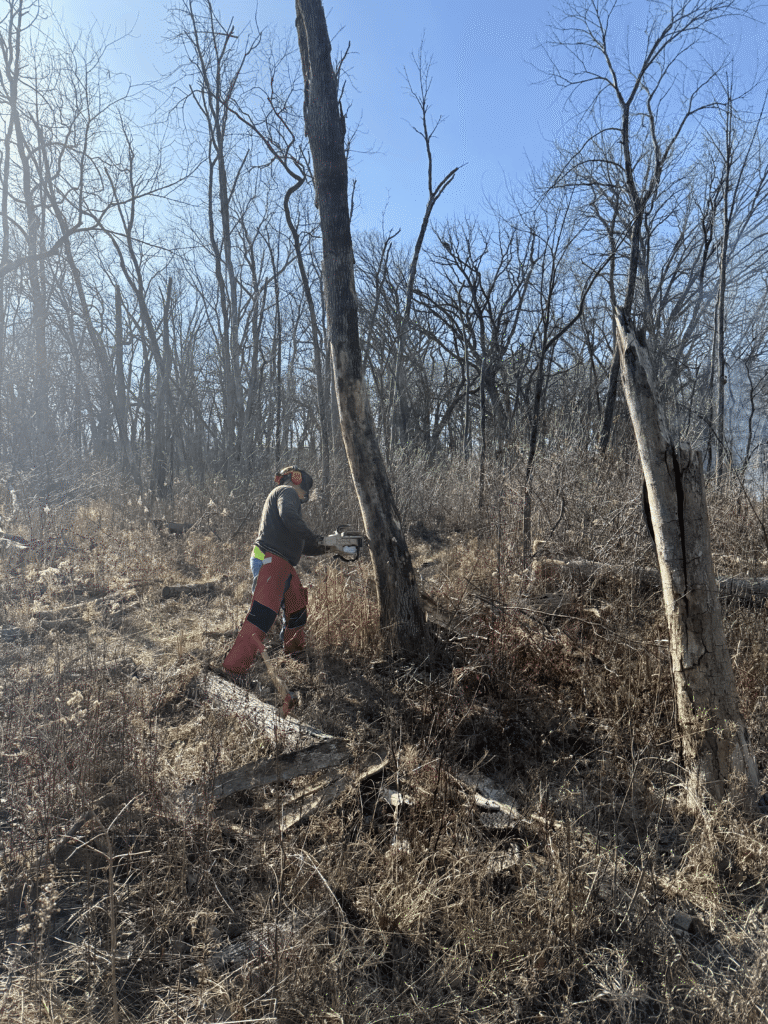
Oak savannas and woodlands used to cover northern Illinois but have mostly disappeared in the last century because we stopped letting them burn or they were replaced by development or farms. Without fire, invasive shrubs move in and woodlands get too dense. We restore savannas and woodlands by clearing invasive species, bringing fire back, and thinning trees to recreate the more open, park-like structure that used to define these landscapes. This means years of cutting buckthorn and honeysuckle that have completely taken over, chainsawing trees to open the canopy back up, and burning on a routine cycle until native grasses and wildflowers can finally outcompete what’s been choking them out. We work with municipalities and land trusts around on sites where mature oaks are still standing but everything underneath is wrong. It’s slow, repetitive work—you’re not fixing decades of degradation in one season.
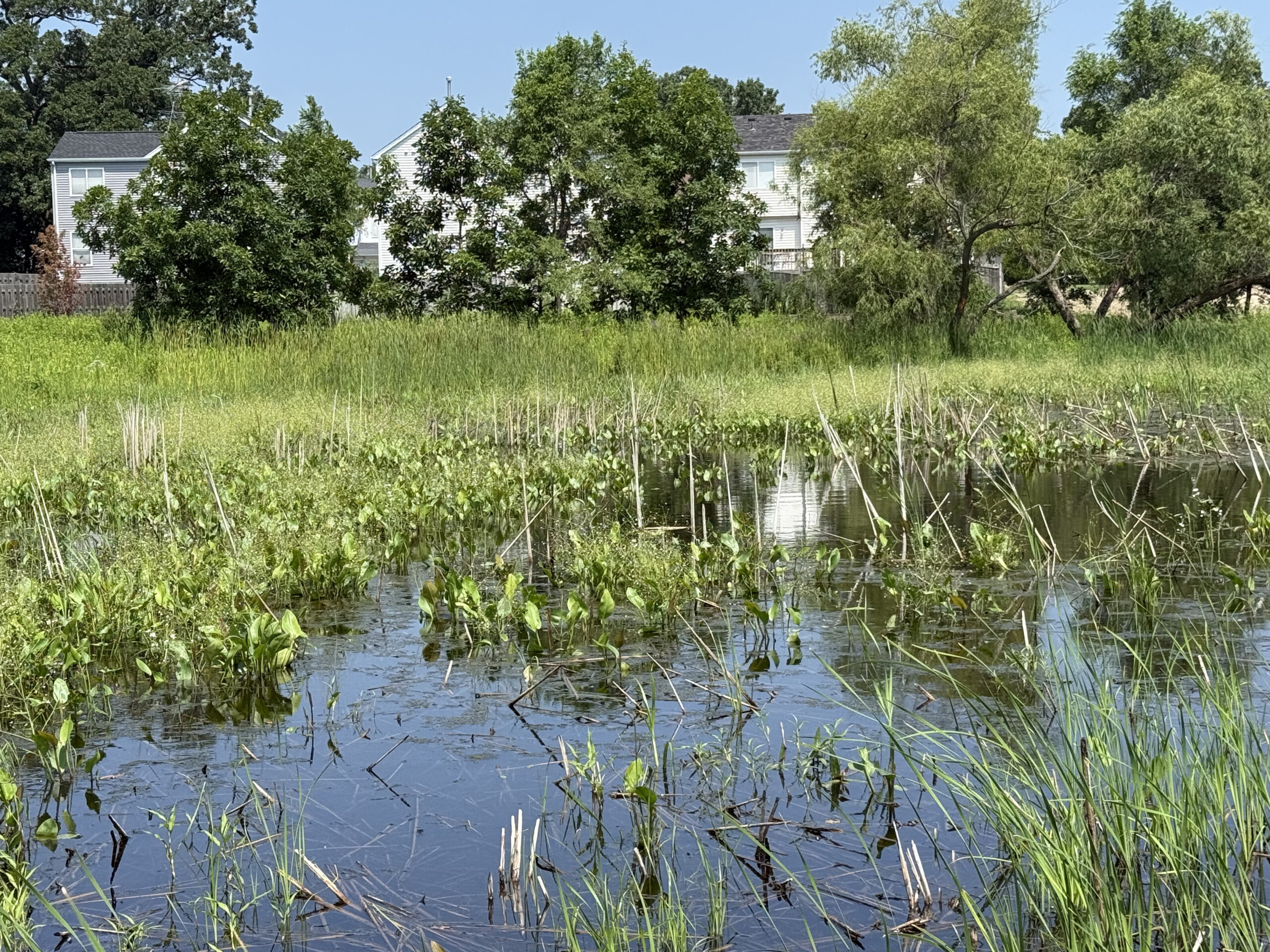
Wetland restoration brings back wetland ecosystems that have been drained, filled, or degraded by farming and development. We work with municipalities and conservation groups around Lake County to restore hydrology, clear out invasive species like cattails and reed canary grass, and get native wetland plants reestablished. This usually means restoring natural water flow, reshaping the land to create proper wetland topography, and planting species that match different moisture levels—from wet prairie plants that can sit in water part of the year to deeper water species. Wetland restoration lives or dies on getting the hydrology right first. A stewardship or management plan is crafted to sustain plantings over time; otherwise, invasives just move back in.
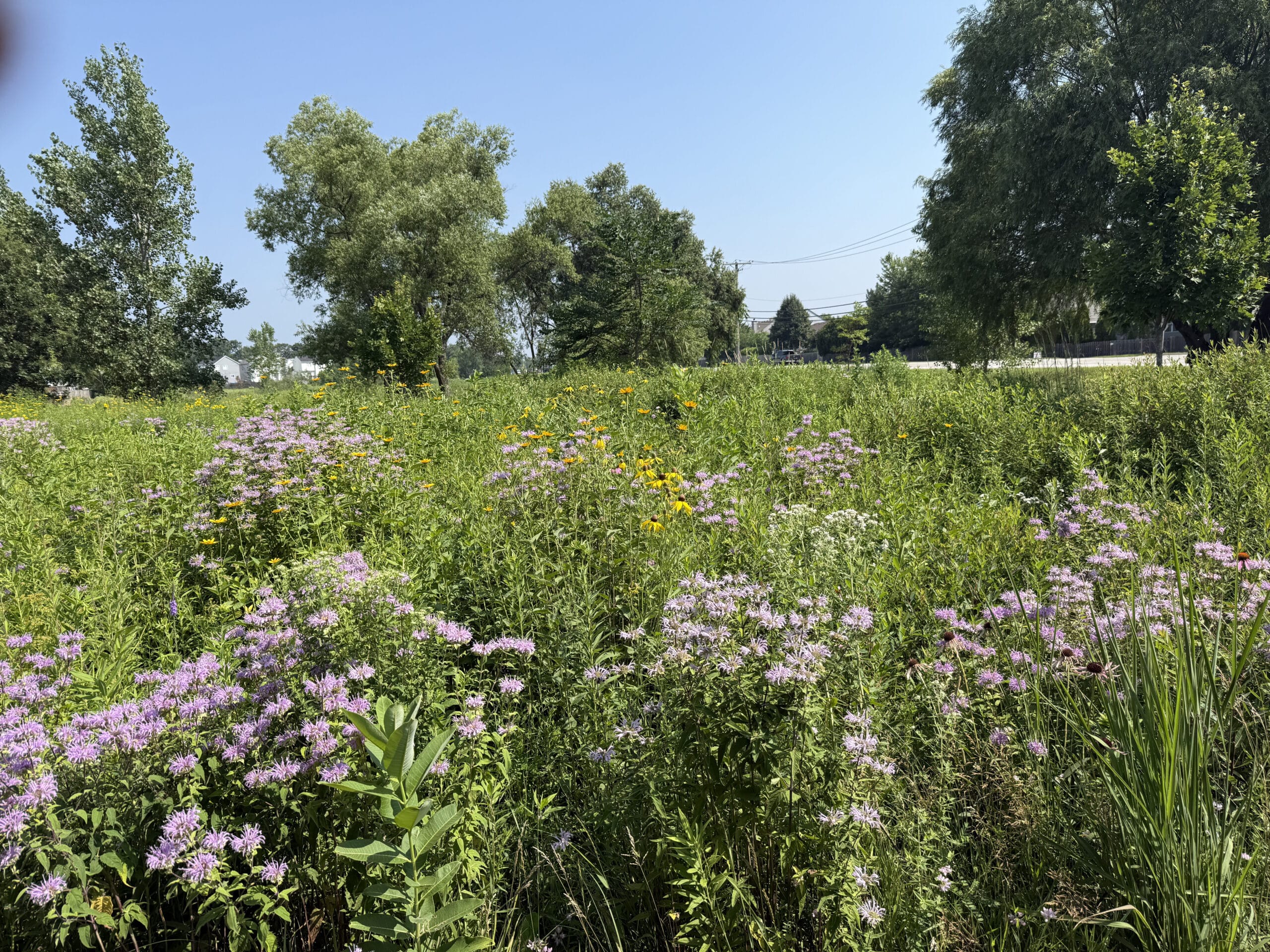
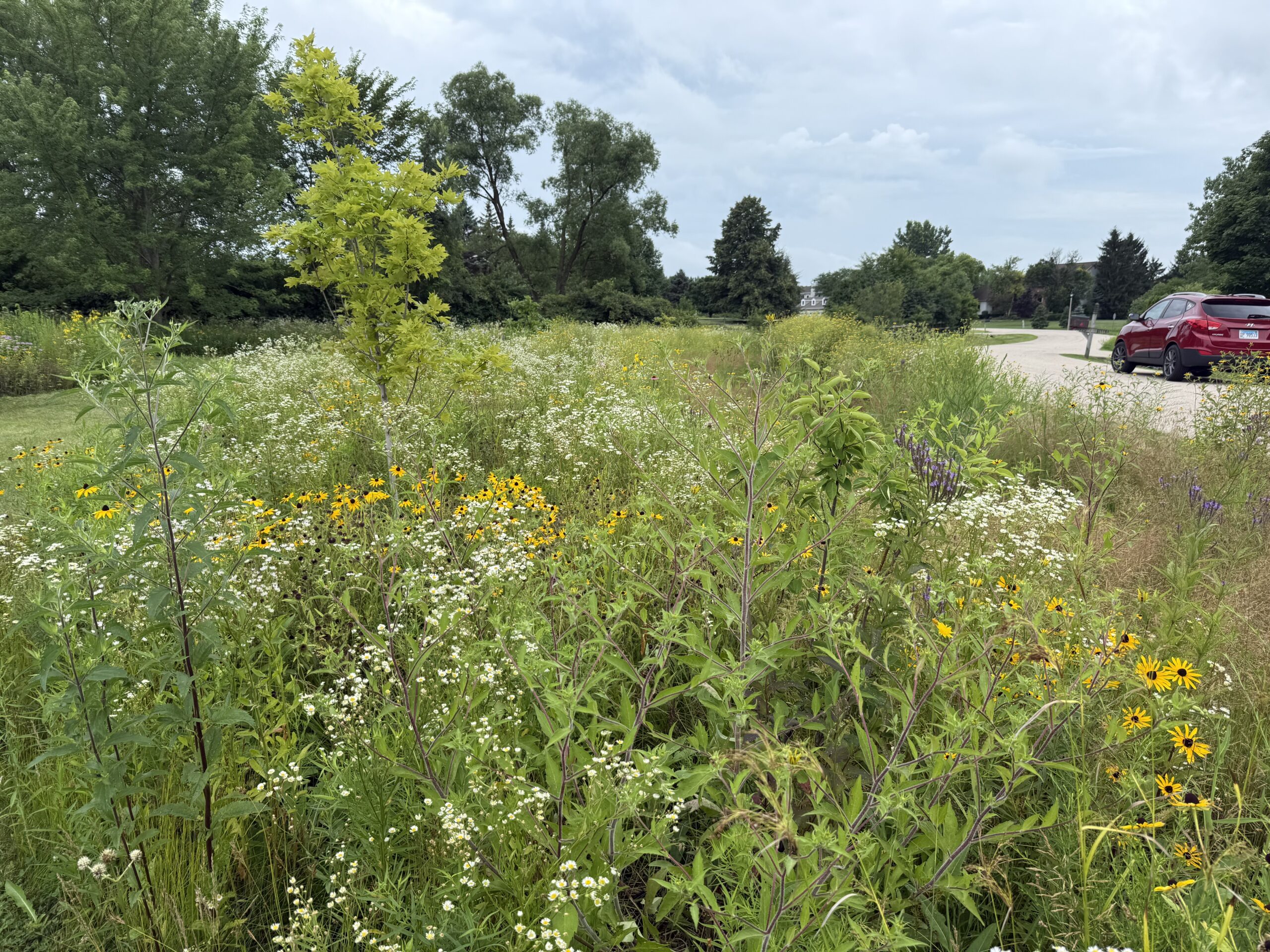
Prairie restoration brings back native grasslands that covered Illinois and the Midwest from Canada to Mexico before settlers plowed most everything under. We work with public and private clients around the Chicago region, restoring prairies on old farmland and degraded sites. After 30 years, we’ve learned that the biggest mistake people make is treating all prairies exactly the same. Wet prairie, mesic prairie, dry prairie—they need different plant species based on soil and moisture. Real prairies from seed take three to five years before dense establishment, and clients need to understand that upfront and not lose patience.
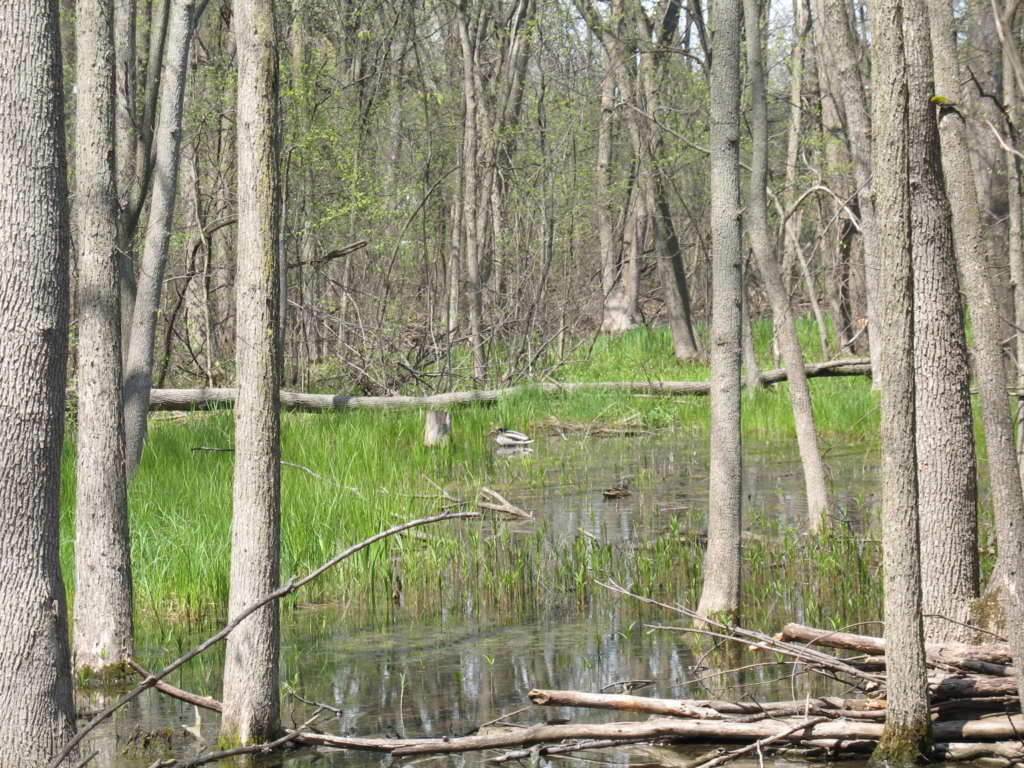
Vernal ponds are seasonal wetlands that fill with water in spring and dry out by summer, providing critical breeding habitat for amphibians like salamanders and frogs. We restore vernal ponds that have been filled in, drained, or degraded by development This involves restoring proper hydrology so the pond holds water during breeding season but dries out enough to prevent fish from establishing, removing invasive plants, and creating the right depth variations amphibians need. After 30 years, we’ve learned that vernal pond restoration is tricky because you’re managing for something that’s supposed to be temporary. Get the timing wrong—pond dries too early or holds water too long—and you’ve created habitat that doesn’t work for the species that depend on it such as the Blue-Spotted Salamander.
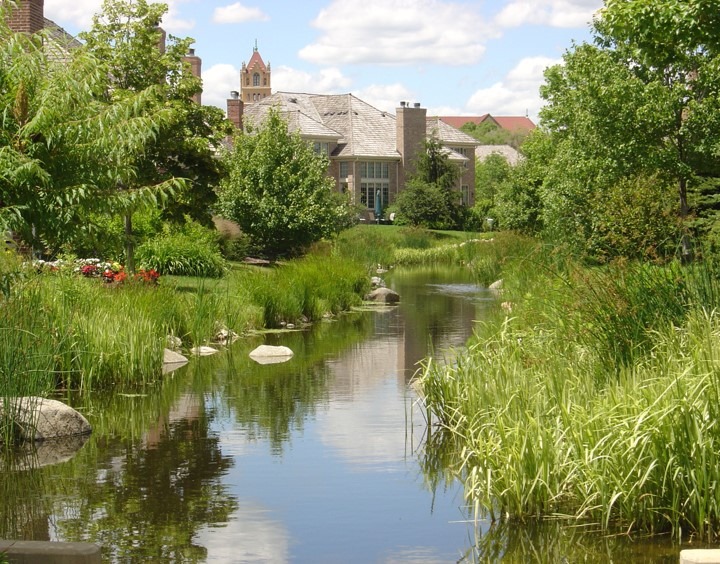
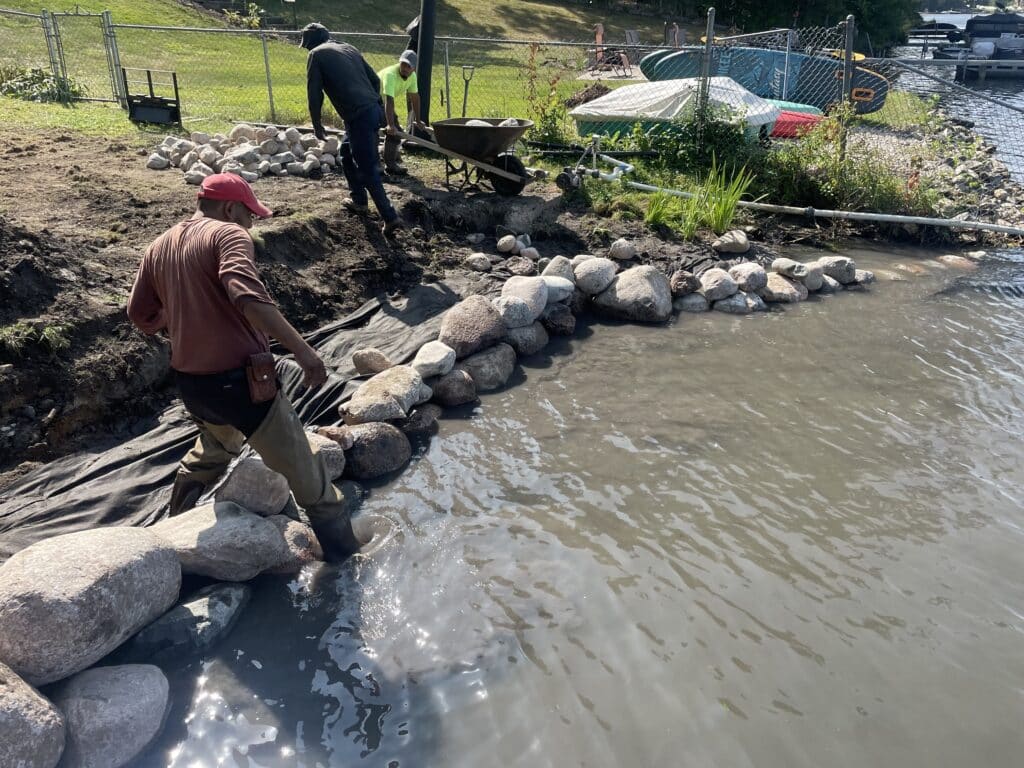
Shoreline restoration planning involves assessing eroding lakefront properties and developing plans to stabilize them using native plants and bioengineering instead of rip-rap or seawalls. We work with public and private clients around the Chicago Region dealing with erosion from wave action, fluctuating water levels and runoff. The planning process includes evaluating soil, understanding water movement during storms, selecting native plants with deep root systems, and determining if bioengineering materials are needed, such as erosion control blankets and coconut-fiber coir logsAfter several decades of doing erosion control work, successful projects depend on correct plant selection and materials for plant establishment taking into account wave energy and water level changes.
Swale, creek, and river restoration plans address waterways that have been straightened, eroded, or degraded by development. We work with public and private clients around the Chicago region, developing plans to restore natural stream function and reconnect waterways to their floodplains. This means walking the site during different seasons, understanding where water goes during heavy storms versus normal flow, and figuring out what the stream looked like before someone decided to turn it into a ditch. After 30 years doing this work, we’ve learned that most stream problems come from trying to control water instead of letting it move naturally. You can’t just stabilize one eroding bank and call it fixed.
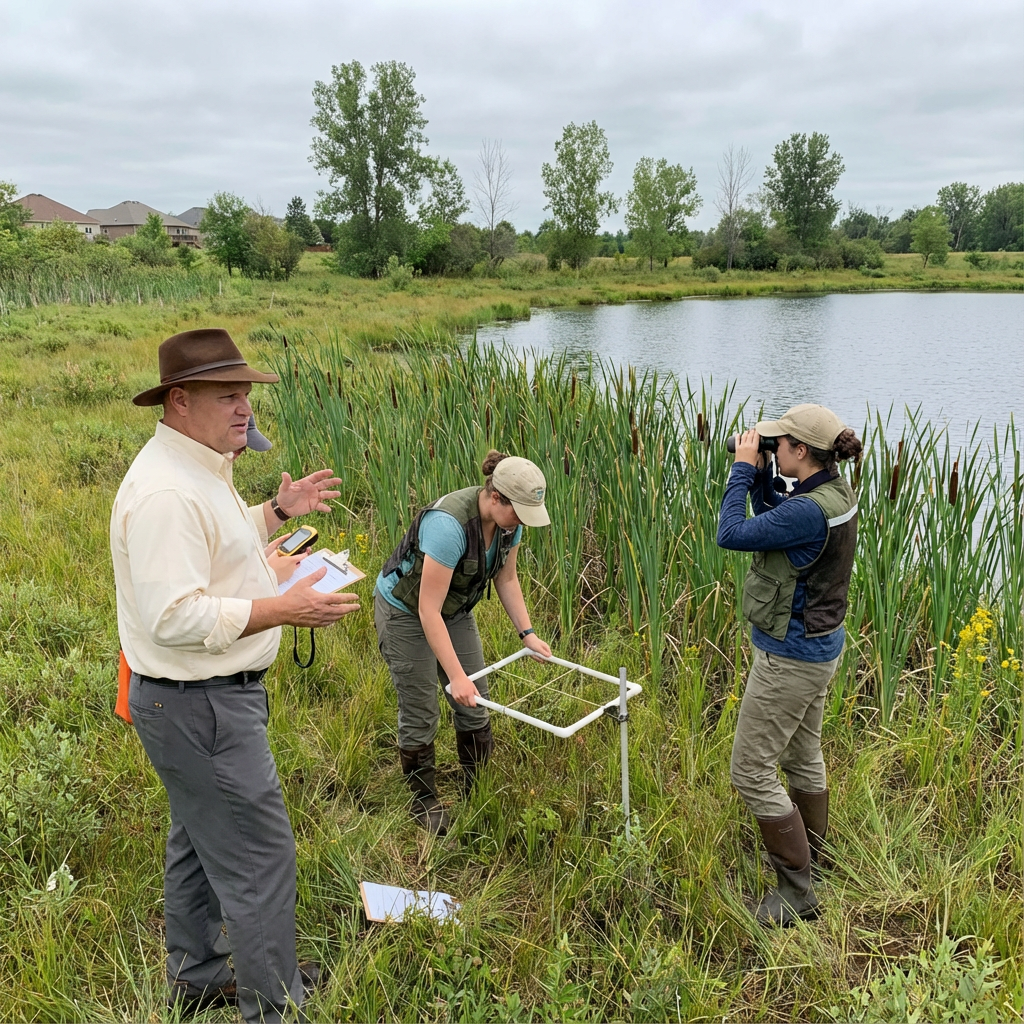
Habitat and vegetation assessments document actual growing conditions on a site and whether the ecosystem is functioning or falling apart. We work with public and private clients around the Chicago region assessing sites prior to restoration activities or for management planning. This means walking the property in different seasons, identifying plant species native and non-native, and mapping where native plants are holding on versus where invasives have taken over. After 30 years, we can assess a site to gauge the level of restoration work and assess feasibility. These assessments tell clients what they’re actually dealing with, not what they hope is there.
Stormwater management and drainage solutions fix runoff problems on city and business properties around the Chicago region. We create plans using native plants, bioswales, and rain gardens instead of just burying pipes everywhere. After three decades of watching stormwater projects fail, we’ve learned the biggest mistake is trying to move water off a site as fast as possible. That just pushes your problem onto someone else’s property or floods the street downstream. We study how water actually flows during heavy storms, find where it’s causing trouble, and design solutions that slow it down and clean it naturally. Good stormwater management works with water instead of trying to make it disappear.
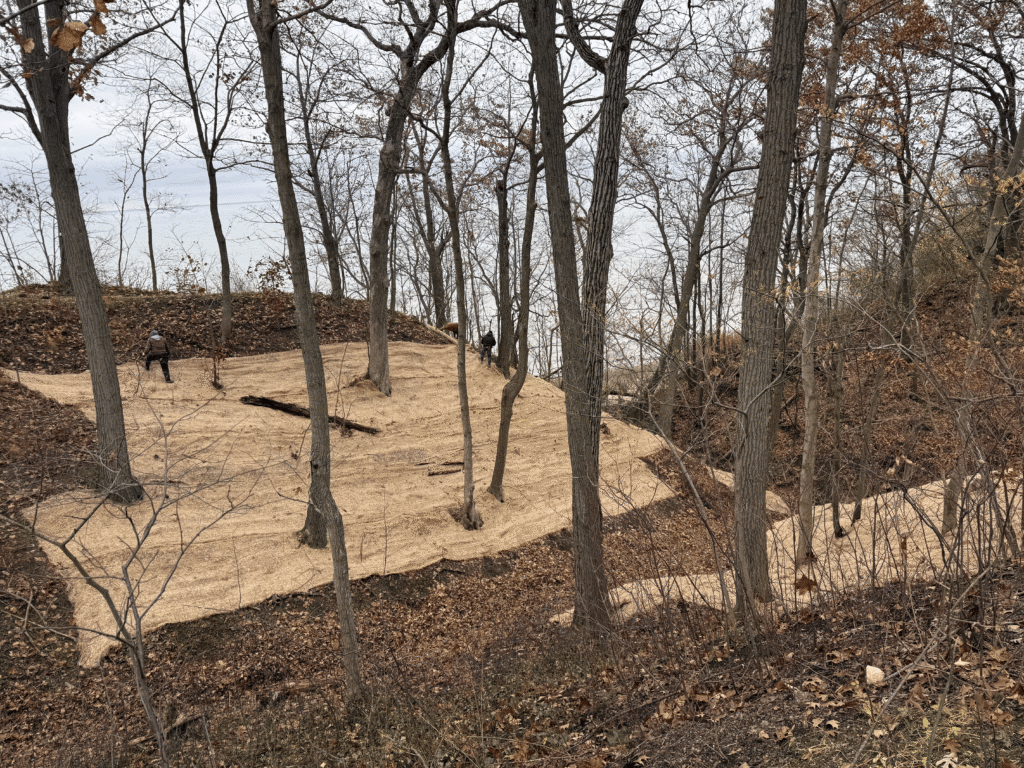
Stabilizing Lake Michigan ravines and bluffs is specialized erosion-control work that requires an understanding of shoreline hydrology, native plant species adapted to challenging conditions, and bioengineering techniques. We handle everything from slope stabilization to installing native plantings that prevent further erosion while creating natural habitat. After 30+ years working in this region, we know what works on these steep, sandy slopes. We recently completed a season-long bluff restoration project in Highland Park.
Why Choose Eubanks Environmental For Environmental Consulting Services in Grayslake?
We've Been Doing This Work Since The Early 1990s
We started doing ecological restoration consulting in Lake County when most people didn’t know what a prairie was or why it mattered. After 30 years working with municipalities, park districts, and land trusts, we understand how restoration projects actually get funded, permitted, and implemented in this region. We know which approaches work with local regulations and which ones create problems down the road.
We Know Illinois Ecosystems
A lot of consultants can write a restoration plan, but they’re working from textbooks instead of experience. We’ve been restoring prairies, wetlands, oak savannas, and shorelines in northern Illinois for three decades. We know the difference between plant communities that look similar but need completely different management. We understand how these ecosystems functioned historically and what it actually takes to bring them back.
We Focus On What's Realistic
A lot of consultants can write a restoration plan, but they’re working from textbooks instead of experience. We’ve been restoring prairies, wetlands, oak savannas, and shorelines in northern Illinois for three decades. Our work aligns with restoration initiatives happening throughout the Great Lakes region,¹ and we understand both the ecological science and the regulatory frameworks that govern these projects. We know the difference between plant communities that look similar but need completely different management, and we understand how these ecosystems functioned historically and what it actually takes to bring them back.
Contact Us Today!
Contact UsReady To Discuss Your Environmental Consulting Project?
We’ve been providing environmental consulting services to municipalities, park districts, and conservation organizations around Lake County for over 30 years. Contact us to discuss your restoration planning, habitat assessment, or land management needs.
Call (847) 456-5604 or email eubanksinc@gmail.com.